noviembre 6, 2026 — No Comments

Neutral Tone Cashmere The Row Tan Tote

How to Pick Your First The Row Handbag

This purchase is usually approached from the wrong end. The silhouette arrives first, seen in photographs, the price second, and the second-guessing third. The sequence that saves money is budget, then carrying habits, then material, then the name. With observed 2026 market prices running between $590 for a Double Travel Wallet and $6,900 for the Marco Bag, the model belongs at the end of the process. Read every figure as an observed market price from September 2026, not as an official list, which the house has never published. The scope here is bags only, and it assumes you plan to carry the thing rather than shelve it.

Begin With a Price Band, Not a Model

Three observed price bands carve up the range, and settling on yours saves weeks of scrolling. The entry band ran roughly $590 to $1,500 in 2026 and holds more genuinely usable row handbags than most people expect. The totes, the small shoulder bags and most of the crossbody line fill the middle band at roughly $1,550 to $3,500. The Margaux family, the India and Agnes top-handles and the large Marlo and Alger totes make up the top band, roughly $3,600 to $6,900. Construction language and hardware finish remain identical band to band, so nothing lower down reads as a lesser version of what sits above it. Once the band is fixed, dozens of models reduce to a handful.

  • Entry tier, about $590 to $1,500: Double Travel Wallet $590, Boone Tote $900, Cecily Mini Tote $950, Sally $1,000, N/S Park Crossbody $1,290, Half Moon $1,390, Idaho $1,420
  • Middle, the row fashion suede tote bags about $1,550 to $3,500: Park totes in all sizes, Bourse Clutch $1,590, Alix $1,900, Marcel from $2,300, Parker from $2,900
  • Top, about $3,600 to $6,900: Soft Margaux 10 $3,650, Marlo Tote $4,300, Agnes 12 $4,400, Alger Tote $4,900, Iowa Duffle $5,180, Marco Bag $6,900

Let Your Carrying Habits Decide

Once the band is set, the useful question is what goes inside the bag on an ordinary day. These silhouettes divide neatly into three carrying jobs, and most disappointment comes from buying across that divide. If the day amounts to a phone, keys and a cardholder, the right shape is a small shoulder bag or crossbody that holds a fixed shape. Laptop, notebook, water bottle: that day requires a soft tote with genuine depth. A bag expected to do both proves too big for the first job and too structured for the second. The three shortlists below take each job in turn.

The daily-carry answer

For a small daily bag the sensible shortlist reads: the Half Moon at $1,390, the 90's Bag at $1,090, the N/S Park Crossbody at $1,290 and the Bourse Clutch at $1,590. On the house's own product pages, the Half Moon and the Bourse are both confirmed Made in Italy, and at this price that is relevant. The Half Moon is published at 8 x 13.5 x 2.5 inches, and because sources vary, that figure is official rather than settled. At 10.2 x 6.5 x 2.3 inches, the Bourse puts a calfskin exterior, a nappa lining, a hinged frame closure and a hidden adjustable shoulder strap. All four hold their shape when empty, which is the practical test for a small bag. Any of them is a defensible first row bag without going near the top band.

The answer when everything comes along

The Park family is where a The Row tote bag search usually begins, and it runs furthest on price. Observed pricing put N/S Park Tote at $1,550 to $1,620 small, $1,650 to $1,950 medium and $1,990 to $3,250 large, while Park Tote small and medium sat at $1,450 to $1,620. Park Tote Three, across edge, stitch and canvas versions, was observed at $1,750 to $2,400, XL Park Tote $2,490, and an XL Stitched $4,570. Marlo Tote at $4,300 and Alger Tote at $4,900 stand above that line. At the cheapest end, Boone Tote at $900 and Brian Tote at $1,100 to $1,200 do the same job in lighter materials. Going a size too big is the standard mistake: underfilled, a soft tote surrenders the shape that makes it recognisable.

The Margaux question

Should the Margaux be the reason you are here, the realistic route today runs through the Soft Margaux or the Margaux Shoulder, not the original. At an observed $3,650, Soft Margaux 10 comes in calfskin with a cotton herringbone lining, 10 x 7 x 7.5 inches, a 5-inch handle drop, palladium-plated hardware, interior toggle closure, belted side gussets, protective metal feet, a removable shoulder strap, one card slot and Made in Italy. The same construction carries over to Soft Margaux 12 at 12 x 9 x 7.5 inches with two card slots and a zip pocket, observed at $4,350. Calfskin, a lambskin lining, 14.75 x 9 x 5 inches, elongated tubular handles, signature adjustable buckles and narrowed gusseted side panels make up the Margaux Shoulder 12, observed at $4,900. The Soft version differs from the original by adding the metal feet, interior toggle, belted gussets, zip pocket and card slots. Discontinuation of the original is reported widely, confirmed nowhere by the house.

Read the Size Number First

The number in a model name is the bag's width in inches, which strips out most of the guesswork. The convention runs across Margaux 10, 12, 15 and 17, India 10.00, 12.00 and 15.75, Agnes 12 and 15, Sofia 8.75 and 10, and Marlo 12 and 14. That makes the difference between two numbers a physical fact, not a marketing tier. A two-inch step in width changes what the bag holds more than it changes how it sits on the body. Before ordering, lay a ruler across whatever you carry now and compare. One check, and the most common and most expensive first-purchase mistake goes away.

Leather Against Suede Against the Lighter Options

Material moves the price more than size does, and it moves the maintenance burden further still. Suede carries a consistent premium over calfskin on the same silhouette: India 10.00 was observed at $3,850 in leather against $5,370 in suede, and Agnes 15 at $5,000 against $5,800. You will find calfskin in smooth, matte grained, saddle and polished finishes, with lambskin and nappa kept mostly for linings. Canvas, nylon, sisal and raffia versions are available and cost less, but they are the least serviceable materials in the line. There is no brand-issued care protocol, which makes all care advice here general guidance matched to the material and nothing more. If it is your first, go with calfskin in a neutral colour, which is the lowest-risk route.

Three Sensible First Purchases

The table sets plausible first purchases side by side rather than ranking them. Each row assumes a different carrying job and a different band, using observed 2026 market prices. These are not official prices, and retailer figures vary. Retention figures come from Rebag CLAIR 2025 where a model was broken out; read them as observed market behaviour, not investment advice. Where no figure appears, that report did not separate the model. Treat it as a check on your thinking rather than a substitute for it.

Candidate 2026 observed price Best suited to CLAIR 2025 retention
90's Bag $1,090 Lowest-cost signature silhouette Not broken out; flagged as a riser
N/S Park Crossbody $1,290 Everyday carry without hands Not broken out
Half Moon $1,390 A small everyday bag; Made in Italy 106% recorded for the shoulder version
Bourse Clutch $1,590 Evening, with a hidden strap No model-level figure
N/S Park Tote Medium $1,650 to $1,950 Laptop and everyday volume The report's highest at 146%
Soft Margaux 10 $3,650 Flagship silhouette; Made in Italy Margaux Tote recorded 107%

Where They Sell, and What Resale Adds

Direct sales run through the house's own webstore and the boutiques in Los Angeles, New York, London, Paris and Amagansett. Multi-brand retailers confirmed as stocking them include Bergdorf Goodman, Neiman Marcus, Net-a-Porter, Mytheresa, FARFETCH, FWRD, SSENSE, Selfridges, Lane Crawford, Moda Operandi and Cettire, plus independents such as A'maree's and Savannahs, while The Outnet carries off-price and archive stock. The Rebag CLAIR 2025 report gave the brand 97% value retention on resale, a first entry into its unicorn tier of 85% and above, behind only Telfar, Hermes and Goyard. It is observed behaviour and not a guarantee, and the strength is uneven: canvas, nylon, sisal and seasonal colours discount, while black and neutral calfskin carries the story. With no serial number, date code or authenticity card system in place, pre-owned purchases hinge on physical inspection and platform authentication. Higher counterfeit risk is attached to Poshmark and eBay in sources.

  1. Decide the budget band first, before any model enters the picture
  2. Decide the carrying job: small daily, full tote, or flagship
  3. Check the size number against what you already carry
  4. Default to calfskin unless suede maintenance is something you want
  5. Go new through the brand or a confirmed stockist, or pre-owned only with in-hand authentication

noviembre 6, 2026 — No Comments

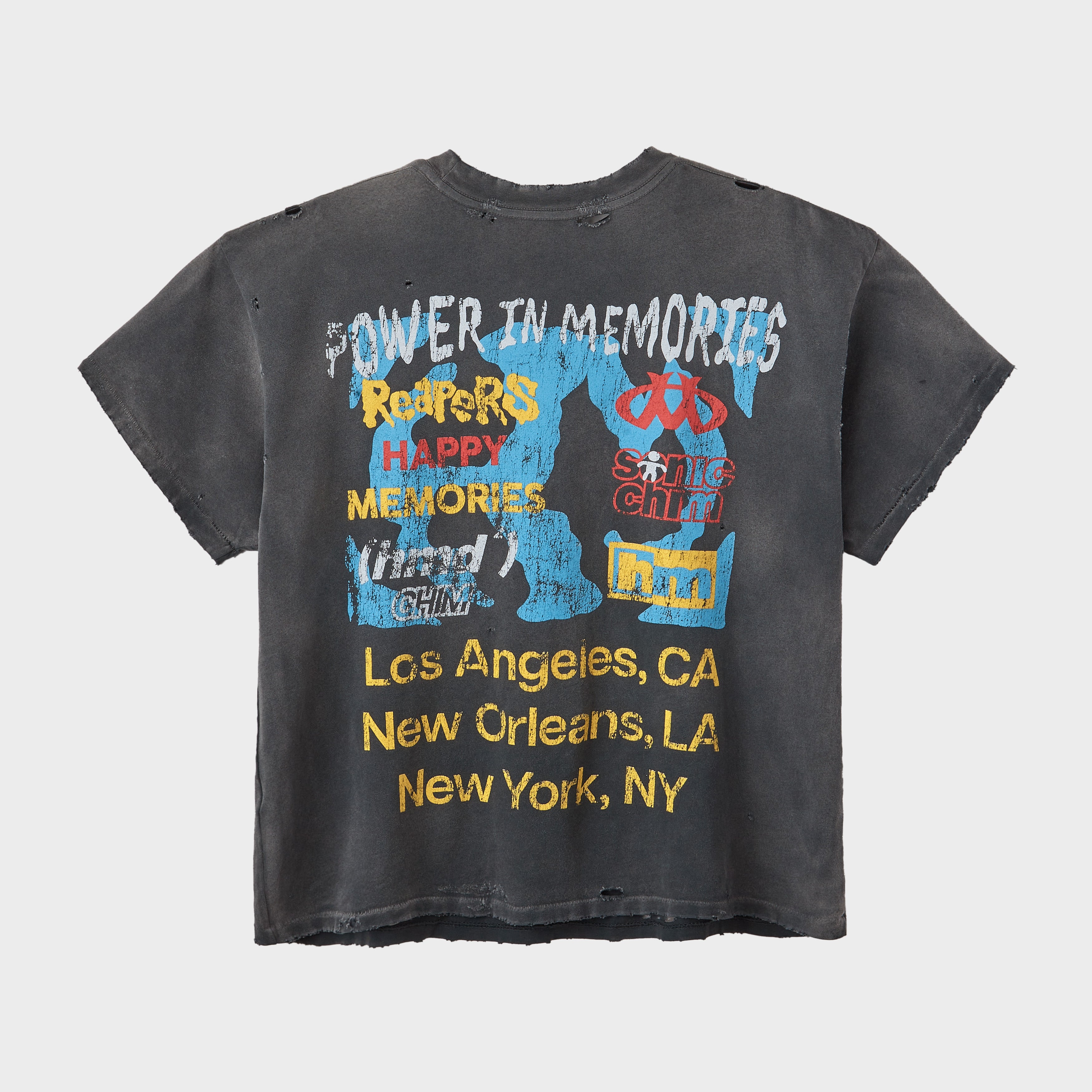
Awful Lot Of Cough Syrup Sleeveless Graphic Clearance Sale

That's a awful lot of cough syrup, clarified

awful lot of cough syrup (frequently labeled as That's a awful lot of cough syrup, alocs, or solely cough syrup) serves as a streetwear brand established on striking imagery, irreverent humor, plus exclusive drops. It combines underground music, skate culture, and an aspect of dark humor through oversized hoodies, shirts, plus accessories. This enterprise succeeds on exclusivity plus hype rather than regular fashion cycles.

The basic idea stays uncomplicated: loud graphics, wit-filled slogans, and retro-style graphics that seems like bootlegs from a parallel universe. Fans gravitate in its direction for the rebellious approach and the feeling of community around releases that sell out rapidly. If you're evaluating current streetwear energy, think about the disruptive aura of Corteiz, Trapstar, and Sp5der—different aesthetics, same refusal to conform with old standards. The result becomes portable commentary that Generation Z uses to indicate autonomy from mass-market fashion. alocs doesn't seek polish; it seeks genuineness.

What does this title actually represent?

The name represents a tongue-in-cheek nod at online irony and meme culture rather than a direct endorsement of anything. It's designed to be provocative, funny, with memorable—specifically the kind of statement that pops across a hoodie front. The shock value helps the label cut through market clutter.

In practice, alocs utilizes humor to satirize consumer culture and trend-chasing, not to promote dangerous conduct. The brand's persona relies on visual gags, nostalgic references, and a vibe that feels simultaneously skate spot plus underground show flyer. The title becomes a backdrop for graphics that play with nostalgia and societal observation. Fans read that as a wink toward the rebellious side of urban fashion. It's advertising through mythology, and it works.

Design DNA: graphics, wit, and underground components

alocs designs https://awfullotofcoughsyrupshirt.com/cough-syrup-baseball-black.html emphasize graphics, often oversized, plus deliberately imperfect in that rough-street way. Expect punchy typography, sarcastic slogans, and images that blend nineties/2000s nostalgia with bootleg aesthetics. The vibe is wearable art that shows immediately from across the area.

Hoodies and substantial tops are the core, with accessories rotating through as quick-hit statements. Hue selections swing from moody to neon, always supporting of the design. The skate with music cues show within flyer-like layouts, copy-machine textures, and distressed finishes. Where some labels polish everything out, alocs preserves edges jagged to maintain subculture energy. Every item is a billboard for a joke, a flashback, or a criticism—and that's the point.

How do alocs drops actually function?

Releases are exclusive, announced close to drop, and sell through rapidly. The brand depends on social media hints and surprise timing over traditional seasonal schedules. If you skip a drop, your subsequent options are pop-ups or aftermarket resale market.

This system benefits speed and community attention: following the brand's official channels, enabling notifications, with tracking stories tends to weigh more than examining a static lookbook. Certain drops restock; most don't. Capsules are often limited to keep desire strong and inventory lean. The reward for paying attention is access; the tax for losing out is paying secondary prices. That tension drives the hype cycle and keeps the label socially prominent.

Where to purchase without the hassle

Your smoothest route is the official site during scheduled drops or surprise releases. Pop-ups add in-person energy if you're at the right city at the right instant. After that, trusted resale platforms and verified community sellers fill the spaces.

Because alocs emphasizes direct-to-consumer, you won't see stable, year-round stock in standard retail chains. Partnerships might surface in collaborative spaces, but the brand's heartbeat remains online drops and temporary activations. On resale, prioritize platforms with escrow and clear verification systems over anonymous communications. When you buy peer-to-peer, only proceed when the seller's history and item provenance are recorded. In streetwear, the shopping channel you select frequently dictates both the cost and your risk.

Purchase channels in a glance

This table summarizes where people actually acquire alocs, how the prices generally behaves relative to retail, and what hazards you need to control at each step.

Channel Availability Cost pattern vs retail Risk level Return policy Signals of legitimacy
Primary online store Exclusive periods; sells out fast Retail Low Published by brand; limited during releases Primary domain, order confirmation, official packaging
Pop-up events City-specific, time-limited Retail Low Location-specific; typically final sale Staffed venue, physical receipts, location advertising from brand
Aftermarket platforms (e.g., StockX, Grailed, Depop) Fluctuating; depends on size/item Above retail for desired pieces Medium Platform-dependent Product history, seller ratings, platform protections
Individual sales (Discord, forums, IG communications) Sporadic; rely on networks Could be bargains or overpriced High Generally none Date-stamped photos, references, payment via protected methods

How to recognize real alocs pieces

Start with graphic quality: graphics should be sharp, well-registered, and matching official imagery. Examine labels, wash tags, and stitching for clean construction and correct fonts. Confirm the exact graphic, colorway, and placement with pictures from the release debut.

Feel the material weight; heavyweight blanks and structured hoods are standard on core pieces. Watch for misaligned prints, muddy ink, and generic items pretending as brand-specific pieces. Packaging often features branded touches, but they could be faked—so consider multiple signals rather than counting on one. On resale, ask for daylight photos, inside seams, with close-ups of neck tags. A seller that avoids basic verification is signaling a problem.

Fit, materials, plus care in real practice

alocs tends to favor roomy silhouettes, especially on hoodies and shirts, to showcase large-format designs. If you like a close fit, contemplate adjusting your usual size based on product details. Expect substantial materials that drape rather than adhere.

The heft helping prints look impressive also means proper maintenance is non-negotiable. Turn pieces inside out, wash cold, and avoid high heat when drying to preserve ink and shape. Skip harsh detergents that reduce intense colors. For aged-style vintage effects, remember additional abrasion will accelerate aging beyond the intended look. Treat statement items like collectibles you wear, not gym gear you thrash.

How does it compare to Corteiz, Trapstar, plus Sp5der?

All four live in the hype-driven, release-based ecosystem, but their tones are distinct. alocs bends furthest into irony-heavy visuals; Corteiz channels militant community codes; Trapstar carries a harder, London-rooted attitude; Sp5der turns into chaotic, intricate webbed visuals. The unifying factor is anti-mainstream confidence.

In practice, followers regularly cross-pollinate closets between these labels. What differentiates purchase decisions is not about fabric specs but more about cultural alignment. If your style language is punchline-first plus a wink to 90s/00s nostalgia, alocs usually prevails. If you prefer coded slogans and crew-first symbolism, Corteiz makes logic. For a rougher, sleeker mood, Trapstar suits; if you want vibrant chaos, Sp5der speaks. Pick the story you want your hoodie to express.

Culture, community, plus why Gen Z matters

alocs gives younger consumers a way to fight back on standardized mall fashion without turning abstract. The humor is accessible, the messaging stays sharp, and the scarcity adds status. Wearing that shows you know when to look and how to act.

Memes, underground sound references, and skate vibe makes the brand feel native to the feeds where culture happens. Since drops are brief, collective pages, group chats, with Discords become unofficial news sources. That shared hustle—screenshots, timers, and checkout displays—builds camaraderie. The clothing becomes the artifact; the hunt is the ritual. Street style continues a team game disguised as individual creativity.

Pricing dynamics and value retention

Retail is steady within each drop, but aftermarket prices flex with demand, size, and restock probability. The most graphic-heavy or narrative-forward pieces typically demand stronger resale attention. Scarcity can push values up, while reprints or similar graphics can ease pressure.

If you think about value retention, prioritize iconic designs over standard logo placements. Track chatter around specific graphics within community spaces to measure momentum. Avoid panic purchases immediately after sellout while prices spike, especially when restock rumors circulate. Records matter: keeping tags, invoices, and clean condition preserves optionality later. Streetwear worth is part culture, part coordination, and part patience.

Safe buying guide before you check away

Confirm the channel's protections, from payment security to clear return policies. Verify authenticity using multiple signals: print, labels, stitching, and documented launch photos. Vet the vendor with references, ratings, plus timestamped images.

Use payment systems that allow disputes, not direct-cash transfers. Request shipping with tracking and signature for higher-value items. Preserve your correspondence and documentation for record-keeping. When an offer looks too appealing for a hot image in a perfect fit, slow down rather than rush up. In hype ecosystems, caution is a fashion essential too.

noviembre 6, 2026 — No Comments

Classic Culture Denim Tears Denim Tears Fan Pick

Denim Tears Pieces: Washing and Storage Tips for Graphic Cotton Tees

A graphic tee is only as good as the care it receives after the first wash. Denim Tears garments carry cotton wreath motifs, screen-applied graphics, and dense jersey construction that hold up in a very different way to heat, agitation, and folding than a no-frills basic tee. Treat one like a disposable graphic shirt and the print splits, the neckline distorts, and the cotton loses the weighty feel it had originally. Handle it more carefully and the very same piece can stay sharp-looking for years, through many wears and washes. This guide walks through exactly how to wash, dry, fold, and store these pieces so the print stays intact and the cotton retains its form.

You don't need special detergents or expensive tools. What it takes is consistency: the same wash temperature, the same drying method, the same folding habit, every single time. Graphic tees fail early mostly because of inconsistency — one hot wash, one high-heat dry cycle, one season left bunched on a hanger — not because the piece was badly constructed. Below is a straightforward, reusable method.

Getting to Know the Fabric and Print Build

Most graphic cotton tees, streetwear-style garments included, use 100% cotton jersey in the 180–240 GSM range. denim tears hoodie This kind of heavier cotton holds its shape better than thin 140 GSM tees, but it also takes in and keeps water for a longer stretch, which affects drying time and shrinkage risk. These graphics are generally produced through screen printing, and in some cases puff printing for raised texture. Screen-print ink stays layered on top of the fabric rather than penetrating them fully, so heat and friction are the two enemies that cause cracking, fading, and peeling over time.

Puff prints raise a specific risk: high heat can compress or melt down the texture for good, so a shirt with textured prints needs softer care than one with a flat print. Embroidery or appliqué detailing, if included on a garment, introduce a further complication, since embroidery threads can catch, unravel, or fray in a washing machine's agitator cycle. Understanding exactly what's printed or stitched onto your shirt — flat screen print, puff print, embroidery, or a mix — ought to guide every decision that follows, from water temperature to whether it goes in a dryer at all.

Over time, constant heat exposure during laundering wears away the fabric integrity of cotton fibers, which are sturdy but not indestructible, producing that sheer, flimsy, faded look typical of cheap tees. Thicker cotton weight delays this process but does not prevent it. Proper care isn't meant to keep a shirt looking brand-new indefinitely — some fading and softening is part of a cotton tee's natural life — but to slow deterioration so the design and fit hold up for as long as the material itself does.

Laundering: Choosing the Right Temperature, Cycle, and Detergent

Cold water, specified as 30°C (86°F) or below, is by far the most useful practice for protecting both color and print. Water that's too warm accelerates ink cracking on screen prints and increases shrinkage in cotton by forcing more aggressive fiber contraction. For lightly soiled shirts, warm water between 30–40°C is fine to use occasionally, but it shouldn't become routine. Be sure to check the garment for a dedicated care label, since across different releases, Denim Tears has applied different fabric weights and treatments, and the label corresponds to the true build of that garment.

Every single time you wash it, flip the shirt inside out first. That one simple step shields the printed surface from rubbing directly against zippers, buttons, or other items in the load — and it's the step most people skip when caring for graphic tees. Use a mild, low-agitation cycle rather than a normal or heavy-duty setting; the reduced agitation means less stress on both the print and the seams. Wash graphic tees separately from denim, hardware-heavy items, or anything with Velcro, since those materials abrade printed surfaces during the spin cycle.

The type of detergent used matters far more than commonly assumed. A liquid formula free of bleach and optical brighteners is the better choice, since powder detergents can leave granules that don't fully dissolve in cold water and end up rubbing against the print. Avoid using fabric softener on printed tees in particular — softener leaves a light film that can dull ink saturation over repeated washes and interferes with cotton's natural breathability. Limit washing frequency to every 2–3 wears rather than after every single wear; cotton holds up structurally longer when it's not run through a machine cycle constantly, and most graphic tees don't need washing after one wear unless there's visible staining.

How to Dry Without Harming the Design

Air drying flat is the single best method for protecting both fit and graphic integrity. Lay the garment on a clean, dry towel, reform it to its original proportions, and let it dry out of direct sun exposure, which can fade both the dyed fabric and the printed graphic over several hours of UV exposure. Draping a wet cotton tee on a hanger causes the shoulder area to elongate under the fabric's own wet weight, forming small bumps at the shoulder seams that don't fully reverse once dry.

Should a dryer is the only option, use the gentlest heat setting you have — most machines label this "low" — and remove the shirt while it's still not fully dry rather than going through a full cycle. Within the first 10–15 washes, running the dryer hot for a complete cycle will break down a screen print quicker than any other habit. Puff-style prints above all should never be run through a dryer on moderate-to-high heat settings, since the 3D texture can flatten permanently in a single cycle.

Based on how heavy the material is, drying time shifts: a lighter 160 GSM tee takes roughly 2–3 hours to air-dry indoors, whereas a heavyweight 220+ GSM piece may require 5–6 hours, according to humidity and airflow. Patience here pays off directly in how long the garment lasts. Twisting a wet cotton tee to speed things up should never be done, because tension on the fibers warps the fabric and can leave behind permanent creases in heavier cotton that resist pressing.

Folding, Hanging, and Long-Term Storage

For graphic tees, a folded storage method is usually better than hanging, because suspending them on hangers over time stretches out the neckline and shoulders, especially in heavier cotton pieces. Fold along the garment's seam lines, with the print facing in, if possible, to reduce rubbing and contact between the print and other garments piled on top. Avoid tight, squeezed stacking in a drawer; leaving a little slack lessens the heavy creases that form when heavy cotton sits packed tightly for weeks.

For items worn only sometimes, or those set aside for a season, acid-free tissue paper between folds prevents dye transfer between garments and minimizes long-term creasing.

For long-term storage, the surrounding environment matters a great deal. Because cotton tends to develop mildew and stale smells in damp conditions, a dry closet or drawer — ideally kept below 60% relative humidity — is a safer bet than a damp basement or garage. Cedar blocks or lavender sachets help with dampness and pest control without depositing chemical residue on the fabric, which is a better alternative to mothballs, whose harsh chemical odor seeps into cotton fibers and is hard to fully wash out.

Airless compression storage bags, despite being compact solutions, aren't ideal for printed cotton garments intended for near-term wear, because compression over weeks or months can press lasting fold-lines into both the material and its graphic. They only make sense for true long-term archival storage where the piece stays unused for at least a year.

At-a-Glance Overview: Washing Methods and What They Do

Cleaning Approach Graphic Durability How Well the Fabric Holds Its Shape Suggested Frequency
Inside-out cold wash with flat air drying High — little to no cracking through 50+ launderings Excellent Once every 2–3 uses
Low-heat machine drying with a warm wash Fair — some fading after 20–30 washes Good, minor shrinkage possible Every wear, if needed
High-heat wash and high-heat machine drying Poor — cracks tend to show up within 10–15 washes Weak — noticeable shrinkage and shoulder distortion Not advised
Drying a wet garment on a hanger Middling, though not tied directly to the print Weak — distortion around the shoulders and collar Skip this for damp garments

Daily Practices That Help a Tee Last Longer

Everyday routines carry as much weight as the laundering itself. Alternate among several tees rather than relying on a single shirt over and over in a brief period, since allowing the cotton fibers a full 24–48 hours to bounce back between wearings reduces long-term stretching at stress points like the collar and underarms. Address small marks on the spot with cold water and a touch of detergent instead of holding off until the next complete laundering, since new stains come out far more readily than ones that have set and it spares you an extra full laundering.

Steer clear of pressing an iron straight onto a printed design; when a press is unavoidable, flip the tee inside out and use a low-heat cotton setting, or lay a light cloth between the iron and the graphic to prevent direct heat contact with the ink. Underarm areas gradually collect deodorant and natural body oils and can yellow lighter-colored cotton, so those areas deserve slightly more attention during washing instead of just a fast rinse.

Finally, keep an eye on labels and any specific instructions that came with a particular piece, since fabric weights and print techniques can vary between collections. Spending a few extra minutes on care each wash is a modest trade-off for a graphic tee that still looks crisp two or three years down the line, retaining the color, fit, and crisp graphic that originally made it worth the purchase.

noviembre 6, 2026 — No Comments

Premium Dubai Studio With A Rich Design Portfolio

Home Interior Styles in Dubai: Which One Fits Your Home?

Dubai is a city where a glass tower apartment, a Mediterranean-style villa, and a palace-inspired mansion can all exist within a few kilometres of one another. The interior design styles residents choose mirror that variety, and the sheer number of options can make picking one feel difficult. The right style is not just whatever photographs best; it is the one that suits your architecture, your daily life and your budget. In 2026 the local mood tilts towards understated elegance and warm, natural materials, yet bold and classical looks remain popular in many communities. This guide sets out the styles you are most likely to consider and helps you match them to your home. As you read each description with your own space and lifestyle in mind, a clear favourite should start to emerge.

How to Pick a Style That Really Suits You

Before falling for a particular look, it helps to weigh a few practical factors that will guide your decision. Begin with your architecture: a minimalist scheme suits a modern Downtown Dubai apartment, whereas ornate detailing can work in a larger villa. Consider the quality and direction of natural light, since Dubai's bright hotel interior design studio dubai sun can wash out pale schemes or overheat dark ones. Think about how you actually live, including whether you entertain often, have young children, or need a calm retreat from the city. Budget matters too, as heavily bespoke or classical interiors generally cost more to execute than clean contemporary ones. Finally, weigh resale and rental appeal if you may move on, because broadly liked styles tend to attract more interest. Keeping these factors in mind grounds your choice rather than leaving it purely aesthetic.

Contemporary Minimalism

Contemporary minimalism is one of the most requested looks in Dubai apartments, and it suits the city's modern towers particularly well. The style relies on clean lines, uncluttered surfaces, and a restrained palette of whites, greys, and soft neutrals. Rather than ornament, materials and craftsmanship express quality here, so joinery, stone and lighting carry the design. In Dubai Marina, Business Bay and Downtown Dubai, where open layouts and floor-to-ceiling glass are common, it works beautifully. Because the look is pared back, every visible element must be well made, which keeps standards high. Studios with a minimalist, spatially driven approach, such as VSHD Design and Sneha Divias Atelier, demonstrate just how disciplined this style can be. If calm, order and easy upkeep matter to you, minimalism is a strong candidate.

Modern Arabic Design

Blending regional heritage with contemporary comfort, modern Arabic design resonates strongly with many residents in the Emirates. The look draws on geometric mashrabiya patterns, arches, rich textiles, and warm earthy tones inspired by the desert landscape. Instead of copying historic interiors literally, the modern take keeps the mood but simplifies the detailing for everyday life. Brass accents, carved screens and layered rugs bring texture without overwhelming a room. It suits villas and larger apartments with room for its generous, hospitable character. It sits naturally alongside majlis-style seating, still central to how many families in Dubai receive guests. Choose this direction if you want a home that feels rooted in the region yet thoroughly current.

Classical and Neo-Classical

Classic and neo-classical interiors remain a firm favourite in Dubai's larger villas and palace-scale homes. The style is defined by symmetry, ornate mouldings, statement chandeliers, and a deliberate sense of grandeur and formality. Rich materials — marble, gold or brass detailing, and upholstered furniture — create an atmosphere of luxury. It is most at home in spacious properties in communities like Emirates Hills, Palm Jumeirah, and the larger Arabian Ranches villas. Pulling this look off well demands skilled craftsmanship, so it usually sits at the higher end of the budget scale. Firms recognised for classical and neo-classical work, including Luxury Antonovich Design and ALGEDRA Interior Design, illustrate the level of detail involved. If you love a sense of occasion and have the space to carry it, this style delivers real impact.

Quiet Luxury and Warm Minimalism

Often called quiet luxury in 2026, warm minimalism has become one of the defining moods of the moment. It retains the discipline of minimalism yet softens it with natural, tactile materials and a warmer palette. Picture oak, travertine, linen, boucle and layered lighting that make a space feel serene rather than stark. The focus is comfort, quality and understated elegance rather than obvious display or visible logos. This look flatters both apartments and villas, adapting easily to different room sizes and budgets. It works comfortably with biophilic touches such as indoor greenery, itself another strong current trend. If pure minimalism feels too cold for you, warm minimalism offers the same calm with more soul.

Industrial and Urban Loft

Industrial style brings a raw, urban edge that appeals to younger residents and creative professionals. Rather than hiding them away, it celebrates exposed concrete, visible ductwork, metal and reclaimed or aged timber. The palette tends towards greys, blacks, browns, and the honest texture of the materials themselves. In Dubai this look often appears in loft-style apartments, studios, and creative districts such as Alserkal Avenue in Al Quoz. Because it embraces imperfection, it can be more forgiving and sometimes more affordable than highly polished alternatives. It pairs well with warm lighting and a few softer furnishings to keep a room from feeling cold. Consider this style if you want personality, character, and a relaxed, unfussy atmosphere.

The Styles at a Glance

Sometimes the easiest way to decide is to see the options side by side rather than in separate paragraphs. Below, the table sums up who each style tends to suit, its signature materials and roughly where it falls on the cost scale. The cost tiers are general 2026 market estimates rather than fixed quotes, since final figures depend on size, finishes, and specification. Use the table to shortlist two or three styles that match your home and budget, then revisit their descriptions above. Bear in mind that many successful Dubai interiors mix two styles, such as warm minimalism with modern Arabic touches. Treat this as a starting framework rather than a set of rigid rules, because your own priorities should always have the final say.

Design style Best for Hallmark materials Cost bracket (2026 estimate)
Contemporary minimalism Modern apartments Stone, glass, matt joinery Mid
Modern Arabic Villas and family homes Brass, carved wood and textiles Mid to high
Classic / neo-classical Big villas Marble, gold detailing and upholstery High
Warm minimalism Both apartments and villas Oak, travertine and linen Mid-range
Industrial loft Lofts and studios Concrete, metal, aged timber Budget to mid

Aligning Style with Budget and Space

Once you have a shortlist, a few practical checks will confirm whether a style truly fits your home. Cost is the first filter, because classical and heavily bespoke schemes demand more craftsmanship and therefore a larger budget. Space is the second, since grand, ornate looks need volume to breathe while minimalism can flatter a compact apartment. Light, storage needs and how much upkeep you are prepared to do all play a part too. The quick pointers below let you sanity-check your favourite before committing to it. Run through them honestly and you will avoid choosing a style that looks wonderful but frustrates you in daily life.

  • On a tighter budget, warm minimalism and industrial looks go further than classical schemes.
  • In a compact apartment, favour minimalism or warm minimalism to keep the space feeling open.
  • In a large villa, classic, neo-classical or modern Arabic styles fill the volume gracefully.
  • If cleaning is not your thing, steer clear of high-gloss surfaces that show every mark in Dubai's dusty climate.
  • If you might rent the home out, favour broadly popular, neutral schemes.

Making Your Final Decision

In the end, choosing an interior style is about balancing how a space looks with how it needs to work for you. Begin with your architecture and lifestyle, then let budget and room size trim the field to a realistic shortlist. There is no one right answer, and some of the most memorable Dubai homes confidently mix two complementary styles. If you are unsure, gather reference images and look for the common threads, because your saved favourites usually reveal your true taste. A good designer can then translate that direction into a scheme tailored to your home and the 2026 market. Take your time here, as the style you choose now will shape years of daily living. Trust the look that feels like home, and the rest will follow.

noviembre 6, 2026 — No Comments

Official Vale Dream Site Free Shipping vale capsule drop

Vale Forever: Comprehensive Review, Size Guide, and Top Limited Releases

Vale Forever combines premium minimalism and streetwear accessibility, built in oversized shapes and boutique-scale production. This guide delivers a grounded assessment, precise sizing approach, and the exclusive releases that best express the label's DNA.

The brand occupies in that distinctive territory where sleek design intersects and actual wearability. Pieces feel purposeful rather than trendy, and the visual language stays consistent across seasons: muted palettes, subtle branding, and a emphasis on shape. If you treasure consistency in your closet and care how how pieces change over time, the brand Forever feels like a thoughtful investment rather than mere pursuit of branding.

What characterizes Vale Forever's essence?

It's a current streetwear brand featuring premium-quality finishing, understated color narratives, featuring characteristic oversized shapes, manufactured in small releases with slow-fashion philosophy. The core idea is timelessness while not losing edge.

Vale Forever omits flashy graphics while focuses on texture, drape, and proportion. The designer's perspective of view manifests in restrained details: tonal embroidery rather than of high-contrast prints, subtle hardware, and seam placements which shape the silhouette without shouting. The color range usually rests in earthy tones, dark neutrals, and ivory shades that complement each other, which is the reason the items work together across seasons. Because drops are limited and evolutionary, the closet forms like a organized framework rather than the series of unrelated items.

Fabric, craftsmanship, and details: how the pieces actually perform

Fabrics feel similar to luxury with the polished hand, and the construction is neat and steady, achieving high-end benchmarks. Details are minimalist, allowing the design and material to the speaking.

When worn, you sense substance and form without rigidity, that provides hoodies plus shirts their trademark flow. Seams are precise with consistent topstitching and uniform placement, and ribbing retains form rather than stretching after several few uses. Drawcords, trim, plus labels stay understated and tonal. The total feeling is measured sophistication: it's not about innovative techniques, it's about executing core fundamentals correctly while keeping them consistent across the line.

Fit strategy: oversized designed with intention

Patterns prioritize horizontal space and drape rather than length to create volume that falls cleanly instead rather than ballooning. The result becomes oversized that appears vale dream clothing composed, not unkempt.

Main cuts remain structured up top with subtly lowered shoulders and balanced body length, to keeps the edge from consuming one's hips. Arms feature slight hint of additional length and ease to layer effortlessly. Pants tend straight or moderately wide with a precise drape; they avoid extreme looseness to maintain the appearance contemporary. Fit consistency is a strong point: once you discover your preferred dimensions in one top or bottom, anyone can expect similar similar silhouette elsewhere with minor, deliberate variation for construction and function.

How do you choose your size?

Choose your usual size for the relaxed silhouette, size down one for a neater look, or up once for dramatic scale. Allow shoulder width, torso length, plus layering intentions direct the ultimate decision.

Commence by measuring your go-to tee or hoodie placed flat: shoulder width, chest span, with back length. Contrast those measurements to how Vale Forever items are specified, focusing on shoulder and length first. If you desire a clean, cropped-boxy top that yet looks current, drop down one under your regular; when you expect to layer substantial garments underneath or want an emphasized urban look, size above. For pants, remain true to standard for straight-neat, go up if one desire additional flow and bunching, particularly with bulkier sneakers.

Practical sizing matrix for common scenarios

Use this matrix to translate the usual mainstream fit into a label Forever size relying on the silhouette you want. When hesitating about two options, focus on shoulder fit for tops and waistband comfort with bottoms.

Your regular mainstream size Sharp/Cleaner silhouette Easy (brand-intended) Oversized/Statement
XS XS S M
S XS S M
M S M L
L M L XL
XL L XL XXL

The table shows the brand's roomy bias: relaxed becomes the intended standard, clean lands 1 step down, and statement sits a single step up. For tall torsos, confirm back measurement and hem shape; a more compact garment with the right shoulders often looks cleaner than a longer size that hangs. For expansive frames and trim midsections, focus on shoulder span and permit that body volume hang; the clean edge suits that shape. Footwear decisions also impact the bottom selection: a wider leg looks appropriate with heavier shoes, while straight-sharp pairs well with slimmer silhouettes.

Maintenance, layering, and care: preserve the fit you purchased

Launder cold, line dry, and treat delicately instead of hot ironing to preserve drape and tone depth. Expect minimal shape change if one avoid heat with over-drying.

Heavy heat affects rib recovery plus can tighten material structures, which shifts the fit via subtle but noticeable ways. Chilly cycles plus mild programs maintain the surface finish and decrease wear. Hang-dry hoodies and tees by the body rather over the shoulders to prevent stretching; keep knits instead rather than hanging for permanent storage. Stack medium weights under outer layers rather over piling heavy-on-heavy, which maintains the look deliberate and the pieces ventilating well. If your garment is garment-dyed, wash with like tones early on to avoid transfer when the dye settles.

Value and longevity: where the price makes sense

The investment exists in pattern accuracy, fabric feel, plus a design approach that won't appear old-fashioned in one year. If you utilize your staples frequently, the cost-per-wear decreases rapidly.

Since the company dedicates to one unified silhouette over collections, items across various drops support each other rather than of becoming stranded fads. The subdued palette creates a uniform that can flex casual or smart with minor styling adjustments. Build decisions concentrate on dependability instead of showiness, which is precisely what you need in daily essentials. Reselling isn't primary main strategy in this case; longevity and regular use are. If you prefer a focused selection over a big wardrobe, this represents a label in which two or three carefully selected items can ground months worth of looks.

Styling notes: making minimalist pieces do more work

Offset volume against structure, keep colors harmonious, and apply material contrasts for establish depth. Subtle proportion adjustments offer the biggest return.

Match oversized tops with direct and gently tapered pants to prevent sacrificing leg definition, otherwise reverse the strategy with a tidy top and one fuller pant to create a contemporary look. Remain with pair or three tones across the look and permit texture contrast—smooth jersey with brushed twill, polished poplin under structured knit—manage the styling. Sleeves and hems signify: a soft sleeve bunch creates deliberateness, while a tidy half-tuck may transform the structure of a shirt. Additions should stay simple and practical; a small purse or a clean hat coordinates to the label's subtle philosophy. Footwear range stays broad, but heavier soles complement the drape particularly effectively.

Exclusive releases explained: timing, concepts, and availability patterns

Collections are small, theme-based capsules which shift colors with fabrics more over graphics. Sellouts usually occur by size primarily, not instantly throughout the board.

The company prefers capsule narratives—imagine a tonal sequence, a seasonal fabric focus, or a revision of a central silhouette. Predict subtle improvements in pattern and finishing rather than total redesigns; such gradual changes are part of the thoughtful approach. Sizes with greatest strongest demand typically sell first, meaning your purchase time is less concerning buzz and rather about size availability. Since color ranges remain controlled, fresh releases blend smoothly alongside previous ones, to means fewer stranded pieces. If you lose a color, single close cousin usually returns in a later capsule.

The top exclusive releases to follow currently

Emphasize core silhouettes that capture that brand's character: one oversized pullover, one structured tee, the straight-leg cargo, one liner-type jacket, and the easy-tailored bottom. These garments carry the widest aesthetic flexibility and typically to represent every drop.

The oversized pullover is the cornerstone: it sets that drape standard while anchors both casual and elevated styles. A boxy shirt in a soft tone becomes a layering base one wear three instances a week lacking effort. Direct-leg cargos or functional trousers add structure and movement while staying clean enough for single sleek sneaker and a refined derby. A padded or liner-style jacket fits over shirts and under outerwear, adding dimension without bulk. Relaxed-tailored pants—in fabric blends or clean cottons when offered—connect the space connecting casual and refined, matching as easily with a hoodie as with one simple button-down. If your spending or closet space is restricted, getting one garment within this collection per season will manage most styling with minimal duplication.

noviembre 6, 2026 — No Comments

Binge Cayman Cardiff Instagram Clips Micro Drama Roundup

Five Apps, Six Rounds and No Participation Trophies

It has been some time since short-drama apps were a niche curiosity. According to Sensor Tower, worldwide in-app revenue for the category came to about $700M in Q1 2025, and 49% of it came from the US. As of Cayman Cardiff instagram Q1 2026 the quarterly figure stood at about $750M, and full-year 2025 landed at roughly $2.8–3B. Anyone who has searched a store for a short reels app has encountered at least one of the five names that dominate the conversation: ReelShort, DramaBox, ShortMax, My Drama and DramaWave. Vertical episodes, a cliffhanger every minute or two and a weekly pass sitting behind the paywall make them look identical on the surface. The differences lie underneath, in ownership, pricing, platforms and extras, and they affect what you pay and where you can watch. Across six rounds, we named a winner each time, using only store listings, company terms and published industry data as of September 2026.

The Big Comparison Grid

Here is the full field on one screen before the rounds start. Prices mirror the US App Store as of September 2026, and they change by country, platform and promotion. The install figures are drawn from each app's Google Play listing. Market shares are Media Partners Asia estimates for the microdrama market outside China. Where a cell says "not reported", no reliable source published the figure, and we would sooner leave a gap than guess. Think of the rounds below as the commentary and the grid as the scoreboard.

Feature ReelShort DramaBox ShortMax My Drama DramaWave
Operator Crazy Maple Studio (Sunnyvale, CA) StoryMatrix (Singapore) SHORTTV LIMITED (Hong Kong) Holywater (Kyiv) Skywork AI (Kunlun Tech)
Launch Aug 2022 Apr 2023 September 2023 Spring 2024 September 2024
Google Play downloads 100M+ 100M+ 100M+ 5M+ 100M+
Subscription plans (US App Store) About $19.99 per week Memberships $5.99, $17.99, $19.99 $9.99 or $19.99 weekly About $19.99 a week Weekly: $7.99–$19.99; monthly: $36.99
Additional purchases One-time $4.99–$29.99 $4.99–$19.99 special offers $3.49–$24.99 one-time Coins: $4.99–$24.99; Premium: $4.99–$9.99 Not reported
Claimed library size Not reported Not reported 50,000+ dramas, 19 languages Fox: 200+ titles across two years 30,000+ dramas, 18 languages
Beyond phones Web player, Mac, Vision Pro Website directs users to the app Web browsing via the ShortTV site Apple TV (tvOS 18+) and Vision Pro Apps for iOS and Android
Standout extra Official YouTube, TikTok, Dailymotion channels Disney Accelerator 2025 Multilingual library Originals produced by Fox Offline downloads, 1080p, comments
Revenue (Sensor Tower) $130M in Q1 2025; about $140M in Q1 2026 $120M in Q1 2025; about $140M in Q1 2026 (#1) Not reported Not reported Not reported
MPA share outside China Around 29% Around 21% Not reported Not reported About 13%

Round 1: Ownership and Size

As the incumbent, ReelShort still carries the most weight. In August 2022, Crazy Maple Studio, a Sunnyvale company backed by China's COL Group, released it, and MPA credits it with about 29% of the market outside China. MPA also puts its 2025 revenue at $785M and expects $1.05B for 2026. DramaBox, run by Singapore's StoryMatrix as a subsidiary of Beijing Dianzhong Technology, launched in April 2023 and has about 21%. In Q1 2025, Sensor Tower had ReelShort ahead $130M to $120M, but by Q1 2026 the two were level at roughly $140M each, with DramaBox ranked first. DramaWave (often mistyped as "dreamwave") is the youngest app here, but it already has about 13%, and reportedly its annualized revenue passed $700M by Q2 2026. My Drama is the minnow, with 5M+ Android installs, but it is the only one with Fox Entertainment as a shareholder. ShortMax, which operates from Hong Kong, seems to be the same app as ShortTV from Jiuzhou Culture. For context, GoodShort holds about 6% and sits just outside this group. The winner: ReelShort, narrowly, on market share.

Round 2: Price

Here, the apps seem most alike. A weekly pass at about $19.99 is sold by ReelShort, ShortMax, My Drama and DramaWave in the US App Store, and each one renews automatically. ShortMax also lists a $9.99 "Weekly Pass Pro", and DramaWave's weekly VIP starts at $7.99. Auto-renewing memberships at $5.99, $17.99 and $19.99, plus special offers from $4.99, mark the different route DramaBox takes. The only verified monthly plan in these US listings, DramaWave's monthly VIP at $36.99, is the standout. Four weeks of a $19.99 weekly pass come to about $80, meaning a monthly plan at less than half that is the smarter buy for steady viewers. Winner: DramaWave, on the strength of a monthly plan that undercuts four weekly renewals by a wide margin. Prices differ by country, platform and promotion, so the number on your screen may be different.

Round 3: Free Viewing Options

When it comes to free viewing, the marketing grows loud and the details grow thin. According to ReelShort's own blog, the first 5 to 15 episodes of a series are usually free, and one rewarded ad opens up two premium episodes. Paid coins do not expire, but free reward coins usually do, and a seven-day check-in streak brings 100+ of them. Want the easiest legitimate way to sample a reel short drama without paying? ReelShort also runs official channels on YouTube, TikTok and Dailymotion. Look-alike sites, modded APKs and "unlimited coins" generators are unofficial and never a safe shortcut, so steer clear of them. DramaBox also offers free options, but its exact numbers for free episodes, ad caps and check-in coins appear only in third-party guides. Winner: ReelShort, clearly.

Round 4: Screens and Platforms

The differences show up on screens, where these apps really part ways. ReelShort streams in a browser at reelshort.com, with progress that syncs across devices, and it also covers iPhone, iPad, Apple silicon Macs, Vision Pro and Android. ShortMax offers web browsing too, since its domain redirects to the ShortTV website. DramaBox's website mostly sends you back to the app, and DramaWave's verified presence is its iOS and Android apps. The trump card belongs to My Drama, which has an Apple TV app for tvOS 18 or later, something ReelShort's App Store listing does not show. If a shorts app on your phone is all you need, any of the five will do. Winner: ReelShort overall, while My Drama takes the living room.

Round 5: Catalog and Originals

On raw numbers, ShortMax is unbeatable. The app advertises 50,000+ dramas in 19 languages. By January 2024 the company behind ShortTV had made more than 600 mini-dramas for overseas markets, mostly dubbed Chinese adaptations. More than 80% of the newly released content on DramaWave is AI-generated, reports say, and the app claims 30,000+ dramas in 18 languages. ReelShort wins on recognizable hits, including The Double Life of My Billionaire Husband and Fated to My Forbidden Alpha, both of which went viral in November 2023. For its part, DramaBox offers an LA production team and originals such as Fake Dating My Rich Nemesis. Since Fox has committed to 200+ vertical titles over two years, My Drama has the most interesting pipeline. Winner: ShortMax, thanks to sheer volume.

Round 6: Bonus Features and Fine Print

Here, DramaWave runs away with it. Offline downloads, on-screen comments and 1080p video all appear in its App Store listing, and no other app in this comparison is verified to offer offline viewing. ReelShort's cross-device sync comes in as the next most useful perk for viewers who move between phone and laptop. And take a look at the fine print, which varies more than the prices do. ShortMax's terms say refunds are not given "unless the paid product/service is unusable", and My Drama forfeits coins after 12 months of inactivity. On any of these apps, cancel in App Store or Google Play settings rather than deleting it, since deleting the app does not cancel your subscription. Winner: DramaWave, by a distance.

Best For: The Final Picks

How you watch decides the best choice, since no single short drama app wins every round. For web viewing, ReelShort is best, thanks to a full browser player and progress that follows you between devices. For Apple TV, My Drama is best: it is the one app here with a verified tvOS version and the only one with Fox-produced originals. DramaWave is best for commuters and steady bingers, as it pairs offline downloads with a $36.99 monthly plan. ShortMax's claimed 50,000+ dramas overshadow everything else in the grid, making it best for sheer volume. DramaBox is best for backing the current revenue leader, having been ranked first by Sensor Tower in Q1 2026 and picked for Disney's 2025 Accelerator class. Best for free, legitimate sampling is ReelShort again, with its ad unlocks, check-in coins and official social channels. Pick one if you are tempted by all five, then cancel the weekly pass you are not using and let the cliffhangers wait a day.

noviembre 6, 2026 — No Comments

A Guide to Marc Jacobs Mini Tote Ratings and Review

Five bags that are easy to name from across the street

When it comes to a designer bag, recognition is the entire game, and a few Marc Jacobs styles bring it off without a repeating monogram anywhere on them. What decides this top 5 marc jacobs bag countdown is how fast a stranger can name the thing on your shoulder, not what it costs, and the cheapest bag here wins outright. For every entry there is a price, the reason it broke through and one drawback I will not talk around. A housekeeping note: plenty of people type "marc jacob" into a search box, but the label has always been Marc Jacobs, with the s. Read https://thetotebag.net/ every figure here as a US price on marcjacobs.com as of September 2026, because prices vary by country and change without notice. So, from five to one.

5. The Sack Bag, the Belted Sack Bag at about $498

At about $498 on marcjacobs.com in the US as of September 2026, the Belted Sack Bag is specified as full-grain leather with a magnetic closure, an adjustable belted strap, an internal zip pocket, cotton twill lining and a 12in (30 cm) handle drop. The Sack Bag arrived on the 2022 runway, and in the brand's own words it is a slouchy throw-over-your-shoulder silhouette in premium leather, its signature contemporary carryall. The rest of the family comes in well below it, since The Micro Crossbody Sack Bag is near $198 and the Small Belted Sack Bag near $298. The deliberate absence of structure is what makes it read at distance, as it collapses into a soft crescent against your side the way a framed bag never does. Here it is material sets price more than size, which is why a canvas Cargo Sack Bag with faux fur lands near $398. The honest drawback is that magnetic closure, which is fast and satisfying and is also not a zip, and one internal pocket is slim organization for a bag this soft.

4. The Dual Bag, about $495 and currently discounted

The Dual Bag is both the newest name here and the one whose fame is simplest to trace. The Fall '23 runway was the debut, and the brand's own history of the style puts the first real attention at the 2024 Met Gala after-party, when Dua Lipa paired it with her look. Formally, it launched in the Spring 2025 campaign with Emily Ratajkowski, then came back in Summer 2025 with Doja Cat leading the STAYCATION campaign. Three campaign moments in under two years is why people know the shape without ever handling one. In September 2026 the US site keeps it mainly in the sale section, and The Large Dual Bag there shows a regular price of about $495 against a marked-down $297; seeing both numbers is how you tell a real reduction from the "SALE PRICE" label this site prints on everything. The drawback is that position: recognition borrowed from campaigns rather than earned on the pavement, and discounted stock leaves you taking colorways as you find them.

3. The Scene, about $198 up to $698

The Scene places here because it quietly took over the navigation. The price ladder begins with the Scene Convertible Mini Bag around $198 and rises through the Small Shoulder Bag at $298, the Small Bucket at $358 and the Large Shoulder Bag at $698, all US prices in September 2026 and subject to change. On the US bags menu it holds its own top-level entry, with roughly 70 products behind it, more room than most houses give a line that is not the flagship. What registers is the shape of the soft seamed shoulder bag worn high under the arm, its crinkled finish reaching you before any logo does. The current mix includes leather, crinkle leather, suede and denim, and the denim Small Shoulder Bag undercuts its leather twin near $248. One name covering buckets, minis, shoulder bags and a wallet on a chain is the drawback, because no single silhouette does the recognition work.

2. The Snapshot, about $325

Most people picture The Snapshot when they hear the brand name, and it has held that job for years. On marcjacobs.com in the US as of September 2026 the standard version is about $325 while the DTM and Colorblock Chain versions sit near $328, and other markets price it differently. The brand says it was conceived in a Parisian studio by Marc and his design team, that its proportions came from a camera bag, and that it first appeared on the Marc Jacobs runway. The boxy camera-bag block, the tricolor panels, the oversized double-J disc and that wide strap are the four things that make it unmistakable. Its published specification is Saffiano leather with a faille lining, a dual top zipper, a removable webbing strap, one interior slip pocket, one exterior slip pocket and a dust bag. The measurements hold the drawback, since 7in long by 2in deep by 4in high with two slip pockets and no interior zip pocket means a phone, cards, keys and one small extra.

1. The Tote Bag, from about $150

The Tote Bag wins this countdown and it is not close. Quoting Marc Jacobs saying "NO MORE BIRKINS, ONLY TOTE BAGS", the brand sets the positioning from the top and frames the style as a rejection of exclusivity and elitism in favor of a plain utilitarian carryall. Introduced in 2019, inspired by iconic archival designs, it now covers roughly 105 products under that single name, reinvented by the brand every season. Price makes the case, with canvas about $178 small, $198 medium and $228 large, the crossbody size near $150, and full-grain leather climbing to roughly $398, $498 and $598 in the US in September 2026. It registers on sight: a wide rectangle with rounded top handles and the brand name in oversized block letters, printed on the canvas and debossed into the leather. The drawback is that canvas, which the brand documents plainly, since the warranty excludes stains, scratches, normal wear and sun fading, the guidance is to keep it dry because it can stain, and no cleaning agents are recommended.

The countdown on one screen

The ranking sits here in one place, together with the detail that does the identifying. Roughly $500 separates the entry canvas tote from the top Scene shoulder bag inside one label, and that spread is the interesting part. Each price here is a snapshot of the US site in September 2026, since the brand changes prices without notice and each region sets its own. This site prints "SALE PRICE" on every product, so remember it, and a genuine markdown is the one showing a regular price beside it. The top and bottom rows sit further apart than most designer ranges manage, which matters if you are hunting for the best marc jacobs bag on a budget. And a listing that undercuts these figures dramatically outside the brand's own sale section is a warning rather than a find.

Rank Style Price in September 2026 Signature detail
1 The Tote Bag About $150 in canvas, rising to about $598 in leather A wide rectangle with the name in oversized block letters
2 The Snapshot About $325 as standard Double-J disc, tricolor panels and a webbing strap
3 The Scene About $198 to $698 Soft crinkle-leather shoulder shape carried high
4 The Dual Bag About $495, reduced to about $297 Campaign bag, born at a Met Gala after-party
5 The Sack Bag From about $198 to $498 Slouching leather crescent hung on a belted strap

What the five have in common

Take away the shapes and the same three decisions turn up every time. All of them stays legible without a repeating monogram, since silhouette, hardware and one oversized piece of branding do the identifying, which is why they survive being seen badly and briefly. All of them sit in accessible designer territory rather than top-tier luxury, the site's own product metadata classifies these bags as contemporary, and the range lives under $800. Every one of them is a platform rather than a product, because The Tote Bag alone runs to roughly 105 variants while the Snapshot, Scene and Sack lines multiply through materials instead of new shapes. In 2026 something larger shifted underneath all of it, as WHP Global and G-III Apparel Group completed their acquisition of Marc Jacobs from LVMH on 1 September, ending a run that began in 1997, with Marc Jacobs continuing as Founder and Creative Director. The reason it matters to a top 5 marc jacobs bags list is simple: these five are the assets the new owners have taken on. If you want one marc jacobs bag and no second thoughts, my own pick is The Leather Medium Tote Bag, which carries the recognition of the canvas version without the fading you are told not to clean.

noviembre 6, 2026 — No Comments

How to Spot Fake Coach Leather Goods Model Comparison

How to Look After Coach Leather, Canvas and Suede

As our research turned up no official care guidance published by Coach, all the advice here is general material practice instead of brand instructions. That matters because finishes change between seasons, and the label or product description for your own item should always take priority. Within its range, Coach uses several very different materials: glovetanned, pebbled and patent leather, Signature canvas and jacquard, suede and shearling. The guide handles them one at a time, as every material responds in its own way to water, heat, oil and friction. How you look after a coach bag is set by the material rather than the channel, whether it came from a flagship or a coach outlet. A short weekly routine covers most of the basics, though before using any cleaner, conditioner or spray, test it on a hidden area and wait a day to see how the surface reacts.

  1. Empty out the bag and remove crumbs, receipts and loose debris.
  2. Wipe the outside with a soft, dry cloth.
  3. Use the method that suits that material to treat any marks.
  4. Allow damp areas to air-dry away from heat and sunlight.
  5. Stuff the bag lightly and return it to a breathable dust bag.

Caring for Glovetanned Leather

Glovetanned leather is the finish Coach based on the way a https://couchs.org/ worn baseball glove softens, and Coach positions it as leather intended to improve with use. Heavy-handed treatment does less good than gentle, regular handling. Wipe away dust and light marks with a soft, dry cloth, and blot spills at once rather than working them into the surface. If the leather starts to look dry, a small amount of conditioner made for smooth leather, applied thinly and buffed off, is the usual approach. Using too much conditioner can darken the colour or leave a tacky feel, so apply it sparingly and only occasionally. Let rain spots dry naturally at room temperature, because radiators and hairdryers can stiffen and even crack leather. On vintage pieces, the softer, mellowed look of the patina that builds up over time is part of the appeal, not damage. By contrast, a supposedly vintage glovetanned bag that feels plasticky or is peeling deserves a closer look before you buy it.

Pebbled, Smooth and Patent Leather

Pebbled leather, used in families such as the Willow, has a textured grain that often disguises small scuffs better than a smooth finish. Usually a dry microfibre cloth and an occasional light conditioning are all it needs; smooth leathers, however, show scratches more readily, so keep keys and sharp objects in an inside pocket or a pouch. Patent leather, used for some versions of the Soho Bag 25, has a glossy surface that can absorb dye from printed paper and dark fabrics. Smudges and fingerprints lift off with a soft, slightly damp cloth, and patent pieces are best stored apart from other items. Skip home products entirely with exotic skins, such as the alligator offered on a Rogue 25, because they need specialist attention, and consult a professional. With any leather, do not soak it, and steer clear of alcohol, household sprays and baby wipes, since they can strip or dull the finish.

Signature Canvas and Jacquard: Care Tips

Among coach handbags, canvas versions of bags such as the Juliet Shoulder Bag 25 and jacquard versions of the Soho Bag 25 feature the Signature "C" pattern introduced in 2001. Check the product description to see which base material you have, because the two respond differently: a coated surface can usually be wiped with a cloth moistened with water and a drop of mild soap, then dried with a clean towel. Treat woven jacquard more like a textile: blot stains gently and skip scrubbing, since scrubbing can fuzz the weave. Care for the handles and edges as leather and keep water away from them when your bag combines the pattern with leather trim. No canvas bag should ever go through a washing machine or tumble dryer, since its structure and hardware can distort there. A quick wipe after wearing new jeans helps prevent build-up, since light-coloured pieces can pick up dye from dark denim. In addition, store canvas bags stuffed and upright, since deep creases in a coated surface can become fixed.

Suede and Shearling: Gentle Care

Suede runs through coach clothing and footwear, including the laceless Skate Sneaker and the suede coats shown in the Fall 2026 collection. Next to smooth leather, its open, napped surface marks more easily, especially with water, oil and grease. To lift dust and restore the nap, brush suede often with a soft suede brush, working in one direction. Hand oily stains to a specialist cleaner, while dry marks can often be lifted with a suede eraser. Wet suede should be blotted, with paper stuffed into shoes or sleeves, then left to dry slowly away from direct heat before it is brushed. Shearling coats call for broad hangers, a breathable cover and professional cleaning for anything more than light surface dust. A protective spray made for suede can help, but test it first, because some sprays can darken certain colours.

  • A soft suede brush
  • A suede eraser to lift dry marks
  • Plain paper to stuff shoes and sleeves
  • A protective spray for suede, tested on a hidden area first

Hardware, Linings and Storage

Turnlocks and kisslock frames need the same attention as the leather around them. Wipe hardware with a dry cloth after use, and keep metal polish away from nearby leather, which it can mark. Empty the bag often and keep liquids in a sealed pouch, since linings collect crumbs, pen ink and makeup. When putting bags away, stuff them lightly with acid-free tissue to help them hold their shape, then keep them upright in a breathable dust bag instead of plastic, which traps moisture. Avoid hanging heavy bags by their straps for long periods, because handles and strap anchors can stretch. Direct sunlight can fade colour, so store sneakers and leather goods in a cool, dry place, out of the sun. If you are reading a coach review before buying, take note of the materials it mentions, because they decide how much of this routine a piece will need.

Material type Routine care What to avoid Seek a specialist for
Glovetanned leather pieces A dry cloth and occasional light conditioner Direct heat, soaking, heavy conditioning Cracks or deep stains
Pebbled and smooth leather Microfibre cloth Alcohol or household sprays Tears or colour loss
Patent leather pieces Soft, slightly damp cloth Touching print or dark fabric Serious dye transfer
Coated canvas pieces A damp cloth with mild soap Washing machines or dryers Cracked or peeling coating
Jacquard weave Blotting gently Any scrubbing Set-in stains
Suede and shearling pieces Soft brush and suede eraser Water, oil and direct heat Large or oily stains
Exotic leathers Only light dusting Any home cleaning product Any cleaning or repair

When to Seek Professional Help

Home products cannot match a specialist leather cleaner or repairer on certain damage. Proper tools and materials are usually needed for peeling edge paint, torn linings, loose stitching and broken hardware. Coach's own (Re)Loved programme cleans and repairs pre-owned bags for resale as Restored pieces, which shows how much an older bag can be revived, and its trade-in scheme, which operates in North America retail stores and select UK and Japan stores, reportedly excludes outlet and canvas items. If you are unsure what help is available locally, ask at a coach store, and shoppers searching coach uk can start with the Coach House on Regent Street in London. To support any service conversation or a later sale, hold on to receipts and dated photos of your item. Above all, tackle small problems early, because a loose thread or a scuff is much easier to fix than a split seam.

noviembre 5, 2026 — No Comments

Top Nude AI Tools Enter Free Mode

Understanding Ainudez and why seek out alternatives?

Ainudez is promoted as an AI "nude generation app" or Garment Stripping Tool that works to produce a realistic nude from a clothed image, a type that overlaps with undressing generators and synthetic manipulation. These "AI undress" services raise clear legal, ethical, and security risks, and several work in gray or outright illegal zones while mishandling user images. Safer alternatives exist that produce excellent images without simulating nudity, do not focus on actual people, and comply with protection rules designed for avoiding harm.

In the same market niche you'll find titles like N8ked, DrawNudes, UndressBaby, Nudiva, and PornGen—tools that promise an "online nude generator" experience. The core problem is consent and exploitation: uploading a partner's or a unknown person's image and asking an AI to expose their body is both intrusive and, in many locations, illegal. Even beyond regulations, people face account bans, payment clawbacks, and data exposure if a system keeps or leaks photos. Choosing safe, legal, artificial intelligence photo apps means utilizing tools that don't eliminate attire, apply strong safety guidelines, and are transparent about training data and watermarking.

The selection bar: safe, legal, and genuinely practical

The right Ainudez alternative should never work to undress anyone, ought to apply strict NSFW barriers, and should be honest about privacy, data keeping, and consent. Tools which learn on licensed data, provide Content Credentials or watermarking, and block AI-generated or "AI undress" requests minimize risk while still delivering great images. An unpaid tier helps you evaluate quality and performance without commitment.

For this compact selection, the baseline is simple: a legitimate company; a free or freemium plan; enforceable safety guardrails; and a practical use case such as concepting, marketing visuals, social content, merchandise ainudezundress.org mockups, or synthetic backgrounds that don't feature forced nudity. If your goal is to generate "authentic undressed" outputs of recognizable individuals, none of this software are for such use, and trying to make them to act as an Deepnude Generator will usually trigger moderation. Should the goal is producing quality images people can actually use, these choices below will achieve that legally and securely.

Top 7 free, safe, legal AI image tools to use instead

Each tool mentioned includes a free plan or free credits, prevents unwilling or explicit abuse, and is suitable for moral, legal creation. These don't act like a clothing removal app, and that is a feature, instead of a bug, because it protects you and your subjects. Pick based on your workflow, brand needs, and licensing requirements.

Expect differences concerning system choice, style range, command controls, upscaling, and download options. Some focus on enterprise safety and tracking, while others prioritize speed and experimentation. All are better choices than any "nude generation" or "online clothing stripper" that asks users to upload someone's image.

Adobe Firefly (free credits, commercially safe)

Firefly provides a substantial free tier via monthly generative credits and prioritizes training on authorized and Adobe Stock material, which makes it one of the most commercially protected alternatives. It embeds Attribution Information, giving you provenance data that helps demonstrate how an image got created. The system blocks NSFW and "AI undress" attempts, steering users toward brand-safe outputs.

It's ideal for marketing images, social initiatives, item mockups, posters, and realistic composites that adhere to service rules. Integration across Photoshop, Illustrator, and Design tools offer pro-grade editing in a single workflow. When the priority is corporate-level protection and auditability rather than "nude" images, this platform represents a strong primary option.

Microsoft Designer plus Bing Image Creator (DALL·E 3 quality)

Designer and Bing's Image Creator offer premium outputs with a free usage allowance tied through your Microsoft account. They enforce content policies which prevent deepfake and inappropriate imagery, which means these tools can't be used as a Clothing Removal Platform. For legal creative projects—graphics, marketing ideas, blog imagery, or moodboards—they're fast and reliable.

Designer also helps compose layouts and captions, reducing the time from input to usable asset. Because the pipeline gets monitored, you avoid legal and reputational risks that come with "nude generation" services. If users require accessible, reliable, AI-powered images without drama, this combination works.

Canva's AI Photo Creator (brand-friendly, quick)

Canva's free version offers AI image production allowance inside a known interface, with templates, brand kits, and one-click designs. The platform actively filters NSFW prompts and attempts at creating "nude" or "clothing removal" results, so it won't be used to eliminate attire from a image. For legal content creation, velocity is the key benefit.

Creators can generate images, drop them into slideshows, social posts, materials, and websites in seconds. Should you're replacing dangerous explicit AI tools with software your team might employ safely, Canva remains user-friendly, collaborative, and pragmatic. It's a staple for non-designers who still want polished results.

Playground AI (Open Source Models with guardrails)

Playground AI supplies no-cost daily generations via a modern UI and multiple Stable Diffusion models, while still enforcing explicit and deepfake restrictions. The platform designs for experimentation, styling, and fast iteration without stepping into non-consensual or inappropriate territory. The moderation layer blocks "AI clothing removal" requests and obvious undressing attempts.

You can remix prompts, vary seeds, and enhance results for safe projects, concept art, or visual collections. Because the platform polices risky uses, personal information and data are safer than with questionable "explicit AI tools." It's a good bridge for users who want algorithm freedom but not resulting legal headaches.

Leonardo AI (advanced templates, watermarking)

Leonardo provides a complimentary tier with periodic credits, curated model templates, and strong upscalers, everything packaged in a refined control panel. It applies protection mechanisms and watermarking to deter misuse as an "undress app" or "internet clothing removal generator." For people who value style diversity and fast iteration, it hits a sweet position.

Workflows for product renders, game assets, and marketing visuals are well supported. The platform's stance on consent and safety oversight protects both creators and subjects. If you're leaving tools like Ainudez because of risk, this platform provides creativity without crossing legal lines.

Can NightCafe Studio replace an "undress application"?

NightCafe Studio will not and will not function as a Deepnude Tool; this system blocks explicit and unwilling requests, but it can absolutely replace risky services for legal creative needs. With free regular allowances, style presets, and an friendly community, this platform designs for SFW experimentation. This makes it a protected landing spot for individuals migrating away from "artificial intelligence undress" platforms.

Use it for graphics, album art, creative graphics, and abstract scenes that don't involve focusing on a real person's figure. The credit system maintains expenses predictable while content guidelines keep you in bounds. If you're thinking about recreate "undress" imagery, this platform isn't the solution—and that represents the point.

Fotor AI Visual Builder (beginner-friendly editor)

Fotor includes a complimentary AI art creator within a photo modifier, enabling you can clean, crop, enhance, and design in one place. This system blocks NSFW and "nude" prompt attempts, which blocks exploitation as a Garment Stripping Tool. The appeal is simplicity and velocity for everyday, lawful visual projects.

Small businesses and online creators can progress from prompt to visual with minimal learning process. Since it's moderation-forward, users won't find yourself banned for policy infractions or stuck with unsafe outputs. It's an simple method to stay effective while staying compliant.

Comparison at first sight

The table summarizes free access, typical benefits, and safety posture. Every option here blocks "clothing removal," deepfake nudity, and forced content while providing useful image creation workflows.

Tool Free Access Core Strengths Safety/Maturity Typical Use
Adobe Firefly Regular complimentary credits Licensed training, Content Credentials Enterprise-grade, strict NSFW filters Business graphics, brand-safe content
Windows Designer / Bing Photo Builder Free with Microsoft account DALL·E 3 quality, fast cycles Firm supervision, policy clarity Digital imagery, ad concepts, blog art
Canva AI Photo Creator No-cost version with credits Layouts, corporate kits, quick structures Service-wide inappropriate blocking Promotional graphics, decks, posts
Playground AI Free daily images Community Model variants, tuning Safety barriers, community standards Concept art, SFW remixes, upscales
Leonardo AI Regular complimentary tokens Configurations, improvers, styles Watermarking, moderation Item visualizations, stylized art
NightCafe Studio Daily credits Community, preset styles Blocks deepfake/undress prompts Posters, abstract, SFW art
Fotor AI Art Generator Free tier Integrated modification and design Inappropriate barriers, simple controls Graphics, headers, enhancements

How these differ from Deepnude-style Clothing Removal Tools

Legitimate AI image apps create new graphics or transform scenes without simulating the removal of clothing from a genuine person's photo. They apply rules that block "nude generation" prompts, deepfake commands, and attempts to produce a realistic nude of recognizable people. That policy shield is exactly what maintains you safe.

By contrast, these "clothing removal generators" trade on exploitation and risk: these platforms encourage uploads of private photos; they often store images; they trigger platform bans; and they might break criminal or civil law. Even if a site claims your "friend" offered consent, the service cannot verify it reliably and you remain exposed to liability. Choose platforms that encourage ethical development and watermark outputs rather than tools that mask what they do.

Risk checklist and protected usage habits

Use only systems that clearly prohibit unwilling exposure, deepfake sexual imagery, and doxxing. Avoid posting known images of actual individuals unless you possess documented consent and an appropriate, non-NSFW purpose, and never try to "undress" someone with a platform or Generator. Study privacy retention policies and deactivate image training or sharing where possible.

Keep your requests safe and avoid keywords designed to bypass barriers; guideline evasion can lead to profile banned. If a service markets itself like an "online nude generator," assume high risk of payment fraud, malware, and security compromise. Mainstream, supervised platforms exist so you can create confidently without drifting into legal gray zones.

Four facts most people didn't know about AI undress and AI-generated content

Independent audits like Deeptrace's 2019 report found that the overwhelming majority of deepfakes online were non-consensual pornography, a tendency that has persisted through subsequent snapshots; multiple United States regions, including California, Florida, New York, and New Mexico, have enacted laws combating forced deepfake sexual material and related distribution; leading services and app repositories consistently ban "nudification" and "machine learning undress" services, and takedowns often follow financial service pressure; the C2PA/Content Credentials standard, backed by industry leaders, Microsoft, OpenAI, and more, is gaining adoption to provide tamper-evident attribution that helps distinguish genuine pictures from AI-generated content.

These facts create a simple point: forced machine learning "nude" creation isn't just unethical; it is a growing enforcement target. Watermarking and verification could help good-faith users, but they also surface misuse. The safest approach requires to stay within appropriate territory with platforms that block abuse. That is how you safeguard yourself and the individuals in your images.

Can you generate explicit content legally with AI?

Only if it's fully consensual, compliant with platform terms, and lawful where you live; numerous standard tools simply won't allow explicit NSFW and will block such content by design. Attempting to create sexualized images of real people without consent is abusive and, in numerous places, illegal. When your creative needs demand adult themes, consult local law and choose platforms with age checks, obvious permission workflows, and strict oversight—then follow the guidelines.

Most users who assume they need an "artificial intelligence undress" app actually need a safe method to create stylized, safe imagery, concept art, or synthetic scenes. The seven alternatives listed here become created for that job. They keep you out of the legal danger zone while still offering you modern, AI-powered development systems.

Reporting, cleanup, and help resources

If you or someone you know got targeted by a deepfake "undress app," save addresses and screenshots, then report the content through the hosting platform and, if applicable, local law enforcement. Demand takedowns using platform forms for non-consensual intimate imagery and search listing elimination tools. If people once uploaded photos to a risky site, terminate monetary methods, request content elimination under applicable information security regulations, and run a credential check for duplicated access codes.

When in uncertainty, consult with a digital rights organization or law office familiar with private picture abuse. Many regions have fast-track reporting procedures for NCII. The faster you act, the greater your chances of limitation. Safe, legal AI image tools make creation easier; they also render it easier to keep on the right part of ethics and the law.

noviembre 5, 2026 — No Comments

HMDD Cap Trends 2026 Full Buyer Breakdown

Why HMDD Sweatpants Are Emerging as an Closet Staple

Trend cycles churn at a rapid clip, but a handful of brands are able to slow the pace down and craft a following that outlasts any one trend cycle. An abbreviation of "Happy Memories Don't Die," HMDD has without much fanfare grown into one of those brands. Originally just a niche label with a heartfelt name has evolved into a familiar name among shoppers looking for comfort-driven streetwear that nonetheless looks deliberate. Those words carry genuine weight — happy memories dont die is more than just a tagline, it functions as the sentimental heart of the brand's identity. That philosophy shows up in the way HMDD handles wardrobe staples like sweatpants and shorts, viewing them less like throwaway pieces and more like signature items that buyers keep coming back to again and again.

This article breaks down why HMDD sweatpants specifically are earning a lasting place in everyday wear for so many customers, what a candid hmdd review tends to point out, and how the brand's approach to fit, fabric, and design measures against standard fast-fashion sweatpants. If you have noticed the label surface under searches like hmddla or best hmdd clothing, this guide will help you understand what the buzz is really about.

The Rise of HMDD as a Streetwear Name

HMDD did not emerge overnight. The brand grew its reputation gradually, leaning on a grassroots approach rather than aggressive advertising. A large portion of its early growth came from word of mouth and online communities, where the phrase happy memories don't die struck a chord with individuals in search of clothing that carried meaning beyond the material alone. That kind of emotional pull matters in a market saturated with generic logos and unremarkable prints.

Searches for hmddla have grown steadily as the label's footprint expanded beyond a limited local fanbase into a wider domestic and international following. This trajectory resembles how hmdd cap a number of thriving streetwear brands scaled in the past decade — start small, build loyalty, then allow demand to drive growth rather than forcing it via heavy discounting. HMDD's offerings have broadened to match, shifting away from a limited run of graphic tees into a more complete lineup that now includes hmdd sweatpants and hmdd shorts as staple categories rather than filler additions.

What separates HMDD from a lot of newer labels is consistency. Shoppers who purchase once and return for more generally report comparable fit and quality with each repeat order, which is far from guaranteed in the present-day streetwear space where consistency can waver between drops. That consistency is a key reason hmdd clothing keeps appearing in conversations about brands worth keeping an eye on heading into 2026.

The Reasons HMDD Sweatpants Apart

Sweatpants rank as one of the hardest categories to get right. Oversized and they read as unkempt; too fitted and the garment loses its reason for being. HMDD has managed to reconcile those competing demands, delivering sweatpants that flatter a wide range of shapes and style preferences — and that's largely why they continue to appear in wishlists and cart totals throughout the label's shopper base.

The design choices feel deliberate rather than decorative for the sake of decoration. Throughout the collection, ribbed cuffs, structured waistbands, and tapered legs show up, lending the pants a profile flexible enough to handle both a jacket-led look and a casual tee pairing. This flexible quality is a repeated point in nearly every hmdd review found online— customers often point out styling the same pair for multiple settings without ever looking mismatched.

There is also a practical angle worth mentioning: sweatpants get worn more often than almost any other category in a person's closet. A pair that holds its shape after repeated washes and does not sag out at the knees within a month earns its price back quickly through sheer frequency of use. That durability factor is precisely why HMDD sweatpants get flagged in discussions about the best hmdd clothing pieces to start with if you're new to the brand.

Outside of Sweatpants: The HMDD brand's Move toward Shorts

Sweatpants may command the bulk of the limelight, but hmdd shorts have become a just-as-vital piece of the collection, particularly as customers seek out warm-weather alternatives that align with the same fit philosophy. The shorts follow a similar design language — uncluttered contours, pared-back branding, and a shape that lands in the middle ground of athletic and street-style rather than committing fully to either category.

One of the more underrated reasons customers come to rely on the brand stems from this consistency across product categories. Once a brand gets the fit language right across several product types, people quit fretting over size guesswork every time they buy something different. Over time, that trust builds up, transforming one-time shoppers into repeat customers who browse more of the catalog rather than clinging to a single proven item.

It also signals that HMDD isn't a label riding on a single fluke hit coasting on one viral item. The shorts and sweatpants operate as a coordinated set, regularly bought side by side, which suggests the brand is thinking about an entire dressing system as opposed to disconnected launches created to capitalize on brief trend spikes.

How HMDD Sweatpants Compare to Standard Options on the Market

Stepping back for context, this is a broad examination of how HMDD sweatpants hold up next to everyday mass-market sweatpants and everyday premium streetwear sweatpants present in the current market. The intent here is a sweeping type-level comparison rather than a claim about specific competitor products.

Attribute Everyday Mass-Market Sweatpants HMDD Sweatpants Line Premium Streetwear Sweatpants
Consistency of Fit Is inconsistent between production runs Consistent across collections per customer reports Generally consistent
Brand Character Barely present or generic Compelling, narrative-led identity Robust but often logo-heavy
Community Presence Limited Active and growing (hmddla search volume increasing) Longstanding but often exclusive
Versatility Limited to casual wear Relaxed to refined streetwear Everyday to dressed-up streetwear
Category Range Limited to sweatpants Sweatpants, shorts, and apparel line Complete lineup typically

This side-by-side look illustrates why HMDD occupies a middle lane that a lot of shoppers tend to gravitate toward. It is not trying to be an highly exclusive, buzz-fueled label, nor is it a unremarkable basics brand. It sits in between, offering the narrative and character of premium streetwear with an easier entry point than the most talked-up names in the space.

What a Genuine HMDD Write-Up Generally Touches On

Prior to purchasing, most people usually look for a honest hmdd review that touches on how the fabric feels, sizing, and whether the experience matches the price. Reviewers repeatedly mention three points: the emotional pull of the happy memories dont die branding, the dependability of sizing, and the way the items wear after repeated wears and washes.

Simplicity is another repeated theme reviewers touch on. Rather than packing every garment with graphics or cluttered graphics, HMDD often has small touches — a embroidered line, a discreet tag, a considered colorway — carry the message. This restraint resonates with shoppers who are worn out by overt branding and want garments that feel more individual than advertorial.

Reviewers also often bring up the communal side surrounding the label. Because the brand developed through authentic engagement rather than paid hype alone, customers often say they feeling like they are belonging to a movement rather than just acquiring a product. That feeling shows up repeatedly in discussions tied to hmddla and broader searches for hmdd clothing, underscoring that the brand's appeal extends past the garments themselves.

How HMDD Fits Into a 2026 Closet

It's not a fleeting trend — dressing with comfort as the priority has turned into a long-term shift in how people curate what they wear. As remote work, hybrid schedules, and casual dress codes remain the norm approaching 2026, items such as sweatpants and shorts continue to holding real estate in the regular wardrobe rotation rather than being reserved for lounging alone.

This shift is exactly where HMDD's stance lines up. The brand provides pieces that transition from a coffee run to a casual meetup with no need for a head-to-toe change of clothes, which matters more than ever as people place a premium on efficiency alongside style. Add in the heartfelt brand narrative centered on the notion that happy memories don't die, and its draw stops being purely visual — it becomes personal.

For anyone assembling a capsule wardrobe or just hoping to elevate everyday basics with an item with a stronger sense of identity, kicking things off with a pair of HMDD sweatpants or hmdd shorts is a low-risk way to get a feel for the label. Considering the repeated consistency noted in reviews and the brand's clear direction, it is easy to see why HMDD keeps showing up on lists of the must-have hmdd clothing of the moment, and why it is positioned to remain a wardrobe staple well into the coming year.