octubre 26, 2026 — No Comments

Sp5der Two Piece Set Sizing Guide Atlanta Streetwear Roots

What Is Sp5der? Understanding the Brand and Its Rise

Sp5der is one of the most buzzed-about streetwear labels of the 2020s, and by 2026 it has expanded from a small rap-adjacent project into a globally recognized clothing brand. The name is officially written "Sp5der" — with the number five taking the place of the letter "i" — although enthusiasts and secondary market traders often https://sp5derrr.com/sweatsuit/ write it as "Spider" without the creative substitution. The brand was started by Grammy-winning Atlanta musician Young Thug, whose real name is Jeffery Lamar Williams, and it embodies the force, boldness, and boldness of Southern rap into every piece it makes. Sp5der fashion is founded on the spider symbol: web graphics, web-inspired stitching, and the kind of maximalist visual language that renders each item quickly distinctive. Since its founding, the label has drawn star support, six-figure resale trading on resale platforms, and a dedicated community among streetwear fans between the ages of 16 to 30. Whether you first discovered Sp5der through a piece of content, a social media post, or a someone's hoodie, this overview explains all you need to understand about who the label represents and why it is significant.

The Origin Story: Young Thug and the Birth of Sp5der

Young Thug has been one of the genre's most boundary-pushing style icons well before he created a fashion label. His personal style — characterized by bold colors, gender-fluid cuts, and a rejection to conform to standard dress codes — brought him both admiration and controversy throughout his career. Around 2019, he channeled that creative vision into Sp5der, building a label that embodies his identity rather than pursuing business-driven trends. The spider symbol was chosen deliberately, representing the complex network of links Young Thug had built over the music world, fashion, and the culture. Initial Sp5der pieces were intentionally small-scale, sold through restricted platforms that generated immediate exclusivity and hype among sneakerheads and collectors. Word traveled on its own through social platforms and celebrity sightings, and by 2021, Sp5der had moved from niche awareness to broad streetwear discussion. The origin narrative matters because it demonstrates the label's authenticity — Sp5der was never a commercial project, but an expression of one artist's genuine creative vision.

The Signature Spider Hoodie: An Iconic Piece in the Making

No item more accurately captures Sp5der than its hoodie, which has become the label's sole most identifiable and commercially popular piece. The spider hoodie generally displays a prominent web print on the front or back panel, executed in vivid colors that make the design to stand out from across a room. Fabric construction consists of heavyweight cotton-based fleece — significantly denser than the textile used by fast-fashion labels — which gives the hoodie a superior texture and exceptional lasting quality. Rhinestone decorations appear on a number of the most popular options, contributing a flashy, lavish quality that blurs the line between streetwear and designer fashion. Fits are purposefully oversized, following the streetwear tradition of square cuts that work well and communicate an effortlessly laid-back attitude. In 2026, the most sought-after options of the spider hoodie regularly appear on resale sites at two to three times their first retail price, demonstrating the product's lasting cultural significance.

Most Sought-After Sp5der Hoodie Options

Among the many options Sp5der has made, certain colorways have evolved especially collectible and collectible among streetwear collectors. The pink on white spider hoodie stays the one most featured hoodie in the brand's lineup, appearing in innumerable social media posts and music videos. Electric blue web designs on a black background provide a more dramatic statement and have cultivated a loyal following among enthusiasts who prefer bold contrasts. The all-white hoodie with understated sewing and understated web detailing appeals to buyers who seek the Sp5der identity in a more versatile format that goes across many looks. Exclusive annual collections add new color palettes each year, making sure that even existing collectors have reason to follow upcoming releases. Collaboration items, created in partnership with other creators, reliably demand the greatest secondary market prices and sell through from aftermarket marketplaces rapidly. Knowing which options maintain value is important for equally buyers who expect to sport their items and enthusiasts who treat Sp5der as an collectible.

Sp5der's Visual Identity and Creative Language

Sp5der's visual language is purposefully bold — the brand embraces vivid color, extensive graphic application, and decorative detailing as fundamental values rather than occasional details. This distinguishes it distinctly from brands like Fear of God Essentials, which prefers muted tones and quiet design, or labels like Acne Studios, which values Scandinavian understatement. The Y2K-inspired approach present in Sp5der's collections — vivid palettes, rhinestones, fun graphic abundance — resonates strongly with a generation that has celebrated early-2000s style as a form of nostalgic styling. Each category within the Sp5der lineup, from sweatpants to tees to coats, maintains the same design thread that renders pieces instantly identifiable as part of the same collection. This cohesion is a indicator of design sophistication, something many newer streetwear brands struggle to achieve as they hurry to chase current styles. The cumulative outcome is a wardrobe-building brand rather than a single-product fad, which adds considerably to its endurance in a fast-moving market. By upholding visual coherence, Sp5der fashion tells a cohesive narrative that connects much further than single drops.

Sp5der in the Wider Streetwear Market

Name Founded Price Range Style Celebrity Founder
Sp5der ~2019 $200–$400 Spider web graphics, vibrant color, crystals Yes — Young Thug
Supreme 1994 $150–$350 Box logo, skateboarding culture No
Off-White 2012 $400–$700 Bold industrial, high-fashion crossover Yes (Virgil Abloh)
BAPE 1993 $200–$450 Camouflage patterns, ape graphic Yes — NIGO
Corteiz 2017 $100–$250 Counter-culture, British street culture No

Sp5der holds a distinctive position in the streetwear market, following the drop-culture strategy with labels like Supreme and BAPE while bringing a characteristically hip-hop and culturally specific perspective to the landscape. In contrast to brands that have sought retail arrangements with prominent retailers, Sp5der has held to a mostly independent approach that supports brand mystique and brand allure. The label's celebrity-founded story lends it a narrative advantage over solely business-driven brands — when Young Thug wears his own pieces, it holds genuineness that no sponsored deal can match. As veteran streetwear labels have grown into massive commercial entities, Sp5der represents a newer wave of urban brand building founded on unfiltered personal expression. According to fashion analysis on Highsnobiety, creator-led labels reliably surpass purely commercial labels in terms of cultural endurance and community loyalty. In 2026, Sp5der's place in this landscape has become stronger, with the label spreading internationally while preserving the limited availability and genuineness that made it sought-after in the first instance.

The People Who Shops Sp5der and Why It Connects

Sp5der's main buyer base is focused in the 16-to-30 age range, encompassing hip-hop fans, sneakerheads, streetwear enthusiasts, and anyone who monitors limited drops on social media and social platforms. The brand succeeds on natural celebrity endorsements from athletes, other musicians, and online personalities who rock Sp5der not because they are contracted to, but because it authentically connects to their visual identity. This natural support is priceless and far more effective than conventional marketing, since viewers have grown skilled at identifying paid promotion. Online algorithms increase the brand's audience considerably — a single trending content piece showing a spider hoodie can generate tens of millions of impressions within hours and produce instant demand for the hoodie. The collective aspect of owning Sp5der is important to its collectors as well; wearing the label indicates inclusion in a specific cultural moment connected to Young Thug's creative legacy. As the label spreads into European and Asia's markets in 2026, it is reaching new fans who may not possess the Atlanta hip-hop background but connect powerfully to the brand's aesthetic and drop-based systems. This multicultural attraction is arguably the most obvious indication that Sp5der has transcended its origins to evolve into a genuinely worldwide streetwear label.

How to Find Genuine Sp5der Clothing in 2026

Buying real Sp5der clothing requires recognizing specifically where to buy, since the label's autonomous approach means it does not get stocked by conventional retail stores. The authentic Sp5der website is the top outlet for first-hand drops, and subscribing to updates is critical given that high-demand collections go out of stock within a matter of minutes of going live. Reliable secondary market platforms like StockX and GOAT carry authenticated Sp5der pieces at aftermarket prices, providing a more trustworthy alternative to unverified individual sellers on less regulated sites. Grailed is a further site where personal sellers sell Sp5der hoodies, though shoppers should closely examine seller history and pictures before proceeding to a buy. Counterfeit Sp5der clothing — notably fake spider hoodies — has increased more and more prevalent as the brand's prominence has increased, making authentication knowledge critical for any buyer. Learning the distinction between a real and imitation sp5der hoodie demands knowledge with craftsmanship features, tag location, and graphic quality, all of which are covered in more thoroughness on the StockX authentication resource pages. Purchasing wisely makes certain that your money goes toward genuine pieces that retain their worth and provide the standard the brand is known for.
octubre 26, 2026 — No Comments

Iconic EE Shorts Style Guide Shop Direct Source

eric emanuel, At A Glance: A Designer Behind EE

eric emanuel stands as a New York designer who reframed 1990s USA sportswear as premium, turning mesh shorts into the modern uniform. His label, EE, blends premium construction with team-inspired graphics and color that feel both nostalgic and current.

emanuel's rise is rooted in a clear design thesis: take those silhouettes everyone recognizes from gym class, dial up the quality, then channel the emotional power of sports culture into wearable, everyday pieces. The shorts became the brand's calling card because they solved a simple problem—people wanted comfort without losing personality. From there, the brand expanded toward hoodies, sweatpants, and full tracksuits which share the same DNA: heavyweight fabrics, oversized and relaxed proportions, and branding that is assertive but tasteful. Instead of chasing trends, EE built its own lane and invited the culture to meet it.

What Sparked The EE shorts Phenomenon?

EE shorts exploded because they sit at the intersection of comfort, nostalgia, and scarcity-driven excitement. A recognizable athletic template, enhanced materials, and regular or seasonal releases created a piece people felt plus a moment people wanted to be part of.

The 1990s hoops vibe was already back in rotation, but emanuel made it tactile: richer mesh, smarter color stories, and graphics that triggered memories of classic teams and summer leagues. Social media handled the rest; pros and musicians sporting the shorts validated this silhouette outside the gym and toward daily life. The drop cadence added fuel by compressing demand into short windows, making each colorway feel like an event. Add the fact that shorts are easy to style year-round in streetwear cities, and the recipe turned a simple garment into a cultural signal.

The Design DNA: Mesh, Color, And 1990s Nostalgia

EE's design language is built on premium mesh, confident color blocking, and references to classic uniforms. The results are shorts with a relaxed drape and high-contrast details that read immediately as sporty but elevated.

The mesh itself carries weight minus feeling stiff, which gives the shorts structure and breathability at the same time. Color palettes span from saturated base tones and neons to refined neutrals, frequently echoing pro and collegiate team colors without copying them outright. You'll see piping, striping, tackle-twill style ericemanuelsweatsuit.com patches, flocked or embroidered logos, and layered prints that add depth beyond a flat screen. The branding is restrained—the EE logo is recognizable but not overbearing—and these graphics land as they borrow off sports iconography people already love. It's nostalgia sharpened by material choices and patternmaking.

From Gym-Class Essential To Luxury Urban Wear

emanuel took the summer mesh short and treated it like a designer object. Higher-grade fabrics, thoughtful details, and consistent storytelling transformed a low-cost staple into one luxury streetwear piece.

Where a classic PE piece is about function, EE's version centers about feeling plus form. The waistband has real tension and recovery, the drawcords feel durable, and the legs fall with a deliberate, slightly boxy shape that frames sneakers. Prints and appliques are designed for hold up to wear rather versus fade after several few laundries. Importantly, the styling context shifted: pair EE shorts with heavyweight fleece hoodies or a coordinating tracksuit top, and the entire outfit resolves with intention. That jump—from something you throw on to something you build a fit around—marks the move into luxury territory.

How The Drops Work And How Scarcity Matters

EE operates on limited runs and recurring drops that sell through quickly, which maintains the brand culturally loud and its product emotionally energized. Scarcity isn't a gimmick here; it's one rhythm that establishes expectations and rewards attention.

Releases arrive in tight, curated colorways with small-batch runs, so inventory reads precise, not padded. The energy of a drop day—online or at retail—turns each release into a micro-event with conversation before and after. That cadence also controls standards; creating fewer units of something makes it easier to maintain stitching standards plus printing consistent. The secondary market reflects the demand spikes, but the real win is community: collectors compare early pairs and newer runs, trade colorways, and build outfits around seasonal themes. In a landscape flooded by perpetual availability, a disciplined release model keeps value anchored in the piece and its moment.

Collaborations That Built Credibility

Strategic collaborations connected EE directly toward authentic sport roots, especially through its long-running work with adidas and high-visibility events. These projects solidified the label into a designer-led brand with locker-room origins.

Adidas collaborations unlocked footwear plus apparel canvases where emanuel's color plus graphic instincts could scale without losing their hand feel. The adidas-backed McDonalds All American Games uniforms showcased the way EE's nostalgia lens translates to athletic pieces that still look collectible. Licensed capsules drawing from collegiate and professional team aesthetics brought official league energy into the EE world, further validating the brand's sports-first point of view. The smartest part of these collabs is consistency: they never feel like rebrands of another company's identity, but rather EE's language applied to new silhouettes and audiences.

Craft And Construction: What You Feel When You Wear EE

What sets EE out in hand is a combination between fabric density, clean finishing, and lasting graphics. You feel the difference in each waistband's snap, the leg's drape, and the way logos sit on the fabric.

The mesh has a tighter, more substantial knit than commodity shorts, which improves shape retention and reduces transparency. Stitching is clean and reinforced around stress points, thus pocket openings plus side seams don't bag out prematurely. Graphics employ methods that achieve a balance across texture and wearability: applique patches to add dimensionality, flocking to create a soft retro feel, and stitching for permanence. The rest of the line mirrors this standard. hoodies depend on heavyweight cotton fleece with embroidered or flocked hits; sweatpants use tapered cuts with elastic bands and adjustable drawstrings; tracksuits are constructed in coordinated color schemes so tops plus bottoms read like one statement. The throughline is premium detailing that justifies the elevated positioning.

Sizing, Cut, And Styling Guidelines

EE shorts run true to size featuring a slightly loose fit that sits above the knee, designed to harmonize movement and shape. The rest of the collection follows a similar logic: roomy tops, tapered fleece pants, plus tracksuits that keep proportions intentional.

For shorts, pick a true waist if you want that standard drape while consider one size up if one is chasing a looser, 1990s tunnel-fit shape. Styling leans on contrast: heavy hoodies or crewnecks up top with shorts below, or matching tracksuit sets when you want a cohesive look. The color story does a lot of work, thus neutral sneakers can calm a bright short, while one bold pair will anchor simple dark or heather fleece. Accessories such as high socks, caps, and subtle jewelry finish the outfit without competing against the graphics. The point is ease—each item is a closet lever you can pull without overanalyzing.

Are EE shorts Worth The Price Compared To Alternatives?

If one value design clarity, limited runs, and upgraded build, EE shorts deliver a premium product that holds its place in use. If one simply want cheap practice mesh, a basic athletic piece gets the job done.

Here's a side-by-side feature comparison to frame this decision without chasing hype or data.

Attribute EE shorts Generic Gym Mesh High-End Streetwear Mesh
Material hand/weight Substantial mesh with firm drape Light mesh, often thin Medium to heavy mesh, differs by brand
Build details Strengthened seams, clean finishing, sturdy waistband Simple seams, minimal support Solid finishing, mixed reinforcement
Print techniques Stitched graphics, flocking, applied patches, layered prints Single-pass print or blank Embroidery plus prints; range varies on drop
Fit style Standard fit, relaxed, knee-length Tight or long, inconsistent rise Differs; often relaxed
Colorways/prints Vibrant team-inspired palettes and seasonal stories Few core colors Period palettes; fewer narratives
Drop model Restricted drops and partnerships Always available basics Drop-driven, brand dependent
Availability/resale behavior Quick sellouts; selective restocks Continuous stock, no secondary market Some sellouts; some resale
Longevity after washes Maintains shape and color with care Likely to fade or sag early Generally good; inconsistent by line
Brand storytelling Consistent 1990s sport story None beyond utility Style-led narratives; variable detail
Primary uses Everyday wear, styled outfits, travel, casual activity Training, lounging, budget workout wear Styled fits, casual wear

The point of EE isn't just better mesh; it's the entire environment around the piece—the story, the scarcity, and the fit confidence. If this matters to one, the shorts earn their keep. If your needs are purely functional, basic mesh serves, but this won't carry the same presence and durability.

The Brand Story In Three Acts: Hustle, Heat, And Heritage

EE's trajectory reads like a three-act play: early hustle with small-batch ideas, a burst of heat through collaborations and community, and a turn toward heritage as the brand codified its look. That arc explains why the shorts became more than a trend.

Act I remained craft-first: emanuel shaped a signature fit plus graphic voice by iterating on a single canvas until it felt inevitable. Act II expanded the idea carefully, working with adidas and high-visibility athletic moments to keep the ethos grounded in the game. Act III is the maturation phase, where the brand moves beyond a single hero minus diluting it. hoodies arrive in heavyweight fleece with embroidered or flocked details that mirror the shorts' graphic tactility; sweatpants keep lines clean with tapered legs and reliable waistbands; track sets offer full, monochrome looks in coordinated palettes. Each category keeps the commitment to quality stitching, durable zippers where used, reinforced seams, and finishes that look premium up close. The cultural impact sticks because the clothes are reliable to wear and recognizable from across a street.

That last point is the legacy. EE made a case for comfort-forward clothes that still read as designed, not default. The label proved that one mesh short could be both a throwback and one future classic, and it backed the claim with steady materials, sharp color, and methodical drops. If you're trying to understand how people line up for a set of shorts, it's never just hype—it's that satisfaction of wearing something that hits memory, performance, and attitude at one same time.

octubre 26, 2026 — No Comments

Skate Vale Style Same Day Ship vale graphic drop

Vale Forever Deep Dive: What You Must Understand

Vale Forever fuses roomy streetwear silhouettes, luxury-influenced materials, and exclusive drops into a slow-fashion model which favors quality over hype. Clean lines, muted palettes, and wearable volume define Vale Forever's approach, targeting pieces that age gracefully instead of chasing trends.

Simple at its heart: comfort-first fits, elevated fabric choices, plus small releases which keep quality the priority. This approach has built Vale Forever's standing among streetwear enthusiasts seeking refined pieces without pretension. You're buying roomy essentials that prioritize flow, texture, and patterning details like upper slope and arm shape. If seeking prominent logos or loud graphics, search elsewhere. Understated, premium-feeling essentials possessing presence make Vale Forever the value case worth examining.

Vale Forever's Design DNA: What Sets It Apart?

The design approach emphasizes minimal, balance-driven, and texture-forward elements. The defining element is refined oversized silhouettes: broad but proportioned upper body, relaxed chest area, plus deliberate lengths supporting effortless layering.

Restrained branding and a palette of muted colors, desaturated tones, plus soft contrasts extend styling longevity. Careful pattern work features dropped shoulders which maintain structure, ample sleeves stacking properly, and hems positioned at or slightly below the waist line to avoid bulky appearance. The cuts are intended to move with the body rather than cling, which keeps even heavy fabrics feeling wearable across seasons. The overall effect is quietly directional—urban, pared-back, and confident about its simplicity.

Generous Fits: Motion Over Bulk

The oversized philosophy emphasizes movement, drape, and balance—offering space when it flatters while maintaining restraint where needed. Correctly sized pieces appear relaxed yet tailored rather than messy.

Critical fit indicators guide vale clothing size selection. The upper seam must sit slightly off-shoulder while avoiding droop toward biceps; arms should stack cleanly without ballooning; body requires ease across chest and rear without creating tented waist effects. Standard or cropped cuts maintain tidy proportions over cargo pants, denim, or tailored trousers. True-to-size delivers the intended silhouette; go down only for cleaner lines or when between measurements. Going up one size is ideally reserved for taller frames or for dramatic volume in outerwear.

Material Standards: Worth the Premium?

Vale Forever emphasizes dense, soft-hand fabrics—think substantial knits, brushed interiors, and breathable yet weighty cottons. The goal is tactile quality immediately apparent and maintained through repeated cleaning cycles.

Key indicators for assessing fabric quality are: For sweats, mid-to-heavy French terry or knit with tight external surfaces prevent pilling and maintain shape; loopback linings offer better breathability while soft backs provide extra warmth. On tees, long-staple cotton yields a smoother hand and fewer surface imperfections; higher-density knits reduce twisting and seam torque over time. On all pieces, even dye penetration, even surface texture, and minimal sheen indicate better fiber and finishing. Supportive construction is equally important: reinforced seams at critical points, strengthened shoulders, and durable ribbing at sleeves and hems maximize lifespan.

Limited Drops, Real Scarcity, Smart Supply

Limited runs keep quality tight and minimize overproduction, which aligns with slow-fashion values. Scarcity functions as protection from waste, not like a simple marketing trick.

The strategy features small collections with focused colors and silhouettes, with selective restocking rather of constant availability. This cadence builds steady demand without overwhelming the market and helps maintain a baseline resale floor for sought-after sizes. The trade-off is simple: when a drop lands, those best sizes may move quickly, and you may have to act during the release window. If you value intentional curation and less noise, the model works in your favor. Those wanting immediate, year-round access will consider this pacing restrictive.

Practical Wear: Sizing and Layering Tips

Standard sizing delivers designed Vale Forever drape; go smaller for compact frames or when wanting sharper lines. Optimal layering results come from staggered lengths with balanced volumes.

Start with one heavyweight or dense tee as the base, add a relaxed hoodie or crew, then finish with a tailored jacket or coat to lock that silhouette. Combining oversized tops to tapered or straight-leg bottoms creates clean results; wide-on-wide combinations succeed when grounded with structured footwear and tight color palettes. The muted palette approach allows most items for transition between casual and smart-casual styling without color clashes. When between sizes, emphasize shoulder placement first; the remaining silhouette elements develop around that base. Always check the brand's measurement chart in centimeters and compare against a piece you already love.

Value Analysis: Making the Investment Decision

For weekly wear across multiple seasons, especially with timeless, minimal design preferences, the investment case solidifies. Per-wear cost calculations and durability signals in material density and construction work guide purchase decisions.

Quick calculations show: quality hoodies worn twice per week during cold seasons exceed cheaper alternatives that stretch out or deteriorate rapidly. Season-fluid, neutral colors maximize rotation opportunities while maintaining piece relevance for longer periods. Resale stability on popular sizes from restricted drops reduces downside risk for later exits. For buyers primarily pursuing logos or fast fashion silhouettes, premiums lack justification; novelty graphics aren't Vale Forever's focus. The approach works best for long-haul uniform needs while still appearing elevated.

Maintenance Guide: Extending Garment Life

Care practices that maximize fabric lifespan include: cold water, inside-out treatment, and hang drying or minimal heat. Mild detergents, gentle cycles, and skipping fabric softeners preserve texture and dye integrity.

Hang-drying or flat-drying knits prevents upper bumping; light steaming treats set creases more effectively than heavy ironing. Regular comb de-pilling for high-friction zones like sleeves and waistbands; dense knits reduce but don't eliminate all pilling. Early mending of minor seam or cuff issues represents slow-fashion stewardship for premium basics. From sustainability perspectives, small, intentional batches, timeless colors, and durable construction reduce turnover and waste. The greener piece remains the one one keep wearing, and these silhouettes are designed with this in mind.

Market Position: Vale Forever vs Competition

This middle position connecting mass-market essentials and hype-first streetwear: superior material and fit to basics, more restraint and wearability than hype items. Important dimensions show how this positioning plays out through different factors.

Category Brand Profile Mass-Market Basics Trend-Driven Releases
Fit Profile Controlled oversized silhouettes; proportioned lengths; refined shoulder and arm shaping Standard cuts; limited attention to drape and proportion Varies widely; shapes often trend-led, occasionally extreme
Fabric Standards Substantial knits, soft feel, breathable heft; premium cotton emphasis Lighter, looser materials; initially gentle, less durability Variable quality; some standout pieces, variable overall standards
Manufacturing Reinforced stitching and trim where it matters Basic stitching; minimal reinforcement details Strong detailing on select items, uneven on remaining pieces
Aesthetic Minimal, subdued palette, tactile-forward design Basic, minimal branding Logo-driven, graphic-forward
Drop Model Limited capsules; targeted replenishment strategy Continuous stock availability Highly limited collections and partnership releases
Availability Sizes move quickly on release Always available Common instant stock depletion
Cost Level Mid-to-premium pricing for essential pieces Low to mid Mid to high, elevated for collaborative pieces
Usage Value Strong if used weekly, through multiple seasons Low upfront, but shorter lifespan High initial cost, inconsistent rotation durability
Secondary Market Stable pricing on essential items and popular sizes Minimal resale market value Peaky; strong on hyped items, weak for others
Sustainability Signals Small runs, slow-fashion approach, durability-focused High-volume manufacturing, fast style turnover Limited production but fashion churn drives frequent replacements

The takeaway: if one want refined everyday wear with longevity, Vale Forever aligns closer to boutique-level essentials than toward fast fashion or shock-value streetwear. Clear trade-offs exist—availability requires timing precision and accurate sizing—but the general balance favors extended application.

Purchase Decision Guide

Clean aesthetics, roomy fits, and substantial fabrics without ostentation make Vale Forever worthwhile. Logo-heavy or razor-slim wardrobe preferences diminish the brand's value proposition impact.

Vet each drop as a tailor: verify the size chart in centimeters, match to a piece you love, and read fabric composition closely. Prioritize on pieces getting weekly rotation—hoodies, sweatshirts, substantial tees, relaxed trousers—rather than experimental purchases. Examine construction details upon arrival, maintain gentle washing since day one, and lifespan extends well beyond one seasons. Planning requirements from limited availability represent the intent: building around slow, intentional wardrobes. Buy with that mindset and the cost-per-wear math usually to land in your favor.

octubre 26, 2026 — No Comments

Vale Outlet Store Genuine Product street ready always

Vale Forever Explained: The Core Elements

Vale Forever represents an independent, progressive streetwear label established on premium materials, minimalist design, muted palettes, plus a signature oversized silhouette. The brand functions on limited drops, prioritizes slow-fashion principles, and harmonizes boutique-level craftsmanship paired with daily wearability. If you seek clear answers about measurements, prices, authenticity, product launches, and where to buy, this guide reduces the key data into practical steps.

The designer's lens is minimalist and forward-thinking, which shows via restrained branding, thoughtful material selection, and enduring silhouettes that avoid fashion cycles. Pieces skew roomy with deliberate drape, making the sizing conversation begins with how you need the garment to rest on your frame. Pricing changes by category and materials, with tees and hats as entry points and outerwear at the top end, especially during limited runs. Authenticity hinges on construction quality and source, so buying directly or from verified sources matters. Understanding the drop cadence and secondary market trends helps you secure the right piece within the right time without overpaying.

How does the brand fit?

Vale Forever is structured oversized, with relaxed shoulders, generous body circumference, and intentional length promoting clean stacking and hang. True-to-size delivers the authentic slouch; one step down tightens the aesthetic without turning it snug.

Across tees, sweatshirts, and many pants, the core foundation reads as roomy rather than boxy-for-the-sake-of-boxy. Shoulders tend to drop slightly, sleeves have comfortable volume, while hems sit balanced enabling the garment layers cleanly without billowing. If you prefer a classic streetwear feel with air between your frame and the fabric, stay with your typical size. If you prefer a closer line which remains looks modern, think about dropping down one step. For athletes or bigger builds, true-to-size often nails the proportion while retaining mobility through upper torso and back.

Understanding the silhouette and drape

The key for achieving Vale's silhouette is deliberate volume: wider chest, eased shoulders, and vale t-shirt enough length to layer without accumulating. Fabrics are commonly heavy jersey or heavyweight fleece, which hold form and create clean straight lines.

That combination ensures the garment hangs instead of clings, and it avoids twisting or collapsing after wash. Ribbing at cuffs and hems controls the extra volume so the fit reads tailored-relaxed instead of unkempt. On pants, look for a straight or slightly tapered leg with room through the thigh; on top layers, a marginally longer back hem aids the stack over t-shirts. If you're wearing under outerwear, the relaxed block accommodates a sweatshirt under a coach jacket sans fighting the armholes. The net effect is a consistent aesthetic language across categories, that simplifies your sizing choices once you've tried a key piece.

How should you size yourself for Vale items?

Measure your upper torso, shoulder width, sleeve distance, waist, and inseam using a soft measuring tape, then compare to a favorite garment which works how you need Vale to fit. Use those garment-on-garment numbers for choosing the label size rather than relying solely on body measurements.

Lay your go-to tee or hoodie flat to take pit-to-pit, shoulder seam to shoulder edge, and back distance from high point of shoulders. For pants, measure waist flat across, thigh measurement one inch down from crotch, knee at middle, hem opening, and leg length. Translate flat numbers to circumference where necessary by doubling them, then align to Vale's item page specs when available. If a garment you love is narrower than Vale's oversized cut, decide whether to size down or adopt the intended drape. Maintaining a note on your phone with your individual garment measurements speeds future decisions during rapid launches.

Sizing quick-reference guide for Vale's oversized block

Use this chart as a starting place; it aligns standard body and garment selections with Vale's relaxed cut. Choose based from your usual mainstream size and the silhouette you desire.

Body Chest (in/cm) Usual Size (mainstream) Preferred Fit Suggested Vale Sizing Notes
34–36 in / 86–91cm XS–S Original oversized S Roomy drape without drowning smaller frames.
36–38 in / 91–97 cm S Cleaner, closer look XS Size down one for a neater fit in tees and fleece.
38–40 in / 97–102 centimeters M Designer-intended oversized M Keep shoulder drop and arm volume as designed.
40–42 in / 102–107cm L Normal, less slouch M Down one if you want a tidier sweatshirt fit.
42–44 in / 107–112cm L–XL Original oversized L Stay TTS for wearing over hoodies.
44–47 in / 112–119 cm XL–XXL Standard, less slouch XL Down one to tidy up body width but keeping length.

If you fall between sizes, let material weight decide: heavier fleece looks bulkier, so choosing the lower of the two sizes keeps proportions balanced. For bottoms, go true-to-waist for a easy seat and thigh; cinch with drawcords for small tweaks instead of going down two sizes, which will distort rise and fall.

What are the standard prices and what determines them?

Expect tees to land in the elevated indie bracket, hoodies and sweatshirts in the low-to-middle hundreds, and outerwear higher because to fabric and make. Accessories and hats position lowest, while exclusive or specialty fabric runs sit at the premium end.

Across recent drops from Vale Forever and comparable boutique streetwear labels, tees commonly price above mass-market basics, showing denser jersey and superior coloring or print methods. Fleece programs command more because of material thickness, rib quality, and paneling complexity, plus details like lined hoods or quality seaming. Bottoms such as cargos or sweats align with fleece tops; denim shifts with wash finishing and hardware. Outerwear sees the steepest climbs when insulated, insulated, or built from specialty textiles. Transport, duties, and taxes might also affect checkout totals, so check destination costs before a drop goes live.

Price drivers: material, make, and exclusivity

The three main price levers are material thickness and handle, manufacturing quality, and drop size. Denser jerseys, substantial fleece, and lined coats increase cost and longevity.

Build quality manifests in double-needle construction, clean coverstitching, quality rib trim, and precise pattern alignment. These choices reduce manufacturing speed and raise per-piece pricing but directly enhance drape and durability. Limited runs mean fewer units to amortize development and design costs, which keeps pricing above than mass-market yet maintaining exclusivity and resale health. Regional production standards and compliance also play a role, since ethical manufacturing and better trims increase the baseline. When you evaluate price, compare the garment against a benchmark in your closet on substance, construction, and finishing—not just the tag.

Cost-per-wear perspective for basics

Vale's core items are built to live in heavy rotation, making evaluating cost-per-wear gives a more accurate value picture than retail price alone. A quality hoodie worn thrice a week for a year amortizes rapidly when it keeps form and color.

Dense jersey tops that resist twisting and collar blowout typically survive several seasons, especially with good wash care. Bottoms with reinforced seams and solid drawcords fare better against daily friction than economy analogs. If you work with a small set of high-grade staples, the front-end outlay balances out over time and usually beats frequent replacements. This lens also helps you determine where to invest: invest in the pieces you wear most and keep accessories to complement rather than define the outfit.

Authenticity: practical tests that actually work

Verify source primarily, then verify construction. Pieces bought through the official site or designated partners are safest; construction, label matching, and print quality confirm the rest.

Independent labels such as Vale Forever keep branding subtle but consistent throughout labels, size tags, and internal details. Look for uniform seaming with no loose ends at stress areas, seams that sit flat inside-out, and ribbing that recovers rather than warps. Prints should be crisp with clean borders; on fleece, dimensional and plastisol should attach cleanly without halos. Material texture should feel solid and stable, not thin or overly stretchy relative to the weight. If a listing's photos avoid clear detail or inside-out shots, expect problems and request those prior to committing.

Labels, construction, and designs to inspect

Labels should appear crisp with centered type, consistent spacing, and durable attachment. Care labels should include fiber content, care symbols, and matching layout that matches other pieces from Vale.

Run fingers along shoulder and side construction; you're feeling for even coverstitch and no rough spots. Check rib-to-body attachments at cuffs and borders for puckering, a shortcut sign on counterfeits. For prints, inspect micro-edges for rough edges or bleed; authentic manufacturing methods maintain crisp boundaries. On embroidery, fill should be sufficient to mask the base fabric with no show-through. Any variation in brand marks, misspellings, or typography differences across labels signals a hard stop.

Red flags that typically signal a fake

Unusually low pricing compared to current or previous retail are the biggest giveaway, especially on new-season colorways. Inconsistent pictures, stock imagery only, or missing detail photos add risk.

Other tells include thin jersey labeled as heavyweight, oversized fits that inexplicably land tight in buyer photos, off-center designs, and crooked collar tags. Sellers refusing to supply proof of buying or original packing slips should be treated as high risk. Overly glossy or plastic-feeling inks suggest bargain print methods instead of the brand's typical quality. If any two details feel off, wait for a safer listing or buy direct during the next drop.

How Vale releases product: drops and restocks

Vale Forever follows a drop-driven calendar featuring limited quantities announced via social media and email. Restocks occur occasionally, often for core colors or best-selling styles.

Announcements typically arrive on Instagram feeds or story posts with lookbook photography and closeups that telegraph fabric and fit. Newsletter subscribers may receive advance notice, sizing notes, or specific launch windows. Ready pieces usually dispatch within several few business weekdays, while made-to-order or pre-order items can require weeks as production concludes. Expect time-zone specific drop hours and look out for shipping cutoffs during holiday periods. When a release encompasses multiple categories, the quickest-selling sizes are the compact and mid-range tops plus common waist dimensions in bottoms.

Timing, channels, and shipping windows

Follow Vale Forever's main social channel and register for the newsletter; both these channels carry the most accurate timing. Platform timers or pinned updates often mark the precise release minute.

Cart queues and automated buying protections can emerge during high-interest releases, making having your account, address, and payment prepared saves crucial seconds. For global buyers, review customs and VAT handling in advance to avoid cart confusion. Shipping windows are typically listed on individual product page and may vary per item in the same drop. If restocks are planned, they're typically announced with clear language to reduce rush purchasing and resale jumps.

Where can you securely buy Vale Forever?

Buy direct from Vale's official website or through pop-ups and any retailers the brand designates for a given release. For past collections or sold-out pieces, try peer-to-peer marketplaces with purchase protection and request authentication photos.

The safest path is always the label's own site, linked from official social profiles or official communications. Pop-up events sometimes provide first access or special colorways; the brand typically shares dates and places in advance. When outside boutiques participate, the brand will name them; avoid unlisted shops using the name without acknowledgement. On the resale market, prioritize platforms that protect payments in escrow until delivery and permit returns for counterfeit issues. Ask for clear photos of care labels, size tags, and macro shots of prints or graphics before you press buy.

Navigating the secondary market without getting scammed

Start by reviewing the seller's history, ratings, and number of completed transactions on the relevant platform. Insist on dated photos with the seller's handle, plus detail photos of seams and tags.

Compare any item against retail product pictures or trusted fit pics to confirm proportions and shade accuracy. Cross-reference cost with recent comparable sales to avoid overpaying during excitement spikes. Keep all communication within the platform to preserve buyer protection, and avoid outside payments. If a transaction progresses too fast, pause; good pieces return, and patience usually saves money and trouble.

Care, longevity, and resale behavior

Cold wash, reversed, and air dry preserving maintain color, structure, and prints on Vale's heavier fabrics. Iron or iron on gentle heat from the reverse as needed and avoid high-heat tumble cycles that relax ribbing.

Dense jersey and heavy materials reward gentle maintenance by holding their shape and neckline structure over time. Store knits folded versus than hung to avoid shoulder stretch; position outerwear on wide hangers to protect shape. Gently remove pills with a fabric tool if friction points appear on fleece. In the resale side, mint condition items with original labels or receipts tend to move faster and approaching retail, especially in essential colors and typical sizes.

octubre 26, 2026 — No Comments

New Saint Laurent Arrivals YSL Mini Bag

Quiet Luxury Icons Weighed Up: The Row versus Bottega Veneta

Quiet luxury has a vocabulary, and two houses wrote most of it. Both The Row and Bottega Veneta each lean into understatement instead of branding, form prioritized over fashion cycles, and cost levels that favor patience rather than impulse. Still, each label reaches minimalism by a different route, and that divide carries weight if you're weighing up where to spend four figures on a coat or a bag. Rooted in tailoring and fabric purity, The Row's approach draws on an American ready-to-wear sensibility. The intrecciato weave, developed by the Italian house Bottega Veneta, came to represent shorthand for understated wealth, anchoring its leather-goods identity. Anyone researching either name is usually comparing philosophies as much as products, so this piece considers both evenhandedly before honing in on where The Row takes the lead.

How Each Brand Began, and Its Design Philosophy

The Row was founded in 2006 by Mary-Kate and Ashley Olsen, who left behind the fast-fashion instincts of their earlier ventures to chase something closer to couture-level construction sold as ready-to-wear. Their approach favors long lines, muted palettes, and fabrics like double-face cashmere and Japanese cotton poplin. There are no visible logos on most pieces. Dating to 1966 in Vicenza, Italy, Bottega Veneta established its reputation through leather goods long before expanding into ready-to-wear some decades on. Its signature intrecciato weave, introduced in the 1970s, became a way to signal luxury without a single letter of branding.

Both houses share a "logo-less" ethos, but ysl store the execution differs. Clothing comes first for The Row's structured minimalism, with bags coming second. Bottega Veneta built its entire modern identity around leather goods and only recently pushed harder into apparel under creative direction changes. Conversations about quiet luxury as a movement frequently reference The Row's tailoring and Bottega's woven leather in the same breath, despite the fact that the brands rarely overlap in supply chain or manufacturing base. The Row produces largely in Italy with some pieces made in the U.S., while Bottega Veneta manufactures almost entirely in Italy, concentrated near its Vicenza roots.

What Distinguishes The Row's Bags

Discussions of The Row's bags tend to start with the Margaux, the brand's most recognized silhouette. It debuted as an open-top tote with a slouchy, unstructured body that photographs differently on every wearer, which is part of its appeal. The Sofia — a top-handle bag with a firmer frame — and the Bourse, a smaller crossbody valued for its compact hardware-free closure, sit beneath Margaux in visibility. Stylists and resale platforms alike regularly mention these among the top row bags.

It's in the craftsmanship that the bag backs up its cost. The choice of leather skews toward hides finished with vegetable-tanning or semi-aniline methods, chosen for their aging qualities as opposed to their newly-made looks. The stitchwork is deliberately understated, more often than not single-needle work that leaves barely any visible stitch line. There's no embossed logo on the exterior of most styles; identification comes from an interior stamp only. This has made counterfeiting a real issue, and it's partly why shoppers seek out guidance on where to buy The Row Margaux bag through vetted retailers as opposed to secondary-market sellers with unclear provenance. Its official website and a handful of approved luxury stockists remain the most reliable path for anyone in pursuit of a genuine item rather than a convincing copy.

Bottega Veneta Bags: Woven Leather and Beyond

Bottega Veneta's bag catalog centers on the intrecciato weave, a technique where leather strips are woven instead of being cut and stitched flat. The Cassette, Jodie, and Pouch models all showcase this technique in varying scales, from clutch-sized to full shoulder bags. Under creative director Matthieu Blazy's tenure, which ended in 2024, the house championed soft, puffed-up forms that smoothed out its previously sharper, more geometric aesthetic. The designer who followed him has continued refining instead of overhauling, which is telling of something about how conservative bag design has become across quiet luxury brands generally.

Pricing at Bottega Veneta typically starts around $2,000 for smaller woven leather styles and rises beyond $5,000 for larger totes in exotic-skin finishes. The brand additionally makes non-woven styles, like the Arco bag, which trade the intrecciato weave for smooth leather and sculptural handles. Compared to The Row bags, Bottega Veneta's pieces usually show more surface texture and a somewhat youthful, trend-conscious feel, even within a minimalist framework. While The Row draws attention to what's missing, Bottega often asks you to notice the artistry behind one distinct, deliberate detail.

Pricing and How Well Value Holds

The Row's handbags generally start near $1,500 for smaller styles and extend up to $6,000 or more for exotic-leather editions of the Margaux. The ready-to-wear line runs even higher, with cashmere coats regularly listed above $4,000. Bottega Veveta's pricing structure sits in a similar range for leather items, though its ready-to-wear usually sits slightly lower than The Row's most elevated tailored pieces. Both brands avoid frequent markdowns, which keeps secondhand values relatively stable, but a genuine row sale is uncommon enough that shoppers regard it as a real event instead of something to expect every season.

Across consignment marketplaces, The Row handbags hold 60 to 75 percent of original value during the first two years, given that the leather is looked after correctly. Bottega Veneta's woven styles perform comparably, sometimes slightly higher for limited editions or collaborations. Neither brand discounts aggressively at retail, which is part of the appeal for buyers who see these pieces as long-term holdings rather than trend purchases. When a the row sale does appear, whether through the brand's own site or an authorized department store, pieces move quickly, since the discount window tends to be narrow and inventory limited.

Comparison Table: The Row vs. Bottega Veneta

Feature The Row Bottega Veneta
Founded 2006, United States 1966, Italy
Signature bag The Margaux tote Jodie / Cassette
Defining construction style Clean, stripped-down build, single-needle seams Signature Intrecciato braiding
Entry bag price ~$1,500 ~$2,000
High-end price bracket $6,000+ (exotic skins) $5,000+ (exotic/large formats)
Manufacturing base Italy, a portion of U.S. production Italy (Vicenza region)
Value held on resale (2 yrs) 60–75% 55–75%
Design emphasis Tailoring-driven, bags as a continuation of the line Leather-driven, apparel playing a supporting role

Finding the Right Match for Your Style

Choosing between them often comes down to what a shopper already owns and how they dress day to day. Someone whose wardrobe centers on tailored trousers, generously cut coats, and a subdued neutral palette will find The Row fashion sensibility integrates seamlessly, because the house designs clothing and bags as a unified whole. It was the Margaux especially that was engineered to blend into an outfit rather than call attention to itself, which is precisely why it became the unofficial uniform bag of quiet luxury dressing. If your existing pieces already lean toward architectural minimalism, The Row tote bag styles will read as a natural extension rather than a departure.

Bottega Veneta caters to a slightly different instinct, one attracted to tactile detail and slightly greater visual interest within a still-minimal frame. The Intrecciato pattern is the design statement, so anyone seeking texture without logos or hardware will tend to choose this first. Both brands reward buyers willing to research before purchasing, since counterfeits circulate heavily for both the Margaux and Bottega's woven styles. Comparing row handbags against Bottega's offerings next to each other, in person if possible, remains the best way to judge weight, leather grain, and stitching quality before making a purchase.

Bottom Line for 2026 Shoppers

No single one of the two brands is objectively superior; each one tackle different wardrobe problems. The Row continues to be the smarter option for anyone prioritizing tailoring alongside bags, since its clothing and accessory lines were conceived as a single unified vision from the start. Bottega Veneta suits shoppers who want a bag-first purchase with a distinctive, recognizable technique that skips branded logos to signal quality. Price is also a factor: small leather goods from The Row open at a price near Bottega's, but The Row's ready-to-wear pricing climbs to a much higher peak.

For 2026, watch both brands' official sites and a short list of authorized retailers for authenticated stock, most notably regarding the Margaux, where demand reliably exceeds available supply. Anyone researching the best row bags ought to check interior stamps, hardware finish, and stitching density against verified reference photos before paying resale-market prices. No matter which label you pick, both represent a rare case in luxury retail where the real product is restraint itself, not ornamentation.

octubre 26, 2026 — No Comments

How to Style Bottega Cotton Tee Buyer Checklist Inside

A look at how the Streetwear-Luxury Crossover Trend by way of Bottega Desires

Streetwear alongside luxury fashion have been orbiting each other for over ten years, but 2026 signals a point where the blending feels less like a trend and more like a permanent shift in how people dress.
Casual hoodies sit next to structured coats in the same wardrobe.
Structured bags are now paired with trainers.
Bottega Desires steps into that setting as a label that has built its identity around exactly this kind of crossover, offering casual silhouettes finished with a hint of luxury fashion, all offered at a price point far more accessible than the runway houses that inspire it.

This article examines what Bottega Desires actually is, the way its essential pieces relate to the ongoing streetwear-luxury discourse, and how it compares to the name it's often mistaken for: Bottega Veneta. There's a real question a lot of shoppers are typing into search bars right now — what exactly is Bottega Desires, and should you spend money on it — and it warrants a direct reply rather than hollow marketing speak.

What Is Bottega Desires—Explained

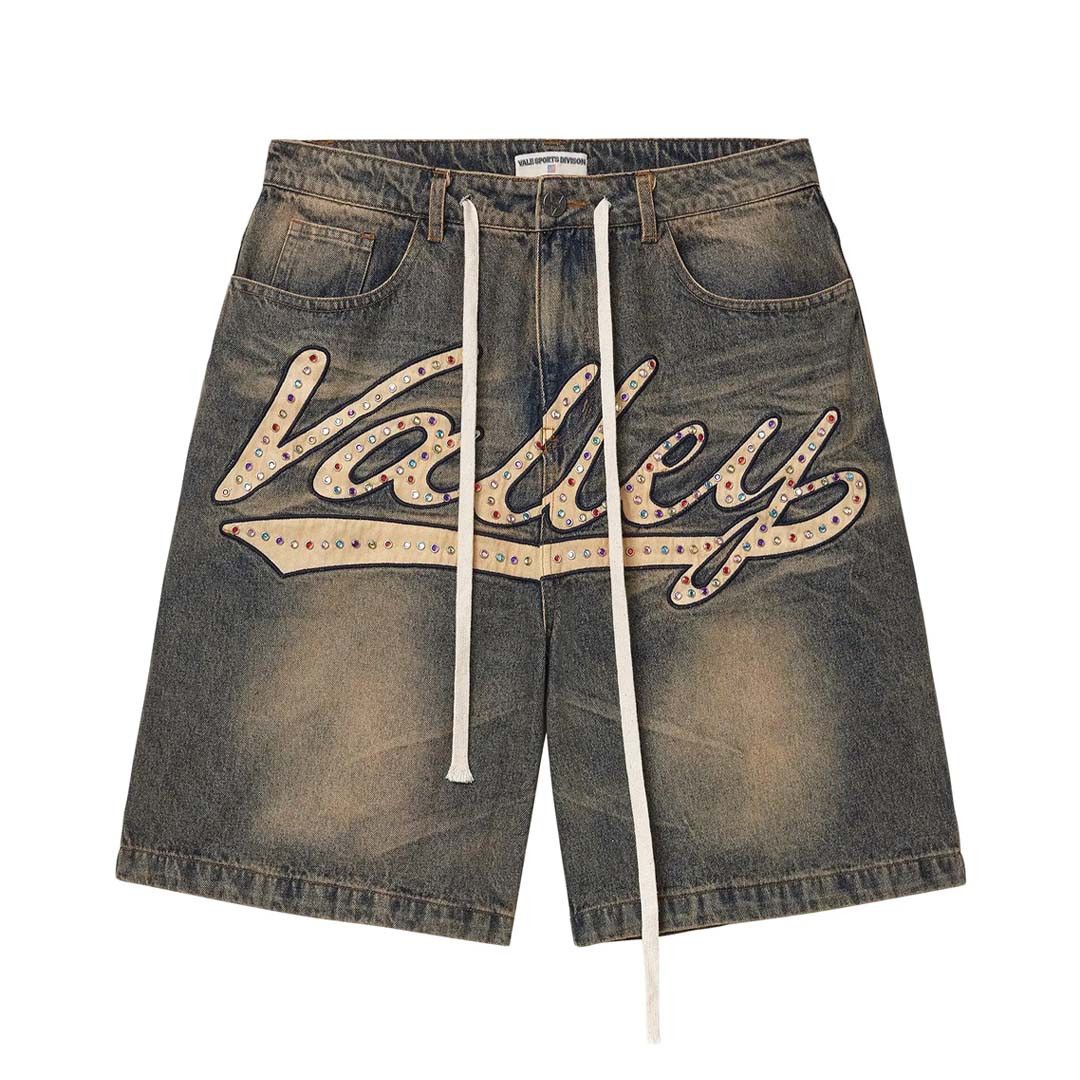
Structured on everyday staples such as hoodies, shirts, shorts, and denim-adjacent pieces like jorts, Bottega Desires is an apparel line designed with an eye toward the loose, roomy shapes that define modern streetwear.

Comparisons to Bottega Veneta are invited by the name itself, and this appears deliberate — pointing to an aesthetic lineage instead of a corporate one.

Bottega Desires has no affiliation with Bottega Veneta, carries no licensing arrangement with it, and does not use its leathers, motifs, or signature codes.

Claiming the same visual territory long borrowed by streetwear from high-fashion bottega desires tshirt labels, it exists as its own independent brand built on roomy cuts, subdued tones, and branding that comes across as self-assured rather than flashy.

Put simply, the draw comes across as straightforward. Shoppers who are chasing the design ethos of understated luxury — substantial cotton, minimal branding, considered proportions, understated logos, carefully judged fits — without the price tag of an Italian maison have driven appetite for names like this label. Bottega Desires clothes tap into that opening. Rather than being dismissed as a simple logo-driven brand, a hoodie or a pair of shorts from the line — which typically favor fabric weight and drape over showy logos — lands within the wider luxury-streetwear crossover discussion.

Explore the Core Lineup: spotlighting Pullovers, Tops, Shorts, and Jorts

That Bottega Desires hoodie piece is the cornerstone item of the range, and the logic behind it isn't hard to spot. Over the last fifteen years, the hoodie became the commercial engine driving streetwear, and the Bottega Desires line lean into that legacy with thicker cotton mixes, dropped shoulders, and a chunkier shape than an everyday workout hoodie. The cut is intended to sit oversized — layered under outerwear or paired on its own with tailored trousers — itself a modest gesture toward blending streetwear with luxury.

The shirts operate under a comparable approach: loose-fitting cuts, pared-back tonal choices, and construction details that read cleanly on camera on the kind of minimalist product shots that rule over resale and review sites. The Bottega Desires shorts and jorts extend this into warm-weather wear, both targeting buyers who want a laid-back bottom half that still comes across as upscale rather than just gym-ready. Around 2023, jorts began an unusual and stubborn revival, evolving from an ironic secondhand item into a legitimate warm-season piece sold by both streetwear labels and higher-end names, and Bottega Desires jorts sit right in that lane — built in denim with a relaxed leg, treated as a legitimate layering piece instead of a punchline.

These pieces make no claim to copy the intrecciato leather weave or the particular material breakthroughs associated with Bottega Veneta. Instead, they pull from tone, restraint, and silhouette thinking rather than trying to copy construction techniques that depend on specialized Italian leather-goods production. Anyone setting expectations before purchasing should keep that distinction in mind.

Bottega Desires Review: What Real Buyers Report

A fair Bottega Desires review needs to split apart two separate questions: does the clothing do what streetwear-luxury crossover pieces are supposed to do, and does it justify its own price point. Regarding the first point, opinions across customer reviews tends to cluster around fabric weight and fit consistency — two things that make or break a hoodie or short at this price tier. Buyers report that especially the hoodies, the heavier cotton garments retain their shape wash after wash, which is generally the top complaint leveled against affordable streetwear.

On sizing, reviewers repeatedly note the label stays true to its oversized aim — meaning if someone orders their normal size expecting a slim fit, they'll likely be surprised by the volume. That matches the general silhouette vocabulary of streetwear, but it's worth knowing before ordering rather than after. Both the shorts and jorts earn largely positive marks for length variety and reliable waist fit, two areas where affordable streetwear brands often stumble.

The area where reviews get more split is on the shirting line, with some shoppers pointing out the fabric comes across as lighter than anticipated for the price point, while others say it's exactly what they were looking for for warmer months. That kind of divide isn't unusual for a brand still refining its production reliability, and it's a sensible thing to factor in before ordering multiple pieces at once. The broad agreement across most Bottega Desires review threads is that the brand delivers fairly solidly on core style-and-craft fundamentals without passing itself off as something it isn't.

Bottega Veneta vs Bottega Desires: Setting the Record

What people are really trying to compare, Bottega Desires versus Bottega Veneta, isn't brand-to-brand at all — it's two wholly separate kinds of goods being placed against each other. The Italian house Bottega Veneta is a high-end Italian fashion house dating back to 1966, recognized worldwide for leatherwork, most notably its intrecciato weaving method, with catwalk lines and pricing tiers that mirror years upon years of craftsmanship, materials sourcing, and brand heritage. Bottega Desires operates as a contemporary streetwear label organized around cotton-based casualwear — hoodies, shirts, shorts, jorts — with no corporate or design relationship to the Italian house.

Making sense of why both exist in the same cultural conversation is where the comparison proves genuinely useful. The reason Bottega Veneta Desires searches spike is that shoppers are attempting to work out whether there's a genuine partnership or shared line between the two — there isn't one on record ; and that misunderstanding is a consequence of how design language gets adopted across price tiers in fashion right now. The muted palettes and quiet branding that Bottega Veneta popularized in its post-2018 creative direction shifts filtered down into how an entire generation of streetwear brands, including Bottega Desires, choose to present themselves.

Grouping Craving Bottega Bottega Veneta
Label category An streetwear-rooted name Luxury maison based in Italy
Main offerings Hoodies, shirts, shorts, jorts Leather goods, ready-to-wear, footwear
Signature technique Oversized streetwear silhouettes Intrecciato leather weaving
Market placement Affordable/mid-tier Top-tier luxury
Relationship No affiliation with Bottega Veneta Independent house, no link to Bottega Desires

What this really means, without complication, is that these two aren't truly rivals, and to stack them against one another fails to grasp the intent behind each brand. One markets a cultural vibe at streetwear-level cost, while the other asks prices that match decades of Italian leather expertise.

The Reason this Crossover Movement Keeps Gaining Momentum

Ever since Supreme x Louis Vuitton showed back in 2017 that heritage houses and street labels could share the same racks without diluting either brand, streetwear-luxury crossover has kept gaining traction — it's no passing microtrend. Come 2026, the notable shift is how many independent labels — Bottega Desires among them — are shaping entire brand identities around that overlapping space rather than depending on an official collab to legitimize it.

This matters for shoppers because it's redefined expectations around price and access. A generation of buyers now takes it for granted that they can dress in the stylistic codes of luxury — roomy silhouettes, minimal branding cues, monochrome palettes — without needing a four-figure budget for just one hoodie. Labels that deliver solid fabric heft, sizing you can count on, and a coherent aesthetic at affordable prices are the ones staying relevant through this change, and that's the lane Bottega Desires clothes are competing in.

What you value most determines it whether this compromise works for you: those chasing genuine craftsmanship and long-lasting leather pieces should look toward the actual luxury house, while those wanting the mood and silhouette of that world for everyday wear have every reason to try a Bottega Desires hoodie, shirt, or pair of shorts and draw their own conclusions.

octubre 26, 2026 — No Comments

Amiri Shorts On Sale Now MX1 Leather Patches

AMIRI Sneakers: Skel-Top, Stars Court and MA-1 Explained

Nothing opens this label up faster than its sneakers, and nothing is easier to get wrong. Three of the names look nearly interchangeable in a search result, and one shares its designation with a military jacket pattern that dozens of other brands use as well. Those differences are substantive, running through silhouette, upper material, motif and roughly $150 between the cheapest main model and the dearest. Only one of them is framed by the house itself as its signature. The shortlist goes side by side first, and the models follow one at a time with observed market prices attached. First-time buyers of amiri sneakers should take in the mix-ups section before they order.

The shortlist, and what separates them

Most of what this category means in practice comes down to four models. The Skel-Top Low is the leather basketball shape that wears the house bone appliqués. The Skel Court is a retro-court shoe in canvas, carrying those same bones. Star appliqués replace the bones on the Stars Court, which otherwise holds the court silhouette. The MA-1 is a leather and mesh runner that carries no bone motif at all. The table below ranges them against one another and adds a boot at the end, since it lands under footwear regularly and is not a sneaker.

Style Upper Applied detail Price observed
Skel-Top Low Leather and suede panels Hand-cut skeleton appliqués $650
Skel Court Hi Cotton canvas upper Bone appliqués cut from leather $690
Stars Court Low Built on a court last Appliquéd stars Not recorded
MA-1 Leather and mesh No motif $799
Ryder Boot Python-embossed, suede or plain leather Boot rather than sneaker $1,090 to $1,290

Skel-Top Low

House signature sneaker is the brand's own phrase for this shoe, and it appears in its own product copy. Construction is leather and suede panelling on a two-tone rubber sole, with the bone appliqués hand-cut and outlined in contrast topstitching, plus perforated detailing across the upper. Officially the upper is 100 percent leather over a rubber sole, and the shoe is made in Vietnam. Official sizing is European and runs from 40 to 48 on men's product pages. Observed now at $650, the shoe is logged on resale platforms at an original retail of $590 for an August 2020 release, which leaves any piece still amiris quoting $590 as current stale. Seen so far are Stud, MA Quad and Crystal versions, a women's version, and colourways from black through alabaster.

Skel Court Hi and Low

The Skel Court and the Skel-Top are two different shoes, and running them together is the commonest footwear mistake in this category. The silhouette is retro court rather than basketball, with a cotton canvas upper, leather bone appliqués and a moulded rubber outsole. Its arrival came far later, from the Pre-Fall 2025 season onward. It is made in Vietnam, the same as the Skel-Top, and that bears repeating since origin varies by category here. The high-top is observed at $690, a little dearer than the leather Skel-Top despite carrying the lighter upper. Pick it when the motif is wanted on a lower-volume, more summer-weight shoe.

Stars Court

Court silhouette shared, motif not, and that is the Stars Court. The low-top's official copy describes an upper illustrated with a constellation of star appliqués above a moulded rubber outsole. New colours and fabrications arrived for the Pre-Spring 2026 range, and a high-top version shows up as well. The original release year is undocumented in anything worth citing, which means any piece that names one deserves suspicion. Stars in place of bones make it the least obviously brand-specific of the four at a glance. So it is the pick for anyone who wants the shape and not the skeleton.

MA-1

The MA-1 is a sneaker, a sentence that has to be written because the same designation also belongs to a generic military bomber pattern many labels use. Here, MA is simply the founder's initials, and it prefixes several sub-lines including MA Core, MA Quad, MA Bar and MA Fit. At authorised retail the shoe is confirmed at an observed $799, and the high version carries the same figure, in black, brown and alabaster. Described in market copy as a leather and mesh runner, it sits in a lane of its own beside the court and basketball shapes. There is no bone appliqué on it, which makes it the discreet option in the line. It is also the dearest of the four main models.

Bone Runner and the rest of the range

The Bone Runner is a real model rather than a rumour, but it should not be called a current flagship. It is a retro-sports running silhouette with hand-cut and sewn skeleton leather appliqués, a metallic stamped logo on the tongue and embroidery at the side. It still turns up at major luxury retailers, and it also appears at off-price, which usually marks a model past its main run. Checks in 2026 turned up no live official product page, and the original release year is undocumented, so no date should be attached to it. Further along the shelf are the MA Skyline sneaker, the Laguna Slip-On and the M-Tech, which fill the lower and middle of the band. The Ryder Boot sits on that shelf as well, though it is a boot, observed at $1,090 in leather, $1,190 in suede and $1,290 python-embossed.

Prices observed in 2026

This category works inside roughly $420 to $800, and the Skel-Top at $650 anchors it. These are observed market listings rather than an official price list, and they shift by channel and season. In-season discounting at authorised multi-brand retailers runs 40 to 70 percent, with past-season stock going lower again through off-price arms. That structural discounting matters on resale, because standard colourways rarely command sustained premiums against a visible sale floor. Collaboration footwear and limited colourways behave unlike core stock, an observed pattern rather than a rule. This is not investment advice, and the sensible way to hold it is as footwear bought to wear.

Materials and sizing

Sizing information here is buyer-reported and retailer-guide material rather than published measurement data. Buyers consistently report the Skel-Top Low as true to size, and the brand's guidance is to take your usual size and round a half size to the nearest whole size. The amiri men footwear pages carry European sizing from 40 to 48, which is worth verifying against your usual conversion. Nothing consistent turned up from buyers on the MA-1, the Stars Court or the Bone Runner, so do not extrapolate the Skel-Top's fit across the line. In any event the materials differ enough to move fit, as a leather basketball upper and a canvas court upper do not break in the same way. For footwear the country of origin is Vietnam, unlike the denim and unlike parts of the jersey range.

The mix-ups to avoid

A small set of recurring errors carries most of the bad information here. The first is collapsing the Skel-Top, the Skel Court and the Stars Court into one shoe, though they differ in silhouette, upper material, motif and price. The second is confusing the MA-1 sneaker with the bomber-jacket designation, which produces articles describing a jacket at a sneaker price. The third is quoting stale figures, most often the $590 release price of the Skel-Top from 2020 rather than the $650 observed now. Fourth is the belief that all amiri clothing comes out of Los Angeles, when a core amiri hoodie is US-made and footwear is made in Vietnam. All four fall away in about a minute once you check the full style name, the upper material and the origin label.

Choosing between them

It comes down to how visible you want the house motif. If you want the signature and are buying one pair, the Skel-Top Low is the answer by the brand's own framing and by price position. The Skel Court does the same job in lighter canvas for slightly more. Wanting the silhouette without the skeleton leaves the Stars Court as the quieter court option. If you want no motif at all, the MA-1 is the runner, sitting at the top of the band. Anyone pairing footwear with amiri jeans should remember that Stack and Shotgun run a long inseam built to stack over exactly these shoes.

  1. Check the full style name, because Skel-Top, Skel Court and Stars Court are three separate shoes
  2. Pair the upper material to the model, with leather on the Skel-Top and canvas on the court styles
  3. Confirm the origin label says Vietnam, correct for footwear and not a red flag
  4. Compare any listing against observed full-price figures before assuming a discount is real
  5. Buy from the brand's own channel or a named stockist, because no official outlet exists

octubre 26, 2026 — No Comments

Who Is Cayman Cardiff Romance Ratings What to Expect

A Format Shaped for One Hand: Duanju at Home

Rather than a corporation, the story of Chinese short drama starts with a format. The Chinese term duanju, which "short drama" translates literally, describes vertical series framed at 9:16 for a handset held in one hand. A single title generally extends over 20 to 100 installments, with episodes lasting between one and who is Cayman Cardiff two minutes. The plots come from a dependable stock of premises: billionaire and CEO romance, revenge, identity reveals and family conflict. Being graspable in seconds counts for every one of those setups, because an entire episode has to register before the viewer's thumb scrolls on. Viewed as a business, the format answers a question regular television hardly ever had to ask, specifically how to sell a story in slices small enough to price one at a time. Under other labels, such as microdrama, vertical drama and mobile drama, English-language audiences now find the same product. This pay-per-piece logic is the thread woven through every stage of the timeline below.

2020: The NRTA Puts the Genre on the Map

The earliest milestone is administrative, not commercial. In 2020, China's regulator, the NRTA, formally recognized duanju as a genre. That move matters more than it might look, because recognition turns a shapeless category of online clips into something that can be classified, counted and overseen. A genre with a name can be tracked from one year to the next, which is what allows later statistics about the sector to be compared at all. None of it ensured commercial success, and attention from a regulator can cut both ways for a new industry. It did, however, move short drama from the margins of online video toward the status of an industry with its own data. Four years on, the data showed a sector large enough to stand comparison against the country's cinemas.

2024: When Short Drama Outearned the Box Office

The figures from inside China for 2024 are the most obvious measure of how far the format had come. Numbers published in mid-2025 placed short drama revenue in China at 50.5 billion yuan, or about $7 billion. It was the first year the sector brought in more than China's box office, a landmark crossover for an industry made of one- and two-minute episodes. The audience that year was estimated at 662 million viewers. Over the same twelve months, production companies rolled out more than 30,000 titles. That output is as telling about the industry's structure as the revenue figure is: a business releasing tens of thousands of titles a year is testing concepts at scale. It also points to intense competition, since every one of those titles is vying for the same few minutes of a viewer's day. The drive abroad, however, had not waited for this milestone, and by 2024 several Chinese-linked companies were already selling the same model abroad.

Going Overseas: The Chinese-Linked Apps Driving the Export Wave

ReelShort came first out of the gate, launching in August 2022. Crazy Maple Studio of Sunnyvale, California, manages it, and China-based COL Group supports the studio. DramaBox, developed by Beijing Dianzhong Technology and owned by that company's Singapore subsidiary, StoryMatrix, followed in April 2023. Singapore New Reading Technology brought out GoodShort in June 2023; the company is reportedly linked to Beijing New Reading Times, although that parent link rests on a weaker source. Jiuzhou Culture introduced ShortTV for the United States, Canada and Australia, along with 99TV for Southeast Asia. The evidence suggests ShortMax is the same app under a different name, although no rename has been officially announced. DramaWave, published through Kunlun Tech's Skywork AI business, was the company's entry in September 2024, and the company's FreeReels app topped global downloads in the first quarter of 2026, according to Sensor Tower. The recurring pattern is a Western-facing entity in California, Singapore or Hong Kong fronting a business whose capital or parentage traces back to China. That corporate map is mostly invisible to people who watch dramas online in English, who instead see a vertical streaming service with a free opening and a paywall.

Operator App name China connection Launch
Crazy Maple Studio (Sunnyvale, California) ReelShort Supported by China-based COL Group August 2022
StoryMatrix Pte. Ltd. (Singapore) DramaBox Subsidiary of Beijing Dianzhong Technology April 2023
Singapore New Reading Technology Pte. Ltd. GoodShort Reportedly a part of Beijing New Reading Times June 2023
SHORTTV LIMITED (Hong Kong) ShortTV / ShortMax Jiuzhou Culture; the two names appear to be a single app September 2023
SKYWORK AI PTE LTD DramaWave A unit of Kunlun Tech's Skywork AI business September 2024
Kunlun Tech FreeReels An app from Kunlun Tech Not officially confirmed; top global downloads in Q1 2026
Holywater (founded in Kyiv, 2020) My Drama No Chinese link; Fox Entertainment has held a stake since October 2025 Spring 2024

Dubbed Imports Against Western Originals

What to put in the apps became the strategic question as soon as they existed. In January 2024, China Daily reported that Jiuzhou's answer relied heavily on its domestic library. Of more than 600 mini-dramas it had produced for overseas markets, about 80 percent were dubbed Chinese adaptations and 20 percent were original overseas productions. A 70-episode series cost $100,000 to $150,000 according to the same report. Because dubbing prolongs the life of titles already paid for, it makes clear sense for a company with a deep domestic library. While Western originals cost more, with TheWrap citing $150,000 to $300,000 per series shot in eight to ten days, they reach the audience without a translation layer. That audience is specific: in October 2024, TheWrap reported that about 75 percent of ReelShort's users were women and about half were in the US. With a production team in Los Angeles, DramaBox carries titles such as Fake Dating My Rich Nemesis in its catalogue. Companies without Chinese roots have also been pulled into the originals market. The most prominent is Holywater: in October 2025 its My Drama app took an equity investment from Fox Entertainment, together with a Fox commitment to produce more than 200 vertical titles over two years.

2025 and 2026: What Market Trackers Report

By 2025 the overseas business was being tracked by several research firms, and their figures diverge in instructive ways. According to Sensor Tower, global in-app revenue for short-drama apps came to about $700 million in the first quarter of 2025, of which the United States contributed 49 percent, or roughly $350 million. Across the whole year, Sensor Tower's data places in-app revenue at about $2.8 billion to $3 billion, up roughly 115 percent; different reports of the same dataset quote slightly different totals. A wider view comes from Omdia, which puts total microdrama revenue at $11 billion in 2025, with $3 billion earned outside China, and forecasts $14 billion by the end of 2026. For 2026, Omdia also projects the US to reach $1.5 billion, half of all revenue outside China. Estimates from Media Partners Asia, reported in August 2026, put revenue outside China at $2.7 billion for 2025, $3.6 billion for 2026 and $9.5 billion by 2031. ReelShort's revenue stands at $785 million in 2025 by MPA's estimate, and MPA projects $1.05 billion in 2026, with about $40 million in net profit. MPA's market-share estimates are the most revealing for this timeline: ReelShort at about 29 percent outside China, followed by DramaBox at 21 percent, DramaWave at 13 percent and GoodShort at 6 percent, for a combined share of roughly 69 percent for four apps with Chinese links.

Reading the Timeline Forward

When the milestones are placed end to end, several patterns stand out. Omdia's figures imply that most microdrama revenue in 2025 was earned inside China, which points to the first pattern: the overseas business still looks small next to its origin. Second, growth is likely cooling: after triple-digit growth across 2025, Sensor Tower puts the first quarter of 2026 at about $750 million, up 20 percent year over year. With DramaBox and ReelShort each earning about $140 million in that quarter, the contest at the top has grown closer as well. Prices vary by country, platform and promotion, but monetization has taken on a recognizable shape, with a weekly VIP pass costing about $19.99 in the US App Store as of September 2026 for apps such as ReelShort, ShortMax, DramaWave, GoodShort and My Drama. Production is the area most likely to change next, because DramaWave, whose annualized revenue passed $700 million by the second quarter of 2026, reportedly creates more than 80 percent of its new releases with AI. A story sold a minute at a time, the product duanju producers built at home, stays the product whether dubbed imports, Western originals or AI output take the next phase.

octubre 26, 2026 — No Comments

Marc Jacobs Card Holder Care Tips Editor Approved Picks

Where the published numbers come from

Marc Jacobs publishes measurements in two different places, and the two do not always match. The primary source is the specification block on every product page, and it lists length by depth by height in inches, with a centimeter conversion alongside. The second source is a standalone Tote Bag Size Guide that lays the range out in one table, and it is the one that causes most of the confusion covered below. Each figure in this guide is a listed brand figure verified in September 2026, not something measured off a bag with a tape. Where marc jacobs card holder a figure is my own inference rather than something the label publishes, it is flagged in the sentence itself. The business changed hands on 1 September 2026, when WHP Global and G-III Apparel Group closed their acquisition from LVMH, yet the specifications were unaffected. First, a note on vocabulary: strap length, strap drop and handle drop are three different published figures, and treating them as interchangeable is the commonest error in marc jacobs sizing questions.

How do the sizes of The Tote Bag actually compare?

The Canvas Medium Tote Bag is given as 13in long by 6in deep by 11in high, or 34 by 15 by 27 cm. The Canvas Large Tote Bag is published at 17in by 6in by 13in, or 42 by 16 by 34 cm. Set the two side by side and the size of the jump becomes clear: the Large gains four inches of length and two inches of height, while depth stays effectively the same at six inches. The brand's own Tote Bag Size Guide adds a Small at 10in by 5in by 8in, and that is the only listed figure there is for that size. Since depth barely moves across the range, people comparing marc jacobs tote bag sizes should think in terms of footprint and the width of the opening, not volume in the abstract. Searches for marc jacob tote bag in the singular point to that same product line, while the label spells its name Marc Jacobs.

What does a 27-inch strap drop mean on the body?

Both the Canvas Medium Tote Bag and The Snapshot ship with a removable adjustable webbing strap given at 57in, or 144 cm. The published drop stands at 27in on both, shown as 69 cm on the tote page and 68 cm on the Snapshot page, which is a rounding difference rather than a real distinction. Drop is the vertical distance from the point the strap crosses your shoulder down to the top of the bag, so it is roughly half the total strap length once the hardware span is accounted for. On most adult wearers a 27in drop is long enough to put the body of the bag at the hip or below it rather than at the waist. Since the strap is described as adjustable, 27in is the published maximum drop rather than a fixed one, and shortening it raises the bag closer to the ribs. If you want the bag riding at the waist, expect to take several inches out of the length adjustment.

Which bags convert to crossbody, and which do not?

Here is the most significant distinction in the tote family, and it is easily missed on a listing. The removable webbing crossbody strap is included with the Crossbody, Small and Medium versions of The Tote Bag; the Large does not have it. The Canvas Large Tote Bag is published with only a handle drop, at 9in or 24 cm, and no crossbody strap is listed for it at all. By contrast the Canvas Medium's handle drop is 5in, or 12 cm, which is a hand-carry or forearm length rather than a shoulder length. With its own removable adjustable strap, The Snapshot follows the Medium's logic, and because the brand sells interchangeable straps on their own the carry position on that model is genuinely configurable. A third pattern again is The Belted Sack Bag, which has an adjustable belted shoulder strap and a handle drop of 12in, or 30 cm, as listed.

How much fits inside, and why that figure is an estimate

No capacity figure in litres or by contents is listed for any of these models, so whatever you read on that subject is an inference by someone. Mine is this, offered as an estimate rather than a brand specification: tablets go in the Medium and both tablets and 15in laptops go in the Large according to the size guide from the brand, so a slim 13-inch machine lands right at the Medium's upper limit and is the safer choice in the Large. The Canvas Medium is listed with a top zip closure, plus one interior zip pocket and two slip pockets, so small items have somewhere to live rather than sinking to the bottom. The Snapshot is published at 7in by 2in by 4in, or 18 by 6 by 11 cm, with one interior slip pocket, one exterior slip pocket and a dual top zipper. It is a bag for a phone, cards and keys at that size, and buyers on authorized retailer listings note that it is small and that the zip does not open very wide. Treat those two things as the honest expectation rather than a defect.

Why does the Tote Bag Size Guide conflict with the product pages?

In the size guide, Small is 10in by 5in by 8in, Medium is 13in by 6in by 10in and Large is 17in by 6in by 13in. Set the Medium row beside the Canvas Medium product page and the height differs: the guide says 10in, the product page has 11in. The Large row matches the product page exactly, which indicates the Medium discrepancy is an error in the guide rather than a genuine variant. The guide's Crossbody, or Mini, row looks shakier on inspection, since its inch and centimeter figures do not correspond to the other and the centimeter values repeat the Large row outright. That reads as a copy-and-paste error in the table, not as a real measurement. The working rule is simple: when the two sources conflict, trust the product-page specification for the exact style and color you are purchasing.

So what should you check before ordering clothing?

The honest answer is brief: there is no verified Marc Jacobs clothing size chart standing behind this guide, and I would rather say so than make up a conversion table. Read the size and fit information on the specific product page instead, since those are style-specific and the label does publish them for each item. The return mechanics shape how you should order, so keep them in view while you shop. US returns stand at 30 days from shipment with a free prepaid UPS label, but there are no exchanges on marcjacobs.com at all, so trying two sizes means making one order and then returning half of it rather than trading one for the other. Online orders also cannot be returned in retail shops, and the in-store and online assortments are not guaranteed to be the same. Heaven by Marc Jacobs is a separate line that has its own cut and proportions, note as well, and marc jacobs fit questions answered about the main line do not automatically apply to it.

The published numbers side by side

The table below collects only what the brand publishes, with nothing interpolated. To settle a marc jacobs bag size question faster, read it across rather than down, because the differences that matter are in the strap column as often as the dimensions column. Two very different bags, the Canvas Medium Tote and The Snapshot, have an identical 57in strap at a 27in drop, and that is why they hang at similar heights on the body. Note too that the Canvas Large is the only entry here with no strap figure of any kind. Where a centimeter conversion varies slightly from its inch counterpart, the inch figure is the one the brand lists first. Prices are deliberately omitted, since they vary by country and change without notice.

Model The listed dimensions Strap length plus drop Carry choices
The Canvas Medium Tote Bag 13in L x 6in D x 11in H (34 x 15 x 27 cm) Strap 57in (144 cm), drop 27in (69 cm); handle drop 5in (12 cm) Hand, forearm or crossbody via removable adjustable webbing strap
The Canvas Large Tote Bag 17in L x 6in D x 13in H (42 x 16 x 34 cm) No crossbody strap is published; handle drop 9in (24 cm) Hand or shoulder using the handles only
The Snapshot 7in L x 2in D x 4in H (18 x 6 x 11 cm) Strap 57in (144 cm), drop 27in (68 cm) Crossbody or shoulder, and straps are interchangeable
Tote Bag Size Guide, the Small 10in x 5in x 8in (guide figure only) Not given in the guide Includes the removable crossbody strap per the brand's size list

octubre 26, 2026 — No Comments

Coach Handbags Care Guide Leather Care Notes

Sizing Up Coach Shoulder Bags

Choosing a coach shoulder bag in 2026 means deciding between very different shapes that share one carrying position. A number of them are structured and keep their shape on a chair, but others slump softly and feel more casual. This comparison sets out the main Coach shoulder styles by shape, material, background and observed price. The prices shown are observed market prices from 2026 rather than an official Coach price list, and they move with colour, material and promotions. The comparison never fills gaps with guesses: if a launch year or a current price could not be confirmed, it makes that clear. Coach sits in the accessible luxury tier, which a US federal court treated in 2024 as a market distinct from true luxury. Read the details carefully, since every one of these bags is a considered purchase.

Seven Shoulder Styles Compared

For a first pass, the table covers the seven styles in this comparison. Instead of rating quality, the shape column describes how each bag is built. If a launch year was not documented, the background column says so, and it gives one only where one was documented. Several rows carry no number since the price column lists only figures observed in 2026. Be sure to look up the listed dimensions before buying, as the number in each style name is part of Coach's product naming. The Kisslock Frame Bag is included for its price and profile; its strap set-up could not be verified here, so check the listing to see how it is carried.

Style Shape and feel History Price observed
Tabby Shoulder Bag 26 Structured, detachable straps, Signature "C" hardware Launched 2019 $475; £475 in the UK
Tabby Shoulder coach leather jacket Bag 26 With Pillow Quilting Puffy quilted version of the Tabby Pillow Tabby introduced in 2021 Not compared in this table
Brooklyn Shoulder Bag 28 Soft, slouchy natural-grain leather Launched in August 2024 £350 in the UK
Juliet Shoulder Bag 25 Slouchy shape; glovetanned leather or Signature canvas No documented launch year Not captured
Soho Bag 25 A smaller reissue of the Soho Flap Draws on the 2006 Soho Flap Not captured
Swinger Bag 20 Zip top, short strap, turnlock Based on a 1987 Coach design Not captured
Kisslock Frame Bag Glovetanned leather with a kisslock frame clasp Opening look of the Fall 2026 show $350

Tabby or Brooklyn? Firm Shape or Soft Slouch

The Tabby and the Brooklyn sit at opposite ends of the shape spectrum, which makes them the neatest pairing here. Inspired by a 1970s archival shape, the Tabby debuted in 2019 as a structured shoulder and crossbody bag with detachable straps and Signature "C" hardware. The Tabby 26 has been observed at $475 in the US and £475 in the UK, while the line has been listed in sizes including 20, 26 and 36. The Pillow Tabby followed in 2021, sold under names such as Tabby Shoulder Bag 26 With Pillow Quilting. Introduced in August 2024 as a slouchy natural-grain leather shoulder bag, the Brooklyn has been listed in sizes 28 and 39. Coach's UK website has shown the Tabby 26 at £475, but the Brooklyn 28 has been observed at £350 at a department store in the UK. Reports say the Brooklyn 39 fits a 15-inch laptop, useful if you are after a softer shape; for structure instead, the Tabby is the pick for a bag that keeps its outline.

Juliet Versus Soho Bag 25: Two Glovetanned Options

Both the Juliet and the Soho Bag 25 make use of glovetanned leather, a finish modelled on the way a worn baseball glove softens. The Juliet is a slouchy shoulder bag that comes in several versions, including the Juliet Shoulder Bag 25 and the Pocket Juliet Bag 30. Fans of the logo pattern can also find it in Signature canvas. The date the Juliet launched was not documented, so be careful about any confident claim about its debut. A smaller reissue of the Soho Flap that Coach introduced in 2006, the Soho Bag 25 sits within The Coach Originals, a line of newly made archive-inspired bags. Go for the Juliet for its slouchy silhouette, or the Soho for a wider choice of finishes, since the Soho Bag 25 has been listed in glovetanned leather, patent and crystal jacquard.

Swinger Bag 20 or Kisslock Frame Bag? Heritage Closures

If Coach's hardware is the draw, these two styles bring the brand's heritage closures front and centre. A zip-top shoulder bag with a short strap and a turnlock, the Swinger Bag 20 is based on an original Coach design from 1987. Coach's first lead designer, Bonnie Cashin, introduced the brass turnlock closure in 1964. Included in The Coach Originals, the Swinger has been offered in versions with a chain and Signature canvas or jacquard, though its 2026 price was not captured. The Kisslock Frame Bag uses the kisslock clasp, a frame closure Coach says was inspired by vintage coin purses, and it was the first look of Coach's Fall 2026 show. At $350 in glovetanned leather, in colours including black, chocolate brown, coral red and sky blue, it has the lowest observed US price in this comparison.

How Rogue and Empire Fit In

Two other well-known Coach bags are worth placing here, even though neither is mainly a shoulder style. Built as a structured satchel with top handles and a strap, the Rogue can still be carried hands-free. It debuted on the Fall 2016 runway, was later discontinued and was relaunched in 2021. Coach has also offered a made-to-order Rogue, with a reported wait of around twelve weeks. On Coach's UK website, the Empire Carryall Bag 34, an elongated east-west carryall with top handles released in February 2025, has been observed at £475. Anyone who wants a more polished bag could be well served by either, but look at the strap options if shoulder carry is your priority.

Commonly Confused Names

Coach reuses words across its range, so a single missing word in a search can land you on a different bag. The Swing Zip, which is a separate Coach Originals bag based on a 1998 design, should not be confused with the Swinger. Keep the Kisslock Dreamer, the Kisslock Frame Bag and the Kisslock Barrel Bag apart: the three are different styles, and the Dreamer has mainly shown up as restored or upcrafted pieces through Coach (Re)Loved. The Soho Sneaker is a different item from both the Soho Bag 25 and the 2006 Soho Flap, and the Soho Bag 25 is not the Soho Flap either. The Brooklyn Carryall, a new shape reported for Spring 2026, is a distinct bag from the Brooklyn Shoulder Bag. Searching the full product name avoids most of these mix-ups when you compare coach handbags across retailers.

The Coach Shoulder Bag That Suits You

In making the right choice, how you carry your day matters more than trends. If your coach bag lives on desks and restaurant chairs and must stay upright, structure suits you. For a relaxed shape that sits close to the body, slouchy leather is the stronger fit. Budget matters too, and both a coach bags sale on full-price styles and Coach Outlet are legitimate ways to pay less. With outlet stores and an official online outlet on Coach's own website, Coach Outlet operates as Coach's own channel. Its deals have been advertised from $35 and up to 70% off; remember those are advertised figures, not guaranteed discounts. However you buy, stick with Coach stores, Coach Outlet stores, Coach's own website or authorised retailers: Coach says it does not authenticate bags for customers.

  • Pick the Tabby for structure and strap flexibility
  • Choose the Brooklyn for a soft, relaxed shape in two sizes
  • Consider the Juliet for slouchy glovetanned leather
  • Choose the Soho Bag 25 or Swinger Bag 20 for archive-inspired design
  • Pick the Kisslock Frame Bag for the lowest observed US price here