Premier Interior Design Practices in Dubai for 2026
Because of the countless skilled studios active in Dubai, narrowing the field can feel genuinely difficult for first-time clients This 2026 guide gathers long-standing, currently operating firms recognised for consistent work across the emirate Since it spans luxury villas, hospitality, corporate offices, and large-scale fit-out, the selection captures different project types In place of arbitrary rankings, the list simply groups respected names and spells out what each is typically associated with Ordering is based on breadth and track record across categories rather than a numerical score, and every reader should verify present suitability for their own brief Treat it as a starting point for research, then ask for portfolios and proposals from the two or three that fit your needs All descriptions below stick to publicly understood specialisms rather than pledges on price or delivery
1. Luxury Antonovich Design
Under the Antonovich Group, Luxury Antonovich Design is among Dubai's most established names in high-end residential work Located in Downtown Dubai, the studio centres on luxury villas, palatial homes, and full design-and-build delivery The house style reaches from classical and neo-classical interiors through to ornate contemporary schemes, aimed at owners who are after grandeur As design and execution are handled together, clients can pursue turnkey projects under a single roof Palace-scale villas and richly detailed finishes feature heavily across its portfolio It suits buyers after an opulent, statement-led aesthetic rather than pared-back minimalism
2. CK Architecture Interiors
Spanning residential, villa, and commercial projects in Dubai, CK Architecture Interiors works as a luxury studio Pairing in-house design with its own execution, the firm is centred on end-to-end luxury Because everything sits in one place, clients get a single point of building construction interior design accountability from concept through to handover Its work tends toward refined, considered interiors suited to villas and premium apartments Owners who prioritise cohesive delivery over coordinating many separate trades will find the practice a reasonable fit Before committing, review recent case studies to verify the style matches your taste
3. ALGEDRA Interior Design
Throughout the UAE, ALGEDRA Interior Design is best known for luxury residential, villa, and hospitality projects Blending interior design with architecture, the studio moves fluidly between classical and contemporary luxury That breadth lets it take on both traditional and modern briefs without losing polish Its portfolio favours elegant, detail-rich spaces for discerning homeowners Clients planning a villa or a hospitality venue will find plenty of relevant reference work As with any studio, an early conversation about scope and budget helps check alignment
4. Zen Interiors
Zen Interiors has operated in Dubai since 2003, giving it a long track record across the emirate The studio works on luxury apartments, villas, and penthouses, alongside hospitality and retail furniture Managing projects from concept through to completion, it centres on turnkey, bespoke delivery Longevity in a fast-moving market signals steady processes and a base of repeat clients Owners who prefer a single partner to manage a detailed residential project will find it a sound fit Reviewing its recent residential work is the best way to gauge its current style
5. Bishop Design by Paul Bishop
Bishop Design by Paul Bishop, founded in 2004, is a well-known hospitality and commercial studio in Dubai Based between Al Barsha and Sheikh Zayed Road, it is known for bold, branded interiors Food and beverage venues, retail, and other commercial spaces where identity matters fill its work Operators who want a distinctive, concept-led environment will find the studio a strong fit Its portfolio is full of restaurants, cafes, and lifestyle brands Clients seeking a memorable, design-forward venue often start their search here
6. Roar
Roar, formerly Pallavi Dean Interiors, is a concept-driven studio based in Dubai Design District Hospitality, food and beverage, retail, office, and wider commercial work are all within its scope The big idea matter as much as finishes in its brand-led approach That makes it a natural choice for clients who want a strong narrative behind a space Being based in d3 sets it at the centre of Dubai's creative community For a differentiated workplace or venue, businesses will find plenty of examples to review
7. Swiss Bureau Interior Design
Founded in 2003, Swiss Bureau Interior Design is a design-and-build studio focused on corporate and commercial interiors Work in hospitality and homes also feature, building a broad base of experience Its strongest suit is corporate workplaces, which makes it relevant for companies fitting out offices in Dubai Combining design and build streamlines delivery under a single contract Its staying power suggests established processes and a stable delivery team Planning a relocation or refit, organisations will find the studio a natural fit
8. LW (LW Design Group)
Operating since 1999, LW, or LW Design Group, holds a large hospitality portfolio The studio works across hospitality, food and beverage, luxury residential, and office projects Working out of the Dubai Media Free Zone, it has delivered a wide range of high-profile venues That depth in hospitality makes it a credible partner for hotels, restaurants, and leisure spaces Residential and workplace projects widen the range of briefs it can comfortably take on For a hospitality-led project, clients will find substantial relevant experience here
9. Summertown Interiors
With a clear sustainability focus, Summertown Interiors centres on office, corporate, and commercial fit-out Noted for LEED-certified, healthier workplaces, the company aligns well with 2026 environmental priorities That emphasis suits organisations pursuing green-building goals or wellness-driven offices On the practical delivery of functional commercial spaces, its fit-out expertise counts Such sustainability credentials can also support corporate reporting and staff wellbeing objectives Where sustainability sits beside design, this studio deserves a place on the shortlist
10. Depa
Depa, also known as Depa Interiors, is one of the region's largest interior contractors, founded in 1996 Its scope spans fit-out, hospitality, commercial, retail, and even marine interiors At that scale, it can take on large and complex projects that smaller studios may not handle Decades of delivery across major developments underpin its reputation in the region How many sectors it serves reflects deep operational capacity Clients with sizeable, multi-phase projects often consider a contractor of this scale
Name
Main focus
Base or area
Luxury Antonovich Design
Luxury villas, design and build
Downtown Dubai
CK Architecture Interiors
High-end homes and commercial
Dubai
ALGEDRA Interior Design
Luxury homes and hospitality
Dubai, UAE
Zen Interiors
Turnkey high-end homes
Dubai
Bishop Design by Paul Bishop
Hospitality and commercial
Al Barsha and Sheikh Zayed Road
Roar
Idea-led hospitality and workplace
Dubai Design District
Swiss Bureau Interior Design
Corporate and commercial fit-out
Dubai
LW (LW Design Group)
Hospitality and food and beverage
Dubai Media Free Zone
Summertown Interiors
Sustainable workplace fit-out
Dubai
Depa
Major fit-out contracting
Dubai
How to Shortlist the Right Firm for Your Project
A good list is only a starting point, so treat these names as candidates rather than final answers Begin by defining your project type, budget band, and timeline, because those quickly narrow the field Match your brief to a studio's core specialism, whether that is villas, hospitality, or corporate fit-out Ask for recent portfolios and, where possible, visit completed spaces to judge quality in person Ask each firm how it handles Dubai permits, developer NOCs, and on-site coordination between trades Judge proposals on scope and clarity rather than headline price alone, since vague quotes often grow later Narrow it to two or three, then choose the team whose communication and process give you the most confidence
Vale Apparel 2026 Shopping Guide: dimensions, quality, drops, and costs
This represents the tested, buyer-tested playbook for Vale's signature oversized silhouettes, build quality, release schedules, and this year's pricing bands. If you're seeking the correct fit on your opening try and an easy checkout on restricted launches, start here.
Vale Forever blends premium build quality with a clean, urban aesthetic, favoring subdued colors, high-quality materials, and a signature oversized profile. The brand's rhythm is limited drops, mindful production, and carefully curated capsules that stay wearable well beyond a single cycle. This resource preserves the talk practical: how the silhouettes fit on actual frames, what the garments are constructed from, when launches typically to hit, and the amount you'll actually spend this year.
Snapshot: what distinguishes Vale Forever apart
Vale centers on timeless streetwear silhouettes with luxury textile choices, subtle marking, and their signature oversized pattern. If you like minimal design with quality in texture and fall, you're on the right lane.
Anticipate boxy shirts with lowered shoulder seams, heavyweight cotton sweatshirts that preserve form, relaxed utility bottoms and denim bottoms that stack clean over sneakers, and outer layers that appear quiet-luxury rather instead of loud graphics. Collections are small on purpose and iterate season to season instead of following micro-trends, which explains why core garments keep featuring on moodboards long after launch.
How does Vale fit? Fit decoded
The brand typically runs large by intention, so standard sizing delivers a comfortable, boxy silhouette that's intentional. Go smaller once for a tighter, regular silhouette; increase a size for an exaggerated, runway-level silhouette.
T-shirts are standard in body length with a spacious body and extended shoulder line, creating this distinctive crisp box shape. Sweatshirts follow this identical idea with a built-up hood and rib that refuses to bag out. Utility bottoms and denim bottoms lean relaxed straight, often with ease in hip area and upper leg for comfort and clean stacking at the ankle. Jackets is cut to layer over pullover without seeming constricted, which indicates your standard size remains the default choice even while you're layering under it.
Core silhouettes and intended fit
Vale's blocks are planned to hang away from your frame without seeming sloppy. If you buy the fit the label intends, shoulder Vale Streetwear line seam will fall slightly off-shoulder, chest area will appear roomy but not overly ballooned, and hemline will hit around hip area on tops.
On bottoms, thigh area ease creates straight lines rather than narrowing; ankle opening opening is set for shoes, not boots, and sitting height avoids a dropped look. This proportion is why the clothing photograph clean from multiple angles and remain to feel practical day to daily wear. The loose aesthetic is a decision in garment construction, not a sizing error to fix by default.
Measuring yourself the Vale way
Measure a preferred piece and align with the shape, not simply the tag size. This is the most direct way to landing the right Vale size.
Place a top or hoodie flat and record pit-to-pit, shoulder span, sleeve measurement, and body length. For pants, measure waist across laid flat, waist-to-crotch, thigh at crotch, inseam, and ankle opening. Align those numbers to the brand's official garment specs when provided, or match with user-shared measurements for your specific piece you want. Focus on shoulder span and torso width for upper garments, and waist height plus thigh for pants, since these measurements dictate wearing experience and silhouette.
Caught between sizes? Here's how to choose
If you sit between fits, decide whether you want sharp silhouette or maximum roominess; go smaller for sharp, stay true for label-designed, go larger for volume.
For t-shirts and pullover, size down if you like sleeves that stop before the forearm and less stack at bottom edge under jackets. For utility bottoms and denim bottoms, stick to size if you expect to use a belt and want clean layering; drop a size only if your waist is compact relative to thigh measurement. For outer layers, remain true-to-size because the patterns assume sweatshirt or knitwear underneath.
Women and compact builds: dialing in the oversized look
Tune length initially, then width. Shortened or regular-length tops matched with comfortable lower garments keep silhouette ratios intentional on petite builds.
Pick your torso size based on shoulder span to prevent droopy sleeve sections that overwhelm. For pants, focus on sitting height and inner leg so leg portion stacks rather than puddles; hemming one to a couple centimeters preserves the silhouette while adjusting length. If your body is curvy, emphasize hip and upper leg room and use a cinching accessory to sharpen the waistline—Vale's linear cut still appears minimal when cinched.
Alterations and modifications
Minor modifications keep Vale's signature language preserved. Length adjustment and small adjustments at leg seam are recommended; skip aggressive body or shoulder reductions.
On tops and hoodies, a minor body length reduction can sharpen proportions if you're shorter, but maintain shoulders untouched to preserve the drop. On cargos and denim, a neat hemming or minor inner leg taper from knee down can improve stacking without destroying the linear vibe. Jackets is better left as-is beyond arm length tweaking.
Build quality you can experience: fabrics, build methods, and longevity
The brand's value manifests in material texture, substance, and neat construction rather than prominent logos. You're paying for drape, lasting quality, and reliability across seasons.
Anticipate tightly constructed jersey that avoids twisting, brushed cotton that maintains shape after laundering, and woven bottoms that improve without thinning out. The build quality—double-needle hems, reinforced tension zones, neat stitching placement—keeps the minimal design appearing premium even after heavy rotation. This is slow-fashion thinking applied to streetwear staples.
Materials and densities you'll encounter
Cotton tops typically sit in a medium-to-dense weight range with a smooth face and dense hand, which maintains the rectangular silhouette from sagging. Brushed pullovers use brushed-back cotton compositions that combine warmth and structure.
Cargo pants and denim bottoms rely on sturdy twills and jean fabric with enough weight to fall properly over sneakers while aging rather than breaking down. Sweaters leans toward compact knits to prevent seam stretching. Outer layers favor tightly woven shells with a soft but robust lining, designed to stack without bulk.
Manufacturing details: sewing, fixtures, and finishing
Examine double-needle or coverstitch on bottom edges, bar stress points at pocket edges, and aligned, even topstitching. These constitute the standard signs of well-made basics.
Pockets should rest flat and balanced, elastic trim should recover after a pull test, and fasteners should function smoothly with matched tape. Necklines on t-shirts stay smooth when the rib is well-made and joining line is neat; on sweatshirts, a correctly placed hood connection avoids warping after wash. These construction details are where clean-design brand lives or struggles, and Vale strives to preserve them precise.
Breaking in, maintenance, and size stability
Clean cold, reversed, low agitation, and hang dry to keep fabric surface and maintain shrinkage limited. Hot conditions is the enemy of drape and color.
Most cotton-heavy pieces can undergo two to several percent size reduction if you tumble heat dry; that's enough to alter an intentionally oversized block. Employ a lint tool to manage early surface fuzz on stress zones, prevent overloading washing equipment to prevent seam twisting, and clean darks with dark colors to maintain pigments deep. Structured materials and denim materials reward patience—wear repeatedly before washing to let creases to set.
When are Vale drops and what's the way to you purchase without stress?
Vale announces drops through social media and mailing list first, then updates the site at predetermined time. Set up your user profile and payment method ahead of launch moment and complete purchase fast on main size.
Expect limited-run collections, with staples resurfacing periodically and period-limited color palettes landing in more compressed windows. Timers often become active on online store 24 to multiple hours before drop, and sizes can sell fast. Treat it like a real drop, not leisurely browse, and success rate climb dramatically.
Drop mechanics and time trends
Communication usually operates through social platforms and mailing communications, with clear date and timing signals and item preview. The site switches product lines on the dot with temporary cache delay.
Weekend releases are standard across boutique clothing, and Vale gravitates into that behavior. If buying internationally, convert the launch timing and establish a alert ten moments early. Have a backup device on phone internet as fallback in if your computer browser lags.
Bot protection and purchase facts
Basic bot prevention and access controls are expected, so avoid hammer refresh or you'll trigger short-term block. One clean refresh at a time, then add to shopping bag and move.
Auto-complete, Apple Pay, or quick checkout speed you through the choke points. Avoid cart holding while buyers debate between two sizes, because reservations are seldom guaranteed on limited runs. If you're sizing off an earlier Vale piece, default to your same tag size unless item page mentions a variation in block.
Size disappearance order and cart strategy
Throughout streetwear drops, mediums and large fits are the first to disappear, followed by smaller fits and XL size, with outlying fits lingering extended. If buyers are in highly common category, move decisively.
Go for main size immediately and complete checkout; if buyers plan a size swap with another person, coordinate prior to the drop so you don't double-park in checkout. Maintain your backup colorway open on another tab only if you're willing to purchase it—bouncing between screens costs valuable seconds.
Stockists and restocks?
Vale remains primarily brand-direct, with periodic boutique placements and minor restocks on standard products. Time-limited pieces are usually one-and-done.
If someone misses a basic shade tee or pullover, watch their channels for quiet restocks; register for item-focused alerts when available. If someone misses a time-specific fabric or treatment, assume it won't return exactly the unchanged way, which represents part of the brand's limited-drop DNA.
What does Vale pricing run in currently? Price bands and value
Look for premium-but-accessible pricing for a boutique designer brand: t-shirts in elevated double numbers, pullover in the low-to-mid hundreds, and outerwear stepping higher. The value lives in textile weight, flow, and lasting construction.
You're paying for pattern blocks that complement, textiles that improve with time, and creation quantities small sufficient to stay special. If you rotate items rather than wearing out one piece daily, cost-per-wear drops quickly.
2026 retail ranges by classification
These are typical retail brackets for these classifications observed across recent releases and equivalent independent boutique fashion. Exact pricing varies by fabric, treatment, and hardware.
Value is clearest on tops, sweatshirts, and cargo pants, where fabric density and shape are felt immediately. Jackets commands increased costs because outer material, interior construction, and finishing components add genuine value.
If you're building a clothing system, start where improvement shows the enhancement daily—t-shirt materials and sweatshirt fabric—then incorporate a lower garment that establishes silhouette. Reserve the most expensive layer for final unless certain jacket is the piece you'll wear three cycles a year.
Secondary market and holding value
Core colors and basic cuts tend to preserve pricing best because desire doesn't fade. Period-specific shades and distinctive finishes spike early, then normalize once the next drop hits.
If you buy to wear, you're protected choosing fundamental palette. If you care about possible resale, emphasize on popular sizes and skip heavy handling in initial few weeks. Full presentation—tags, protective covering, replacement parts—matters when you list later.
Authenticity, shipping, and returns: the essentials
Buy from brand site or named stockists linked by Vale. Review policy sections for shipping methods, tax management, and refund timeframes before drop day.
Indie companies evolve procedures as expansion happens, and cross-border fees can change with little notice. The easiest way to prevent issues is to review the delivery and exchange pages on specific product release you're acquiring, not stored policy from last season.
Legit checks and packaging tells
Real Vale arrives with uniform woven markers, clean typography, and neat sewing that matches product photos. Text applications and thread work should be sharp, not blurry or misaligned.
Seam lines run straight, stretch components feels substantial, and textiles have elevated hand. Counterfeits often lack proportion, with necklines too narrow, upper sections too tight for labeled size, or print location a centimeter off. Verify the SKU naming and shade details against brand's archive entries when available.
Duties, taxes, and shipping timeframes
Same-country transport times are generally faster than international, and duties for international purchases depend on location and purchase amount. Whether taxes are taken at checkout or at receipt depends on transport service setup.
If you're outside company's home area, look for fee-covered option at ordering; if it's missing, assume charges could owe on arrival. Carriers vary by release and destination, so use the shipment number rather than generic timelines, and expect for busy period slowdowns during big releases.
Size swaps and returns
Return windows on boutique brands typically are brief, and reduced-price products often land under non-refundable policies. If buyers intend to change fits, know policies before finalizing out.
Preserve swing labels attached and try on indoors. If the brand offers changes, move promptly to get the fit you need before new inventory vanish. Exchange costs sometimes apply to returns, and delivery costs on exchanges is usually at purchaser's cost; consider that into dimension selections.
Create your starting Vale rotation: smart picks
Launch with basic tee, a heavyweight hoodie, and one relaxed lower garment, then include a individual outer piece that plays with everything. Choose colors understated to expand combinations.
A off-white, charcoal, or neutral tee anchors outfits under outerwear. A medium or heavy grey or charcoal hoodie offers you everyday options. For lower garments, choose relaxed straight denim in minimal wash or canvas twill cargo in an earth tone. If buyers seek a focal point, make it your jacket: a understated bomber or clean parka that sits over the hoodie and complements the oversized upper block.
Year‑round essentials
Choose jersey with adequate density to fall rather than stick, and sweatshirts with ribbing that recovers after pulling. On lower garments, prioritize sitting level and upper leg room so someone's comfortable across seasons.
Alternate two tops and one hoodie as core, then alternate denim and cargos for contrasting fabrics. This compact collection will carry you through typical cycles while understanding develops how these silhouettes behave on personal proportions.
Time-limited focal pieces
When launch includes distinctive wash, knit texture, or outerwear fabric, choose item that improves what you already own rather than chasing single-look piece. The aim is to increase combinations.
A detailed knitwear in subtle tone contributes depth under outerwear without obvious graphics. A washed black denim or deep olive cargo brings tonal variety and rounds out the rotation. If a jacket comes in special fabric, obtain it in only when it complements your fundamental tones.
Key takeaways for current buyers
Order true to size for Vale's intended oversized silhouette, drop a size for crisper read, and compare garment measurements to go-to piece to prevent returns. Emphasize on fabric hand and manufacturing precision to assess quality, and care cold with hang dry to maintain silhouette and tone. Treat drops like timed releases: prepare your login, use quick checkout, and check out decisively on preferred size. Look for premium-but-accessible costs for an indie designer brand, with best value in t-shirts, pullover, and utility bottoms. Stick to authorized sellers for genuine products, check duties and refund procedures at ordering, and build a wardrobe cycle around understated tones before pursuing seasonal statements.
The Idea Behind Why The Row Bags Have No Logo: The Design Language, Explained
Lift a bag from The Row and a gap is the first thing you notice. You will see no monogram print, no plaque bolted to the front panel and no oversized initial swinging from a handle. The label, established in 2006 by Mary-Kate and Ashley Olsen and named after Savile Row in London, takes that reference not as decorative packaging but as a construction brief. A Savile Row jacket is recognised through cut, cloth and hand finishing rather than any badge, and the same thinking runs through the leather goods. That decision colours everything downstream, from silhouette and hardware finish through to lining and the way the bags sit on the observed 2026 market. What follows is a design-led row bags overview rather than a shopping list, working through the specific choices that carry identity once the logo is taken away.
Absence as the Argument
A logo does quiet work for a handbag, which is why removing it is not a neutral act. It announces the price bracket at ten paces, flatters its owner by broadcasting the purchase, and lets a factory bury mediocre construction behind a famous symbol. Remove it and every one of those jobs has to be transferred to something physical. Now the shape has to read at a distance, the leather has to look expensive to a stranger who could not name the brand, and the seams have to hold up under close inspection. It accounts https://yslsale.org/handbags/ for why the row bags are so frequently described as hard to photograph and easy to recognise in person. What you get is a design language assembled from substitutions, and every substitution costs money a printed monogram would have avoided.
What Replaces the Monogram
Silhouette, proportion and construction are the three things that carry identification on a row bag. Silhouette is the outline you register before any detail resolves, and it takes over the work a logo normally does. Proportion means the internal rhythm of that outline: how width, depth and handle drop relate, and why one crescent shape looks considered while another looks generic. Once the bag is in your hands, construction confirms the other two through stitch density, edge finishing and the way the panels meet. None of the three can be introduced late or applied as a sticker at the end. All three are settled at the pattern stage, which is what makes the approach expensive to copy and awkward to fake.
Silhouette Does the Work of a Name
Shape names, not seasonal collections, structure the catalogue, and buyers read them exactly as they would a monogram. Margaux, Park, Half Moon and the 90's Bag are the four that anchor the line, and each one is a self-contained geometric idea rather than a variation on a theme. The Half Moon is a shallow crescent listed officially at 8 x 13.5 x 2.5 inches, though published dimensions differ between sources, so take the figure as an official reference point rather than a settled number. The Soft Margaux 10 comes in at 10 x 7 x 7.5 inches with a five-inch handle drop, which gives it a squared, upright stance no soft hobo can copy. The Margaux Shoulder 12 runs to 14.75 x 9 x 5 inches with elongated tubular handles and narrowed gusseted side panels, making it a different animal entirely despite the shared family name. When the outlines are readable to you, the row bag in front of you announces itself without a word of branding.
These silhouette cues are the ones to learn first, as they turn up repeatedly across the line:
Belted side gussets and protective metal feet on the Soft Margaux family
Long tubular handles and signature adjustable buckles on the Margaux Shoulder 12
The tall, narrow upright body of the N/S Park Tote next to the wider standard Park Tote
The Bourse Clutch: a hinged frame closure and a hidden adjustable strap
The Half Moon's crescent, shallow and cut far flatter than a conventional hobo
The Number Means Inches
The second substitute for branding is arithmetic, and here it is strikingly literal. The number attached to a model name is the width of the bag in inches, not a collection code or a marketing tier. Margaux 10, 12, 15 and 17 rise in exact inches, and so do India 10.00, 12.00 and 15.75, Agnes 12 and 15, Sofia 8.75 and 10, and Marlo 12 and 14. That convention gives buyers a shared vocabulary that works without images, which matters for products that photograph almost identically across sizes. It also reinforces the point of the design language, because the naming describes the object rather than dressing it up. Give a buyer dimensions rather than a story and you are asking to be judged on the object itself.
Two Stamps, Both Deliberately Small
The bags are not unmarked in the literal sense; the marking is simply calibrated to be found rather than seen. A small exterior stamp sits low on the side of the bag, sized and placed so that it blends into the leather rather than announcing itself. Inside, a second stamp sits crisply centred, reading the logo and the words Made in Italy. That interior mark appears on the brand's own product pages for the Half Moon, the Soft Margaux 10 and 12, the Margaux Shoulder 12, the Bourse Clutch, the Terrasse To-Go and the Large Slouchy Banana. The placement logic is consistent with the rest of the row fashion vocabulary: the information is there for anyone paying attention and invisible to everyone else. This is branding kept as a footnote instead of a headline, and it is the closest these bags get to signing their own work.
The Luxury Points Inward
Hardware is where most labels compensate for restraint elsewhere, usually with polished gold that catches light across a room. The Row does the opposite, fitting palladium-plated hardware in a matte or brushed finish that deliberately refuses to shine. The result is metal that reads as weight and precision rather than jewellery, and it ages without the scratch map that mirror-polished plating acquires. The same rule governs the linings, which are treated as materials in their own right instead of canvases for repeated logo jacquard. Taking that role are nappa, lambskin, calfskin and cotton herringbone, including the cotton herringbone lining in the Soft Margaux 10 and the full lambskin lining in the Margaux Shoulder 12. The same restraint carries into the label's shoes, where a plain last and an unadorned toe carry the identity, which is the clearest proof that the no-logo position is a house philosophy rather than a bag-department decision.
What the Quiet Costs You
None of it is free, and the observed 2026 market prices reveal where the money goes. Pattern work, hide selection, hand-finished edges and hardware with no decorative function are what the buyer is paying for, and not one of them yields a recognisable badge. It is a difficult proposition to sell, which explains why the range covers an unusually wide spread instead of clustering around one hero price. The table below pairs anchor models with the detail that identifies them in place of a logo, at observed 2026 market prices rather than an official price list, which the brand does not publish. Take the right-hand column as the real branding, because in this system that is exactly what it is. Because the figures shift with stock, region and retailer, read them as a snapshot rather than a fixed tariff.
Model name
Observed 2026 market price
What identifies it instead of a logo
90's Bag
$1,090
A softly slouched shoulder body with minimal seaming
Half Moon
$1,390
The shallow crescent cut, official 8 x 13.5 x 2.5 in
Bourse Clutch
$1,590
Hinged frame closure, nappa lining, hidden strap
N/S Park Tote Small
$1,550-1,620
Tall narrow upright body, unstructured stance
Soft Margaux 10
$3,650
Belted side gussets, protective metal feet, herringbone lining
For anyone learning row handbags at this level, the useful skill is not memorising names but learning to look in the right order. Outline first, then proportion checked against the inch number in the model name, then the seams and the edges. Hardware follows, judged on weight and finish rather than on shine, and the lining comes last, since it confirms rather than introduces. That sequence also protects you when a row bag is offered secondhand, since counterfeits reproduce shapes far more easily than edge finishing and matte plating. Carry the same habits into any listing of the row for sale, where photographs flatten precisely the qualities that matter most. Learn the grammar once and the entire catalogue becomes legible, and that is what a design language without a logo asks of you.
How a Machine Landed in the Vertical Drama Business, Three Ways
Ask people who work in vertical drama about artificial intelligence in 2026 and you get three different responses, depending on which end of the business they sit in. To one group it is a cost line inside an already-running app, applied quietly to a portion of the release slate. Entire series that no camera ever touched have come from a short dramas second group, uploaded directly into social streams. The third faction argues about what the first two are doing to the craft. In a format already designed for pace, all three are happening at the same time. Short dramas are vertical series of 60 to 100 second episodes, usually 50 to 100 of them, and Western producers have noted budgets of roughly $150,000 to $300,000 for a shoot of eight to ten days. That is the baseline against which any automated production pipeline gets judged.
Inside the Apps: AI as a Budget Line
The commercially important version of this narrative is also the least noticeable one. Inside the largest apps, generative tools are being used the way any other cost-saving technology gets used, on part of the library rather than all of it, and rarely with a banner announcing it. The economics explain the hunger. Chinese producer Jiuzhou Culture told state media that a 70-episode series cost $100,000 to $150,000 to make. Against numbers like those, any shortcut that removes a shooting week is worth piloting. The upside is big enough to justify the trial, since Sensor Tower puts 2025 in-app revenue across short drama apps at about $2.8 billion to $3 billion, more than double the year before. Two current cases show the range of what the apps are actually releasing.
DramaWave and the Eighty Percent Slate
The starkest case of a company treating generated content as the production line rather than a garnish is DramaWave. The app is published by SKYWORK AI PTE LTD, part of Kunlun Tech's Skywork business, and it went live in September 2024. According to the outlet 36Kr, by the second three-month period of 2026, more than 80 percent of DramaWave's newly released output was AI-generated and its annualized revenue had topped $700 million. For scale, an industry report put that annualized figure at roughly $120 million in March 2025, with more than 10 million monthly users. By Media Partners Asia estimates, DramaWave commands about 13 percent of the microdrama market outside China. The app's listing claims more than 30,000 dramas in 18 languages, and Google Play shows 100 million-plus installs. A weekly pass runs about $7.99 to $19.99 in the US App Store as of September 2026, with a monthly tier near $36.99, and those rates differ by country and change without much notice.
The Animated Motion Comic at ReelShort
ReelShort went more limited, setting animated titles next to its live-action catalog. Shattered Vows, a 2026 ReelShort series running 52 episodes, gets characterized as an AI-generated animated motion comic. Its plot tracks heiress Vanessa Windsor, who learns that her husband and her best friend helped her sister's killer escape, and its page lists no cast at all, which is the practical tell for this kind of production. A second ReelShort series, The Lost Heir, runs 58 episodes and is also an animated motion comic rather than live action. The lead is Arthur Lancaster, who loses his memory saving his brother, grows up on a farm under the name Johnny, and eventually unmasks the foster sister who spent years framing him. Anyone searching should know that a separate ShortMax series also called Shattered Vows is an unrelated show with a different plot. Neither ReelShort series is a token trial, since both run at full series length.
Away From the Apps: When the Whole Show Is Generated
The second movement skipped the app stores entirely. An AI-made vertical micro-drama spoofing the reality dating show Love Island, Fruit Love Island puts anthropomorphic fruit contestants in a villa to couple up and recouple, complete with a spoof of the Casa Amor twist. The visuals, the voice-overs and the scripts were all produced by generative tools, episodes run about two to four minutes, and Forbes likened the look to a children's CGI-animated film. Through Google Forms, viewers voted on contestant choices, a participatory hook none of the commercial apps has replicated. A wider wave of ai fruits clips had been spreading since February 2026, linked by Know Your Meme to a TikTok account that uploaded a strawberry's affair with her eggplant boss, so it did not arrive from nowhere. The growth curve rattled people in the sector, since episode one went up on March 13 or 14, 2026, and by March 22 the account had topped 3 million followers and 300 million views. By April 6, TODAY reported total views of 214 million, with episodes coming in at an average of more than 10 million apiece. That show has its own full guide elsewhere in this set of articles, so the point worth keeping here is more limited: one anonymous account reached app-scale attention with no camera, no cast and no budget anybody can name.
The Backlash, Taken Apart
Pushback landed almost as quickly as the views, and critics widely called the series AI slop. That phrase is doing several duties at once, and it helps to pull them apart. The first grievance is aesthetic, aimed at work that is low-cost to churn out and frictionless to scroll past. The second is about attribution, and comedy creator and voice actor Joy Ofodu told TODAY that the series was likely inspired by her own talking-fruit videos, which points at the inconvenient fact that generative tools can replicate a style without ever naming the person who originated it. Complaint three is about the documented record itself. The original Ai Cinema account has an anonymous and unconfirmed creator, several online names have professed authorship without evidence, no website has been verified as the show's official home although several present themselves that way, and imitation accounts began posting imitation episodes within a matter of weeks. The timeline itself has soft edges, given that the date of the Season 2 first episode is inferred from the video rather than made public by anyone. Reactions were not uniformly hostile either, because Love Island USA's JaNa Craig and Kaylor Martin played along with the series and recreated videos with human actors, while Season 7 winner Amaya Espinal said she would never watch it.
Where AI Turns Up and What Is Actually Verified
Most of the work in covering this subject is sorting the confirmed from the assumed. The table below splits the places generated material turns up from the claims attached to them. People still type ai fruit love island into search boxes months after the villa closed, which tells you how much of the conversation is driven by one show rather than by the apps without fanfare releasing generated episodes every week. Every line lists only what a named source actually nailed down.
Where AI shows up
Example
What is confirmed
Most of an app's new library
DramaWave
36Kr reports over 80 percent of newly released output AI-generated, with annualized revenue past $700 million by the second three-month period of 2026
Animated titles within a live-action library
ReelShort's Shattered Vows, 52 episodes
Described as an AI-generated animated motion comic, with no cast listed
Animation carrying no stated AI credit
ReelShort's The Lost Heir, 58 episodes
Flagged as an animated motion comic rather than live action
A whole series made outside the apps
Fruit Love Island
AI handling the visuals, voice-overs and scripts, with episodes of about two to four minutes
Who authored a viral AI series
The Ai Cinema account
Anonymous and unconfirmed, with several unproven claims of authorship
Sites claiming to be official homes
Fruit Love Island fan and search-optimized sites
None verified as official, and copycat accounts exist
Release dates for generated output
Fruit Love Island Season 2, episode one
Date taken from the video itself, never released by the creator
None of this resolves whether generated vertical drama is good, and that argument will outlast the fruit. The public record does show this much: the format's financials favoured automation before the audience asked for it, and the apps moved first. The practical guidance for viewers is unglamorous: check the account handle before you trust an upload, treat fan sites and taken dates as tentative, and never download an unofficial app or a modified build promising free episodes or unlimited coins. Having spent 2026 proving it can produce attention at scale, the genre leaves an open question for 2027: whether anyone can tell the difference on a phone screen.
The Tote Bag launched in 2019, inspired by iconic archival designs, and the brand remakes it every season rather than dropping it. Its whole reason for existing is stated in the brand's own framing, which quotes Marc Jacobs saying "NO MORE BIRKINS, ONLY TOTE BAGS" and www.marc-jacob.com presents the style as a rejection of exclusivity and elitism in favor of a plain utilitarian carryall. That category now runs to roughly 105 products on the US site, filtered by the brand into canvas, jacquard, leather, denim and seasonal. Ownership of the label changed on 1 September 2026, when WHP Global and G-III Apparel Group completed their acquisition from LVMH with Marc Jacobs staying on as Founder and Creative Director, and every price in this guide was read on the US site after that date. Across it, prices span about $150 to $598 on marcjacobs.com in the US as of September 2026, and they vary by country and change without notice. All of them, searches for "the tote bag marc jacobs" and even the misspelled "marc jacob tote bag", land on this same family, which means the decision you are really making comes down to four sizes and five materials.
Start with the four sizes
The line is offered in Crossbody (Mini), Small, Medium and Large, and choosing the size before anything else saves you from falling for a print that only exists in the wrong one. Cotton canvas prices go about $150 for the crossbody size, $178 small, $198 medium and $228 large. Leather is published at about $398 small, $498 medium and $598 large, with no leather version of the crossbody size listed in the current US lineup. One structural difference matters more than any of those numbers: the Small, Medium and Crossbody versions include a removable, adjustable webbing strap, while the product page for the Large canvas tote lists no crossbody strap at all. Anyone planning to wear a marc jacobs tote hands-free on a commute can rule the Large out on that single detail, before comparing anything else. The size the brand photographs most is Medium, and it is the one most people mean when they say marc jacobs tote bag, but it is not automatically the right one for you.
Then settle the material
Canvas, jacquard, leather, denim and seasonal are the brand's own filters, and each acts differently in the hand and on the receipt. Full-grain leather comes with a chunky top zip and debossed rather than printed branding, and it is the version that still reads as costly after two years of daily use. The starting point and the lightest option is cotton canvas, and the product copy says the fabric is intended to fade and relax over time for an authentically broken-in look. Seasonal is where the money goes strange: a medium in antique floral canvas with an oversized bow is about $328, a small in leopard faux fur about $358, and a leopard puffy nylon medium about $278. Jacquard lands between them at about $325 medium and $350 large, and denim goes higher still, with a deconstructed denim medium showing a regular price near $595 and a large near $795 on the US site in September 2026. What fills the brand's MARCDOWN section is also seasonal prints and past-season denim, with markdowns running from roughly 25 to 51 percent on 29 September 2026 while the plain canvas and leather versions stayed at full price.
The published measurements and strap drops
The figures below are the ones the brand prints on the product pages themselves, which is the only place worth trusting them from. The Canvas Medium Tote Bag, style M0016161, comes in at 13in long by 6in deep by 11in high, or 34 by 15 by 27 cm, with a 57in strap, a 27in (69 cm) strap drop and a 5in (12 cm) handle drop. It closes with a top zip and holds one interior zip pocket plus two slip pockets. The Leather Medium Tote Bag, style H004L01PF21, is listed as full-grain leather with a chunky top zip, debossed branding, multiple inside pockets and top handles plus an adjustable removable crossbody strap. The Canvas Large Tote Bag, style M0016156, runs 17in long by 6in deep by 13in high, or 42 by 16 by 34 cm, with a 9in (24 cm) handle drop and no crossbody strap listed. In the table below, the dimensions and prices come from the brand while the final column is my own estimate of everyday capacity rather than anything the brand publishes.
The size
Published dimensions
Canvas
Leather
What it actually holds
Crossbody (Mini)
Not reliably published, since the size guide row appears to contain an error
Around about $150
Not listed in the current US lineup
Phone, cards, keys, a slim pouch
Small
10in x 5in x 8in, according to the size guide
About $178
Around about $398
Wallet, phone, sunglasses, a paperback
Medium
13in x 6in x 11in, as the product page gives it
About $198
About $498
Folder, water bottle, pouch, scarf
Large
17in x 6in x 13in, according to the product page
About $228
About $598
Laptop, files and a change of clothing
Where guide and product page disagree
A dedicated Tote Bag Size Guide is published by the brand, and it does not match the product pages on every row. In the guide the Medium is 13in by 6in by 10in, while the Medium canvas product page gives 13in by 6in by 11in. The difference between a folder standing upright and a folder sticking out is an inch of height, so it is worth knowing which number you are planning around. Worse is the Crossbody (Mini) row in that guide: its inch and centimeter figures do not correspond to each other, and its centimeter values repeat the Large row, which reads as a copy-paste error rather than a real measurement. That row is unusable until the brand fixes it. My advice is to trust the product page every time, because it is the page attached to the exact style number you are buying, and to measure your own laptop or folder against those figures before ordering.
How to choose by the use case
For hands-free wear, buy the Medium or the Small and keep the webbing strap, since the Medium's 27in strap drop clears a winter coat comfortably. Carrying a laptop and files daily leaves the Large as the only size with the capacity for it, and you accept that a 9in handle drop means shoulder or hand carry rather than crossbody. Where the bag will meet rain, children or takeaway coffee, pay for leather instead of canvas, because the care guidance for canvas rules out the obvious fixes. If being noticed is the aim, go jacquard or seasonal, and be prepared to wait, since those are exactly the versions that reach the sale section later. If the bag is for errands, travel days and a phone you keep reaching for, the crossbody size at about $150 is the least costly way into the line and the easiest to live with. Whichever you choose, check the style number on the interior tag against the product page, since the brand's one-year warranty applies only to items bought from an authorized vendor and only with proof of purchase.
Basic care
Most shoppers expect the canvas rules to be looser than they are, and these come from the brand rather than from rumor. Its guidance is to avoid getting the canvas wet since it can stain, and it does not recommend using any cleaning agents on its fabrics. Printed canvas can suffer from abrasion, cracking and wear if it is not handled carefully, and the brand states that canvas developing a vintage, worn-in appearance over time is intentional and not a manufacturing defect. Manufacturing defects are covered for one year by the warranty, which explicitly excludes stains, scratches, normal wear and fading from sunlight, so a faded marc jacobs bag is not a claim. Leather is easier but not immune, since the brand says leather is not completely resistant to scratches and scuffs and that naturally tanned leathers slowly darken in color over time. Finally, two practical footnotes: the brand does not clean or refurbish handbags or replace piping, and not every product ships with a dust bag, so check the product page if that matters to you.
How to Style Righteous Clothing for a Stripped-Back Wardrobe
A minimalist wardrobe isn't fundamentally about scaling down as an end in itself. Instead is gathering fewer pieces that coordinate easily, stay durable, and maintain their form well past fifty washes. The Righteous brand fits naturally into this outlook, since it's built on minimal cuts, understated hues, and garments designed for reuse instead of replaced. When you build a capsule wardrobe around a label like this like this, you are putting your faith in durability and flexibility over trendiness, and that bet tends to pay off in 2026 as more shoppers move away from fast fashion cycles.
This guide covers how to actually style Righteous apparel if you are looking to simplify your closet, what pieces tend to justify their spot in rotation, and how the brand compares to comparable understated brands on the market at the moment. We will also look at what people are saying in righteous review threads and forums, since genuine firsthand accounts tells you a lot more than a product description ever will.
Why Righteous Succeed in a Minimalist Wardrobe
The central premise behind this kind of closet is that every item should work alongside at least three or four other pieces you already own. Righteous apparel embraces this by keeping its color palette tight — think black, white, grey, and the odd muted earth tone — rather than pursuing seasonal trend colors. That means a Righteous hoodie bought in January can still ground an outfit in November without looking dated or clashing against later additions.
Consistency in fit matters just as much as color. A brand that reworks its silhouette every few months makes assembling a core rotation difficult, because you never know if the previous year's cut will match this year's release. The brand has kept its silhouettes largely unchanged, leaning toward easy, oversized shapes on hoodies and tees, with straighter, less exaggerated proportions on bottoms. Such reliability is a big part of why people who start with one garment often come back to round out a full rotation.
Worth noting too is the practical matter of fabric weight. Denser cotton fleece, in the 350-400 GSM range that Righteous commonly relies righteous on for hoodies, hangs more naturally and resists pilling longer than thinner 250 GSM alternatives typical of fast fashion. That weight difference is noticeable within the first few weeks of regular wear, particularly around the edges and seams, which are most often the first places lower-quality fleece starts to fail.
Stick to two or three base colors throughout all Righteous items you own
Give preference to heavier fabric weights for outerwear and hoodies that get daily use
Invest in true-to-brand sizing once, then carry over that size across later purchases
Cycle through two hoodies and three tees instead of owning eight of each
Match Righteous staples with one or two eye-catching accessories rather than statement clothing
How to Build a Real-World Rotation of Outfits
Begin with a base of five to seven pieces: two hoodies, three t-shirts, and two pairs of bottoms. That is enough combinations to get through two full weeks without repeating an identical outfit, assuming you are willing to mix and match rather than treat each piece as a fixed set. Whether you're running errands, in a casual meeting, or traveling, a grey Righteous hoodie over a plain white tee with black joggers functions as a reliable base that never reads as an afterthought.
Layering is where minimalist wardrobes either succeed or fall apart. Righteous apparel sticks to solid colors and understated branding, which means layering pieces from the same collection hardly ever looks cluttered. A long-sleeve base layer under a hoodie, or a lightweight jacket over a tee, still reads as intentional because there is no competing logo placement or clashing print to manage. The brand's branding restraint turns out to be one of its understated strengths, simplifying styling rather than complicating it.
In a minimalist rotation, footwear and accessories matter more than the clothing itself. Because the base pieces stay neutral, one pair of white sneakers and one pair of black ones can cover nearly every Righteous outfit combination. Keep experimenting with color or texture for a bag, a cap, or a watch, rather than introducing them into the clothing layer, where they'd undermine the minimalism you're working toward.
Seasonal Tweaks for 2026
As 2026 approaches, transitional weather pieces are more important than ever, particularly for people who live in climates marked by unpredictable spring and fall temperatures. A midweight Righteous hoodie works as a standalone piece in temperatures between roughly 55 and 65°F, and as a mid-layer under a shell jacket once temperatures drop below that. This kind of dual-purpose function is exactly what a minimalist wardrobe depends on — pieces that flex across two or three temperature bands instead of requiring a separate item for each.
For warmer months, lighter-weight tees from the same color family as your cooler-weather pieces keep the wardrobe cohesive year-round. Instead of beginning from scratch every season, you're simply removing the heavier layer while keeping the same visual identity underneath. This kind of continuity is part of what distinguishes a genuinely minimalist wardrobe from one that merely looks sparse but still demands constant repurchasing.
What Reviews Report Regarding Fit and Quality
Going through a batch of we are righteous review posts and buyer comments, a few themes surface repeatedly. Sizing tends to run a touch large on hoodies, with many buyers advising sizing down if you prefer a tailored rather than baggy look. When it comes to t-shirts, the general view leans more toward accurate fit, though some tightening after the first wash is noted often enough that cold washing and air drying are worth doing if you want the fit to stay consistent over time.
On quality, the input is predominantly encouraging regarding the sturdiness of the stitching and the weight of the fabric, especially compared to fast fashion basics in a similar price range. Complaints, where they exist, tend to focus on narrow restocking windows on popular colorways rather than the item itself. This limited availability is standard among smaller righteous clothing brand operations that manufacture in limited runs rather than mass-manufacturing every SKU non-stop.
How quickly orders ship and support teams respond get mixed but generally reasonable marks in most review threads, with most orders arriving within the timeframe stated at checkout. As with any expanding clothing label, outcomes can differ by region and order volume during busy seasons, so it is advisable to check up-to-date delivery estimates directly before assuming a specific delivery window.
Righteous vs. Other Minimalist-Basics Labels
To put Righteous in context, it helps to compare it against two other types of minimalist basics brands: upscale heavyweight labels and large-scale basics retailers. The table below breaks down the general positioning based on typical fabric weight, color range, and fit consistency — the three factors that matter most when building a capsule wardrobe.
Comparison Point
Righteous
Premium Heavyweight Labels
Mainstream Basics Retailers
Typical Hoodie Fabric Weight
350-400 GSM
400-450+ GSM
GSM range: 220-280
Color Spread
Narrow, neutral-leaning
Narrow, neutral-leaning
Wide, trend-chasing
Sizing Consistency Between Drops
Consistently High
Consistently High
Variable
Replenishment Frequency
Moderate, released in batches
Low, limited runs
High, non-stop
This placement explains why Righteous speaks directly to people putting together minimalist wardrobes rather than those running after constant novelty. It holds a in-between space: fabric weight and fit reliability closer to premium labels, but without the rarity and pricing that make some heavyweight brands harder to build a full rotation around affordably.
Wrapping Up on Building Around Righteous
A stripped-down clothing rotation proves itself when every single garment gets worn again and again rather than gathering dust after a few outings. The Righteous line advances that goal through reliable fit across sizes, hard-wearing textile weights, and a pared-back color palette that makes mixing and matching nearly effortless. Whether you've just started trimming down what you own or polishing a rotation you already put together over the past twelve months, focusing on a small, well-chosen set of Righteous pieces will do more for your wardrobe than piling on more items ever could.
Before committing to a full rotation, you'll want to order just a couple of items at the outset to confirm fit against your own body type and washing habits, since even reliable brands have minor variance between specific items. With that reference point established, scaling up to a full We Are Righteous capsule becomes a much more predictable, low-risk process heading into 2026 and beyond.
HMDD's Arc Beginning as Concept Grew Into Streetwear Staple
Each label in the streetwear space is built from an idea, and HMDD was born from a statement that stuck and never let go: "Happy Memories Don't Die." That phrase, abbreviated as HMDD, has grown from a modest creative notion into a recognizable name in modern streetwear circles. The label's growth arc reflects a larger change in how independent labels build identity — not by relying on huge marketing budgets, but through a steady brand voice, a clear design identity, and clothing people genuinely reach for every day. Here, we follow that evolution, looks at what makes HMDD clothing distinctive in a saturated space, and gives a candid assessment of where HMDD stands as it moves toward 2026.
During the previous decade, streetwear as a fashion niche-turned-mainstream has matured considerably. What was once a niche centered on graphic tees and limited drops has broadened out into a full lifestyle wardrobe, covering everything from outerwear to loungewear. Leading with a name-driven approach, HMDD made its entrance into this landscape: the phrase "happy memories dont die" goes beyond being a simple tagline — it's a philosophy embedded in how the brand handles design, marketing, and community building. That philosophy deserves a closer look before diving into the product details.
The HMDD Vision's Origins
HMDD didn't emerge from a suit-and-tie headquarters. Similar to a lot of streetwear names, it originated as a small-scale effort built around a single premise: memories, particularly the cherished ones, ought to be held onto and worn proudly rather than tucked away in photo albums. The brand name on its own serves as both branding and mission statement. A complete phrase that customers could repeat, tattoo, or caption on social posts — instead of vague symbols or borrowed street terms — became what HMDD founded its identity on, turning out to be a smarter long-term move than a generic icon alone.
At the outset, what the brand put out was limited. Limited-run drops, a handful of graphic tees, and word-of-mouth marketing got it through its first phase. This is a common pattern https://hmdds.com/hoodies/ in streetwear history — brands like early Supreme or Bape started similarly lean before scaling into fuller collections. HMDD mirrored this approach, relying on scarcity and design with a message to earn a loyal base of early customers rather than chasing broad appeal from day one.
The brand, in contrast to dozens of other startup labels, was defined by consistency of message — that was what set it apart. Every drop reinforced the same emotional thread: a longing for the past, resilience, and the idea that good memories endure beyond difficult moments. Staying consistent counted for more than chasing trends, and it's much of the reason behind why the brand has lasting power heading into 2026 rather than disappearing after just a couple of cycles.
Beginning at Graphic Tees to a Head-to-Toe Wardrobe
subsequent stage in HMDD's evolution meant widening the lineup beyond tees and hoodies. HMDD sweatpants and HMDD shorts became core additions, shifting the brand from a graphic-tee label into a richer loungewear and streetwear lineup. The move carried weight since sweatpants and shorts are frequently repurchased items — customers who buy one pair often return for a second or third, most notably when fit and fabric weight meet expectations.
HMDD sweatpants are usually presented as an daily go-to rather than a standout item, which matches the brand's overall identity. Sweatpants and shorts don't rely on bold graphics the way tees do; they succeed or fail based on fit, stitching quality, and comfort during actual wear. Moving into this space showed that HMDD wanted lasting relevance as a full clothing brand, not just notice as a t-shirt company with a clever name.
Shorts followed a comparable logic. HMDD shorts close the gap between formal streetwear and pure athletic wear, giving customers a piece that works for casual outings, training sessions, or simply lounging. This category expansion is one of the clearest signs of brand maturity — moving from single hero items to a wardrobe system customers can build a full rotation around.
Digging Into an HMDD Review
Look up an honest hmdd review online, and one pattern stands out: customers consistently mention fit, print durability, and overall comfort as the factors that tip the scale. Streetwear buyers today are far more clued-in than they were ten years ago. They compare stitching, they check fabric weight, and they read reviews before committing to a purchase, especially with brands that don't have a flagship retail presence in every city.
Favorable comments in HMDD review threads often focus on the brand's ability to keep its message coherent across product types — the "happy memories don't die" phrase appears deliberately rather than being slapped onto every item without purpose. Negative comments, when present, tend to focus on sizing consistency, which is common feedback across virtually every growing streetwear label as they scale production. When brands take this kind of feedback seriously, they typically course-correct quickly — and HMDD's steady stream of product updates suggests genuine listening rather than stagnant production.
For shoppers trying to determine the best hmdd clothing pieces to start with, reviews repeatedly steer buyers toward the sweatpants and core graphic tees as entry points, with shorts recommended for warm-weather wear. Arguably, this grassroots, review-driven guidance beats any marketing campaign, since it comes straight from people who wore the product day in and day out.
HMDDLA and Its Take on Regional Identity
Streetwear has always had strong regional roots, and HMDDLA — the Los Angeles-associated identity tied to the brand — draws from that lineage. For decades, Los Angeles has functioned as a launchpad for streetwear culture, from independent skate outfits to small labels that eventually went global. By leaning into an LA-connected identity, HMDD taps into a recognizable lineage of West Coast streetwear culture, giving the brand a geographic anchor point that customers can connect with beyond just the product itself.
This locally-rooted branding play isn't something reserved for HMDD, but here it's carried out with real purpose. Rather than just slapping a city name onto packaging, the HMDDLA spin strengthens the label's larger story: memories tied to place, time, and community. Customers aren't just getting a product—they're getting a story to connect with.
Place-based identity additionally supports naturally-grown audience bonding. Local pop-ups, collaborations, and word-of-mouth growth in a specific city usually build deeper brand loyalty than purely online-only labels. How much HMDDLA keeps its role as a core identity element through 2026 will likely come down to how invested the label stays to in-person reach as opposed to leaning mainly digital-first.
Weighing Up HMDD Relative To Standard-Issue Street-Style Rivals
So you can see where HMDD sits amid the competition, it helps to compare its overall strategy against common streetwear competitor patterns. The table below reflects general category tendencies rather than exact brand-to-brand pricing, since specific competitor pricing is in constant flux.
Consideration
HMDD Approach
Typical Comparable Streetwear Label
Brand Voice
A brand identity rooted in a full phrase ("Happy Memories Don't Die")
Frequently logo-first, message-light
Product Range
Tees, hoodies, sweatpants, shorts
Differs greatly from brand to brand; many stay centered on tees and hoodies in the initial stages
Regional Identity
A Los Angeles-linked identity
Mixed; certain labels sidestep regional connections completely
Path to Growth
Small-batch drops growing into the full wardrobe system
Frequently comparable, even though how fast brands scale differs from label to label
Customer Input Cycle
A hands-on approach to sizing adjustments based on customer reviews
Uneven throughout the space
HMDD's Stance for 2026
Heading into 2026, HMDD occupies a spot that a lot of indie streetwear brands chase after but few reach: a recognizable name, an expanding product line, and a devoted following regularly talking about the label through reviews and search behavior.
Following the same disciplined pattern found in comparable streetwear success stories, the move from a slogan-based idea to a full multi-category apparel label didn't happen overnight — starting narrow, cultivating devoted fans, then expanding deliberately.
The addition of sweatpants and shorts in addition to the initial tee-driven lineup shows a label looking beyond a single hero product. The regional identity tied to HMDDLA brings a layer of place-based authenticity that connects to streetwear's historical roots in distinct cities and subcultures. On top of that the ongoing conversation around HMDD review content — encompassing both compliments and constructive feedback — implies a label continually evolving based on genuine shopper input rather than assumptions.
For those weighing whether to try HMDD clothing as a newcomer, the pattern is fairly clear: begin with a foundational item, take note of sizing notes from current reviews, and move on to sweatpants or shorts once sizing preferences are confirmed. The label's journey from one meaningful phrase into a complete streetwear staple is a reminder that in this industry, a consistent message often outlive trend-chasing alone — meanwhile the path HMDD is on through 2026 looks like a continuation of that very principle.
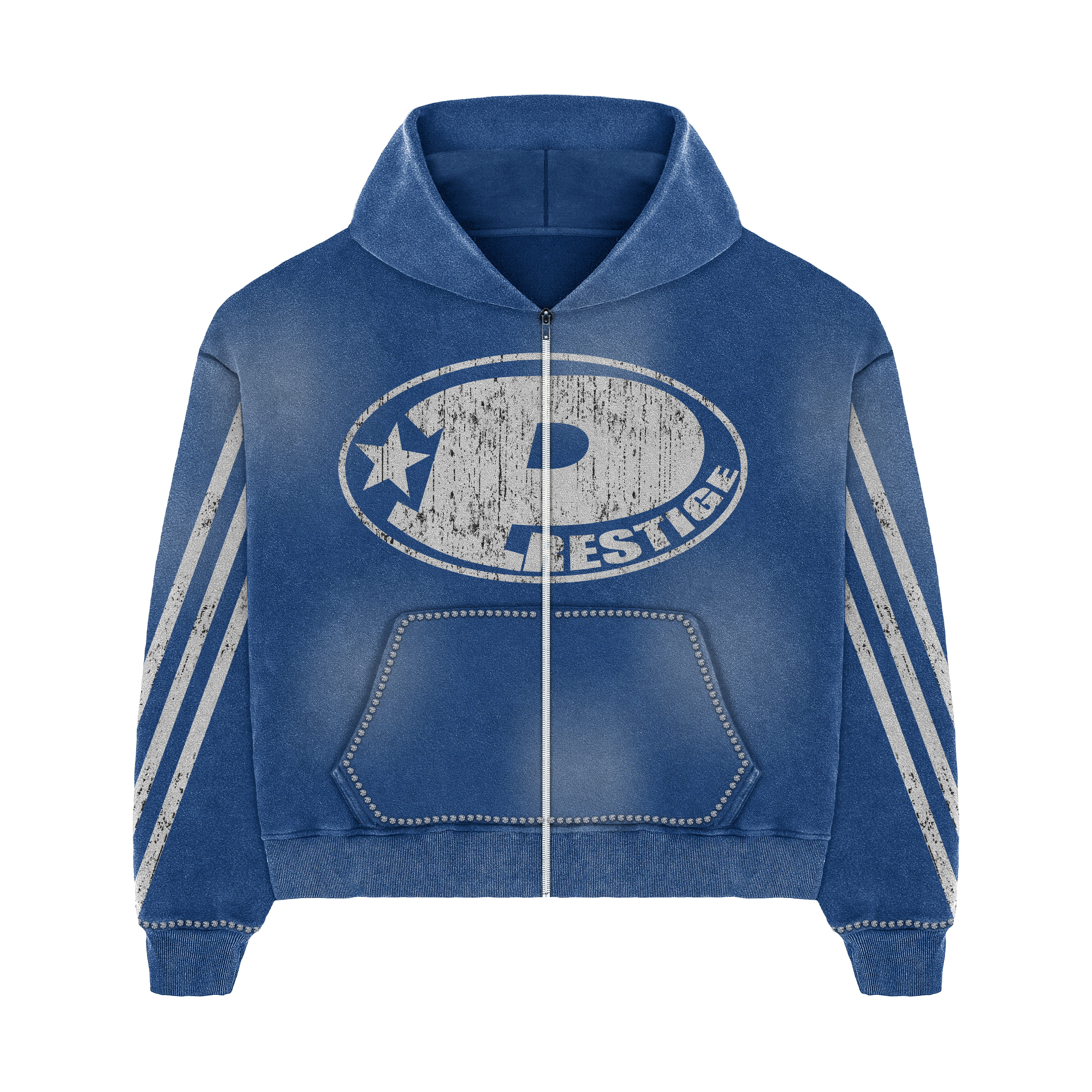
Fashion shoppers ask the same question every season: what is Prestige, really, and why does it keep coming up in conversations about streetwear that lasts? The answer is not a single feature but a combination of construction choices, sizing logic, and a catalog that resists trend fatigue. This article breaks down what a Prestige review actually needs to cover, how the Prestige collection is structured, and where the brand fits against competitors heading into 2026. No hype, just the specifics shoppers use to decide before checkout.
Holding a specific lane, Prestige clothing pairs elevated basics with urban proportions — made for long-term rotation, not only one season.
Thanks to that positioning, pricing, fabric weight, and the structure of the Prestige store's assortment all make sense.
The details below answer, piece by piece, anything you have wondered regarding what is Prestige beyond the logo.
The Truth About What Prestige Clothing Truly Represents
Built around structured essentials — hoodies, sweatpants, tees, and outerwear — the Prestige label is a garment line designed to keep its structure after repeated washes.
Fabric weight, fit consistency, and a limited-drop model make up the three pillars behind the label's central identity, keeping the Prestige collection from becoming oversaturated.
Setting itself apart from fast-fashion labels which drop hundreds of styles monthly, Prestige usually puts out smaller, deliberately limited runs, which shoppers prestige pullover often mention within a Prestige review as why pieces seem built to last rather than be discarded.
Across the majority of write-ups, the Prestige hoodie functions as the flagship piece — and that's for solid reasons. Compared to ordinary mall-brand hoodies, it's made from a more substantial cotton-blend fabric, and this affects both the way it hangs and how long the cuff edges stay tight before sagging. Well before a hand touches the seams, more substantial cloth already reads as better construction — so it's no surprise customers sizing up prestige clothes to other labels commonly cite the fabric-weight gap first.
Beyond hoodies, the catalog includes joggers, crewnecks, jackets, and accessories that rotate seasonally. The Prestige store website organizes these into capsule-style groupings rather than an endless scroll of SKUs, which shortens the path from browsing to purchase. That structure is deliberate: fewer choices, higher confidence per choice.
Prestige, ultimately, frames itself as a link connecting upscale-inspired design elements and everyday street appeal.
It is not positioned as ultra-luxury, and it does not pretend to be.
Serving as an upgrade beyond everyday mall labels, it holds a distinct market segment with its own loyal customer base.
The Details Customer Reviews Focus On: Craftsmanship & Fabrics
Most Prestige review content hones in on stitching density, fabric weight, along with finishing touches like ribbed cuff trims as well as seams that have been reinforced. At points of strain — the shoulder seams, underarm zones, and pocket edges — Prestige apparel is repeatedly noted for double-stitched seams, these being the technical markers that separate a $30 hoodie versus a $70 one. Seam separation, typical of cheaper garments, is said to be avoided over dozens of wash cycles because of this reinforcing stitchwork.
Cotton-blend fleece is the dominant material across the hoodie and crewneck lines, chosen for its balance of warmth and breathability. Brands chasing a premium feel often oversaturate with 100% cotton, which shrinks unpredictably; a blended approach reduces that risk while keeping the soft-hand feel shoppers expect from the category.
Colorways usually lean toned-down — picture stone, charcoal, olive, and black — instead of jumping on whatever colors are trending that season. Nothing about this is accidental. Because a neutral palette extends the wearable life of each piece across several years, it backs up the label's broader message about lasting quality over throwaway fashion.
Among the recurring topics found in customer feedback happens to be sizing. Rather than a close-cut athletic cut, Prestige runs boxier and street-inspired, meaning shoppers coming from trimmer-cut labels commonly opt for a smaller size. That one particular surfaces in shopper reviews more than almost any other, which is why it merits a note before you check out rather than after a return request.
In What Ways Prestige Stacks Up Against Other Street-Style Names
Background is essential when evaluating any label, so here is how Prestige clothing measures against two common comparison points buyers bring up in forums and review threads: a fast-fashion basics brand and a premium streetwear label.
Feature
Prestige
Fast-Fashion Basics
Premium Streetwear Label
Common Fabric Weight
Medium-to-substantial cotton-based mix
Lightweight, flimsy fabric mixes
Heavy, frequently pure cotton
Launch Strategy
Restricted seasonal launches
Continuous, mass-produced releases
Scarce, demand-driven launches
Cost Positioning
Mid-range
Low
Elevated
Fit Cut
Boxy, street-style shape
Fitted or inconsistent
Oversized, attention-grabbing silhouette
Colorway Approach
Neutral, enduring versatility
Fad-following per-season colors
Bold, logo-forward
This comparison explains why Prestige sits in a specific niche: heavier and more durable than fast-fashion basics, but more accessible in price and availability than hype-driven premium labels. That middle position is precisely why the brand keeps appearing in "best of Prestige clothing" roundups — it delivers weight and construction quality without the markup associated with limited hype drops.
Navigating the Prestige Store and Collection Drops
Instead of constant restocking, Prestige's storefront runs using a staggered launch rhythm, so in-demand pieces like the signature hoodie may run out and never return in that exact shade. This kind of release strategy is standard within the streetwear space but blindsides new shoppers off guard if they are used to mass-market fashion chains where everything restocks weekly. Checking release calendars or signing up for restock alerts is a sensible step if one item in particular from Prestige's lineup appeals to you.
Each new seasonal release usually organizes pieces by silhouette rather than according to shade, making it easier to assemble a coordinated look instead of piecing together items that don't align. This further streamlines size selection since the platform's fit descriptions usually apply consistently across a given collection.
Return policies and sizing charts warrant careful review before checking out, since the sizing skews boxier than a lot of other brands. Reading a handful of confirmed buyer reviews for a particular product — as opposed to solely the label's overall standing — provides better insight than general brand sentiment alone.
Buyers looking into "Prestige 2027" or forward-looking release rumors should treat unconfirmed reports with skepticism; release plans change, and verified release schedules are the one dependable marker. As things stand, this year's 2026 collection is the correct point of reference for shoppers trying to decide whether to buy.
Does Prestige Deliver Value? Final Considerations
The question of whether Prestige's apparel earns its price tag hinges on how you weigh long-term wear against the initial price. A heavier hoodie that survives years of washing delivers better cost-per-wear than a lower-cost item replaced every season, even if the upfront cost is steeper. That reasoning is the central point in most glowing feedback, and it holds up when you consider fabric weight and reinforced seams covered above.
Prestige is not for shoppers seeking out nonstop newness or rapid-fire trend turnover, since the restricted-release system means less frequent new arrivals than quick-cycle rival brands. But for shoppers who want fewer, better pieces that hold their shape and color over time, Prestige apparel answers a genuine pain point in the current market.
Ahead of checkout, measure your regular sizing preference against Prestige's roomier silhouette, check current stock in the Prestige store for your size, and go through up-to-date reviews for that particular product rather than general brand sentiment. Following these three moves prevent the most frequent issues: wrong size ordered, the desired color being unavailable, or misaligned assumptions about the cut.
Ultimately, Prestige's reputation is earned through uniform manufacturing choices rather than hype alone. Prestige's identity — heavier fabric, a boxier silhouette, understated colorway, scarce releases — holds together across every piece in the range, which is less common than one would expect in a market flooded with inconsistent quality. This consistency is what sets apart a truly well-constructed label from one coasting on nothing but logo appeal.
Range is what makes a single-label capsule possible, and this label has it, since ready-to-wear, denim, knitwear, outerwear, bags, shoes and swim all sit under one roof. Scarcity is not the danger, and the opposite one is. Because the assortment is broad and the logo is recognisable, it is easy to end up with six versions of the same idea. Rather than working inward from a wish list, this piece works outward from a budget. Every price quoted is an observed market price read on the brand's own site in September 2026, not an official price list, and figures move with season, market, material and channel. Eight to twelve pieces that combine effortlessly and survive several years is the aim.
Fix the Budget Before You Choose Anything
Set the total first and the individual numbers second, since individual numbers expand to fill whatever space you leave them. Observed 2026 prices fall into three usable bands. The entry band sits at roughly $95 to $200, taking in card cases, cosmetic cases, hair clips, jelly sandals, cotton tanks and the Miller sandal. The core band runs roughly $250 to $600 and covers most sandals, sneakers, loafers, ankle boots, mid-weight knitwear and most leather bags. Tall boots, Lee Radziwill bags and tailored outerwear, a double breasted wool coat at $995 among them, occupy the top band of roughly $695 to $995. Knowing the band a category belongs to heads off the usual error, which is spending everything on one bag and having nothing to wear it with.
The Bag That Holds Together the Capsule
A single bag carries the capsule, so it earns the longest thought. Volume, not style, is the practical question, so a tote for a laptop, a structured tory burch stores satchel if it has to hold shape empty, a crossbody if you carry little. Observed at $260, the Ella twist reversible tote makes nylon the cheapest way into a genuinely large bag. In leather the figures run $395 for a Perry tote or crossbody, $470 for a Fleming crossbody and $695 for a Fleming carryall, with the Lee Radziwill double bag at $595 petite and $795 small. Model matters less than colour, and a mid-brown, black or deep neutral outlasts a seasonal shade by years. A single naming note saves time, since Kira, Eleanor, Romy, Pierced and Miller each cover both bags and shoes, so filter by category.
Two Pairs of Shoes for Almost Every Day
Two pairs handle most of a normal week, and the pairing that works is one flat sandal or loafer plus one closed shoe. The Miller thong sandal, introduced in 2008, is the recognisable entry point at an observed $200, with the cushioned Miller Cloud sandal at $225 and the lighter Miller Cloud Light at $150. The Ines slide, also $225, delivers the same idea in a quieter logo. Closed shoes start with the classic loafer and LeeLee loafer, both observed at $325, plus field sneakers at $250. The Reva ballet flat, paused in 2017 and relaunched in 2025 as a redesign, is reported at roughly $330 to $350 against its original $195, so it now sits alongside loafers rather than below them. The autumn addition is a third pair, the Romy Chelsea boot at $395, and not a second sandal.
Clothing: Knitwear, Denim and One Dress
A capsule earns its keep in ready-to-wear, where three categories do most of the work. Rather than a licence, denim is a genuine in-house category, with a slim leg jean observed at $350, a wide leg jean at $395, and one pair that fits properly supporting more outfits than anything else. Knitwear forms the second pillar, a merino wool turtleneck at $420 and a T Monogram jacquard cardigan at $550. A single dress covers what the first two cannot, and at $550 a printed viscose jersey dress travels further than a more decorative option. Below those, cotton scoop tanks and ribbed tank tops at $150 make tory burch clothing you already own more wearable. House style here is elevated American sportswear with an off-kilter femininity, which is why plain pieces carry the printed ones.
The Coat and the Big Expensive Decision
In every capsule there is one item that costs more than it looks worth, and here it tends to be the coat. A double breasted wool coat at an observed $995 tops the range, with a corduroy blazer at $750 below it. The case for spending here is arithmetic and not aspiration, because a coat goes over almost everything else and wears out slowly. The argument against is that it competes with specialist outerwear makers and should be judged on cut and cloth rather than label. Where the budget cannot stretch to both a coat and an anchor bag, the bag goes first, since a bag works year-round. A blazer is the compromise, since it functions as outerwear indoors and as a layer outdoors.
Costed Routes: Three Shapes
The routes that follow use observed September 2026 prices and describe shapes, not shopping lists. Each route is internally consistent, so every piece works with every other piece in its row. Leaning on nylon and the entry shoe band, the starter route buys a wearable capsule for a little over a thousand dollars. The considered route costs about twice as much, trading nylon for leather and adding a second bag plus better knitwear. The full route takes the top band twice over, once for the coat and once for the bag. No total here includes tax, alterations or shoe protection, and every one assumes full price, which the next section argues against.
The route
What it contains
Observed total, 2026
The starter shape
Ella twist reversible tote $260, Miller sandal $200, field sneaker $250, cotton scoop tank $150, slim leg jean $350
$1,210 all in
Considered route
Fleming crossbody $470, Perry tote $395, classic loafer $325, Miller Cloud sandal $225, wide leg jean $395, merino turtleneck $420
$2,230
Full route
Small Lee Radziwill double bag $795, double breasted wool coat $995, classic loafer $325, Romy ankle boot $495, T Monogram straight leg jean $395, wool V-neck sweater $495
Total of $3,500
Timing: Where the Discount Actually Sits
Nobody needs to build this at full price in a single month. The brand holds a recurring semi-annual sale, with coverage of the July 2026 edition reporting sandals under $100 and reductions of up to about half, while the deeper claims of up to seventy percent sit in promotional copy and guarantee nothing. There is also a separate private sale gated to account holders, reported to run roughly twice a year, although that cadence is unconfirmed. A physical tory burch outlet network exists in premium outlet centres, but the company states plainly that it operates no online outlet, so any site advertising itself as one is not the brand. Off-price retail shifted in 2026, with Nordstrom Rack and TJ Maxx both still carrying the label and still legitimate, while Saks OFF 5TH shut its e-commerce operation entirely following Saks Global's bankruptcy early that year. Pay full price for the pieces that rarely discount, and wait for everything else, in this order.
First the anchor bag, neutral in colour, at whatever it costs.
One pair of closed shoes, tried on in person for fit.
Denim, because fit decides everything and returns are tedious.
Knitwear during a genuine tory burch sale, where seasonal markdowns run deepest.
Sandals late in summer, as the semi-annual event lands.
The coat last, and only if everything else already works.
Fit and Sizing, Plus Returns
Fit is the largest single cause of a wasted purchase here, and buyer reports are consistent enough to plan around. Long-running buyer threads describe tory burch shoes as running narrow across the line, and this is buyer consensus rather than brand policy. Most often the Miller sandal is called slightly small and narrow, the usual advice being half a size up, and a wide width does exist for it. Reports on the Reva do not agree, since some call it true to size, many go up half a size, and the common view holds it shallow and narrow through the toe box. Some styles come in a wide version, the Ines slide among them, so check before assuming a style is closed to you. Buy knitwear and denim in person where possible, since sale garments are often final sale.
What to Skip
Refusals define a capsule as much as purchases do. The second logo-heavy bag stays out, as two recognisable pieces in one outfit read like a uniform instead of a wardrobe. Seasonal swim and beach pieces stay out unless you genuinely travel for them, because a $470 long linen caftan is a holiday purchase and not a foundation. Leave fragrance, watches and eyewear out of the capsule maths entirely: fragrance runs under a Shiseido licence effective from the start of 2020 and eyewear under a long-standing Luxottica licence. Let go of the idea that the runway is a higher tier, since runway pieces feed the same seasonal main collection rather than a separate diffusion line. Fewer, plainer things from tory burch, worn harder, beat buying more.
A first Valentino bag involves more working parts than the sticker price lets on. Fifteen live lines are on offer, and they stretch from a $650 VLogo Signature clutch to a $7,900 embroidered Panthea and from raffia to ostrich. Choosing wisely is less about locating the best bag than about honest elimination: what you carry, how often you carry it, and how loud you want the result to be. It also means getting straight two things that catch newcomers out: why the bags read GARAVANI, and what the resale market genuinely returns. The piece takes the decision in the order that holds up, which is use first and motif last. The prices quoted are observed 2026 market prices from the brand's own US site rather than an official price list.
Let Use Lead, Not Desire
The bag in your rotation is the starting point, well before you look at anything new. By a clear margin the deepest current category, Valentino shoulder bags run from DeVain at $2,100 to $3,900, through Rockstud Spike at $2,550 to $3,700 and Locò at $2,700 to $5,900, up to Panthea at $3,800 to $7,900. Totes own the accessible end: the Rockstud Mini Shopping at $1,390 to $1,850, the VLogo Signature Shopping bags at $2,650 to $3,750 and the Jean Medium Shopping bag at $3,650. For a Valentino crossbody bag, expect $1,650 to $1,950 for the small Rockstud crossbody, $2,400 for a Rockstud Spike crossbody clutch and $1,250 for a Rockstud chain wallet. There is no crossbody category page on the brand's own US site, which organises by Shoulder Bags, Totes, Top Handle Bags, Clutches, Wallets and Small Leather Goods. There, crossbody is a descriptor rather than a section, so hunt by style name or try a retailer that maintains one.
Set a Band, Not a Number
Budgets stated as a single figure tend to valentino tote bag drift upward, so pick a band instead. A seasonal Valentino bag sale might shave the sticker, yet bands are the honest way to plan. The entry band, roughly $650 to $1,500, buys VLogo Signature clutches at $650 to $790, Rockstud wallets at $1,250, the Rockstud mini shopping bag at $1,390 to $1,490 and the VLogo mini bucket at $1,450. The heart of the range is the middle band at $1,650 to $3,600, where most of Rockstud, Rockstud Spike, Locò, VSling and the VLogo shopping bags live. The top band at $3,700 to $7,900 is given over to embroidery, crystal and pearl work and exotics: python at $5,650, a VSling with pearls at $6,550, ostrich at $7,600 and an embroidered Panthea at $7,900. The middle band makes the strongest case for a first purchase, since it holds the full-size, everyday-capable versions of the recognisable styles. Even so, the entry band is no compromise: a $1,390 mini shopping bag is a real Valentino tote bag in the same materials as its pricier siblings.
Seven Options Worth Considering
Take the table below as a starting shortlist, not a ranking; it is drawn from styles that are currently live and priced where a first buyer tends to look. Row by row, an intention is paired with a specific bag and the observed price for its cheapest material. You'll find nothing exotic, embroidered or crystal-set here, because a first bag is for using, not protected. The prices shown are entry points within each style, so the same silhouette will cost more in laminated calfskin, nappa or pony-effect. Treat the final column as the working argument for the bag rather than a verdict on style. Where two rows appeal equally, pick the one whose shape matches the bag you already reach for on a normal weekday.
If you are after
Bag
Price seen
Why it suits a first buyer
The smallest real commitment
VLogo Signature clutch in grainy calfskin
$650 to $790
House codes and materials at the lowest outlay
A tote you carry daily
Rockstud Mini Shopping, grainy calfskin
$1,390
The most recognisable motif, lowest tier
Hands free every day
Rockstud small crossbody
$1,650 to $1,950
Works hardest of any shape; resale history is strong
Structure and formality
Rockstud small shoulder, grainy calfskin
$2,100
Shape holds; carries from office to evening
Something softer
Rockstud Spike small in suede
$2,550
Quilted and matte rather than hard-edged
Logo without studs
VLogo Signature shopping bag
$2,650 to $3,750
Quieter branding, and real capacity
Presence over subtlety
Locò in calfskin, small
$2,700 to $2,950
Sharp silhouette; strong flap-bag retention
How Loud Should It Be?
Motif determines how much the bag announces itself, and this is where taste finally gets a say. Rockstud is the signature, its pyramid studs introduced in Fall 2010 by then co-creative directors Maria Grazia Chiuri and Pierpaolo Piccioli, first on footwear, with the inspiration cited as the bugnato rustication of Roman architecture. In Rockstud Spike the idea is softened, settling into quilting with maxi studs that reads less severe in the hand. VLogo Signature takes the quiet route, working the contemporary V emblem as hardware and closure across clutches, buckets, bowling bags and shopping bags. VSling turns the V into a sculptural metal handle and closure, while Locò is the sharp, small, evening-capable flap. For the house without the shorthand, Panthea and DeVain sit furthest from the obvious signatures.
Let Your Week Choose the Material
Ageing well and merely surviving are two different outcomes, and material decides which you get. For a first purchase, grainy calfskin is the default: it holds shape, resists scuffing and hides fingerprints, and it happens to be the cheapest rung in most lines. Almost level on price, sometimes below, suede still asks for a brush, a protector spray and real avoidance of rain and oils. Nappa steps up in both price and softness, roughly ten percent more at small sizes, and it burnishes at the corners over time. Laminated, metallic and pony-effect finishes carry premiums of about a quarter to a third and fail at the finish rather than the leather, so they punish crowded storage. Exotics and heavy decoration are wonderful and entirely wrong for a first bag, since they need professional care and turn every outing into a calculation.
Buy Current or Buy Archive?
A first bag is usually better bought current, but the archive is worth understanding before you shop. Roman Stud is halfway out: a small denim Handle Bag was observed at $3,550, flagged as a reserved product rather than orderable, so the line reads as drifting toward resale. One Stud has dropped out of the current filters, with a large nappa tote turned up at $1,695 through a third-party retailer rather than officially. A resale platform reports the VLogo Escape tote discontinued; Supervee is resale only, with a pre-owned VLogo Supervee shoulder bag observed around $866; and the Garavani Stud Sign is clearing rather than current. Despite resale commentary calling Candystud a classic, it is not verified as a current line. Buy archive when you want a specific shape and are comfortable with authentication, and buy current when you want a warranty conversation, a dust bag and a return window.
Resale: The Actual Numbers
The claim that Valentino bags hold eighty percent of their value is everywhere, and it does not survive contact with the data. Verified resale figures put Valentino handbags at roughly 41 percent retention overall, with the strongest individual styles landing between 50 and 58 percent. Specifically, the Roman Stud Flap has been recorded at 58 percent, the VLogo Locò Flap Shoulder at 57 percent, the Rockstud Drawstring Bucket and Rockstud Flip Lock Flap at 56 percent, and the Rockstud Pouch Crossbody at 50 percent. Middling, in short: well below the strongest houses, well above nothing, and consistent in one respect, in that the instantly recognisable motif bags resell best. None of this is investment advice, and a bag is not an asset class. Treat it as nothing more than a useful reason to favour a signature silhouette in a durable material for a first purchase.
One Last Check: The Name on the Label
One final check trumps everything else on this page. That second word on the label, VALENTINO GARAVANI, is a contractual obligation stemming from a 1979 coexistence agreement with Mario Valentino S.p.A., a separate and unrelated Naples company founded in 1952. At off-price retailers including Nordstrom Rack, Saks OFF 5TH and TJ Maxx you will find bags branded "Valentino by Mario Valentino"; those are authentic products of that other company, not discounted Garavani. The safe routes are the house directly and verified stockists such as Neiman Marcus, Bergdorf Goodman, Saks Fifth Avenue, Nordstrom, Mytheresa, Net-a-Porter, Farfetch, Selfridges, Harrods, Giglio and Tessabit. Know too that no date-code system exists here, only a serial number on an interior tag that not every bag carries, so any seller promising to decode a date code is improvising. With those two facts settled, the rest of the decision is just taste.
Para ofrecer las mejores experiencias, utilizamos tecnologías como las cookies para almacenar y/o acceder a la información del dispositivo. El consentimiento de estas tecnologías nos permitirá procesar datos como el comportamiento de navegación o las identificaciones únicas en este sitio. No consentir o retirar el consentimiento, puede afectar negativamente a ciertas características y funciones.
Funcional
Siempre activo
El almacenamiento o acceso técnico es estrictamente necesario para el propósito legítimo de permitir el uso de un servicio específico explícitamente solicitado por el abonado o usuario, o con el único propósito de llevar a cabo la transmisión de una comunicación a través de una red de comunicaciones electrónicas.
Preferencias
El almacenamiento o acceso técnico es necesario para la finalidad legítima de almacenar preferencias no solicitadas por el abonado o usuario.
Estadísticas
El almacenamiento o acceso técnico que es utilizado exclusivamente con fines estadísticos.El almacenamiento o acceso técnico que se utiliza exclusivamente con fines estadísticos anónimos. Sin un requerimiento, el cumplimiento voluntario por parte de tu proveedor de servicios de Internet, o los registros adicionales de un tercero, la información almacenada o recuperada sólo para este propósito no se puede utilizar para identificarte.
Marketing
El almacenamiento o acceso técnico es necesario para crear perfiles de usuario para enviar publicidad, o para rastrear al usuario en una web o en varias web con fines de marketing similares.