octubre 27, 2026 — No Comments

Eric Emanuel Sweatsuit Value Guide Exclusive Access Granted

Eric Emanuel Tracksuit 2026: The Essentials

eric emanuel tracksuits merge luxury fleece, 90s sportswear aesthetics, and a contemporary fit that is relaxed up above and tapered beneath. For 2026, the playbook is simple: learn your size, prepare for Friday release windows, style deliberately, and verify legitimacy with a quick construction-and-label check.

The brand's formula has not changed: heavyweight cotton fleece, coordinated colorways, meticulous stitching, and crisp branding deliver a high-end set that transitions from couch toward courtside without faltering. Tracksuits tend to release in colder seasons with unannounced capsules sprinkled over the year, plus they sell rapidly. Approach 2026 via a measured plan—fit first, calendar second, style 3rd, and authenticity always.

How can ee tracksuit fit really fit?

eric emanuel tracksuits usually run true regarding size with a slightly relaxed, sport-inspired top silhouette with a tapered, elastic-waist bottom. Choose your standard size for a clean drape; size down only if you prefer a closer fit around the body and thighs.

The hoodies and crewnecks are cut to feel premium plus roomy without billowing, with weighty fleece that sits as opposed to than clings. Sweatpants use one elastic waistband offering a functional drawstring and one leg that narrows neatly at the ankle, which preserves the set seeming tailored with trainers. If you plan for layer a t-shirt under the hoodie or wear long socks under each pants, stay accurate to size; if you're between fits and want a sharper line, lean one step down only when the chest or hip measurement sits near the lower boundary of your usual size.

Measure a favorite hoodie and set of sweats you already own and match those flat measurements to one official ee size guide when available. Prioritize torso width and total length for tops, and waist measurement plus outseam with pants. Expect minimal shrinkage in case you launder cool and avoid the dryer; high heat can compress fabric and alter that hand.

Size interpretation and fit per body type

Choose tops by chest 1st: if your chest measurement aligns with your standard measurements and you prefer a roomier trunk, keep it; in case you have smaller shoulders and desire less drop, consider sizing down. For broader shoulders or fuller arms, true to size protects mobility and holds the sleeve angle right. For bottoms, count eric emanuel shorts black on the elasticated waist range with how you want the leg to sit over the sneaker; if you have larger quads or glutes, honest to size preserves the taper minus strain.

Taller builds profit from true in size to preserve body and sleeve length length on every hoodie and to also keep pant cuffs from riding excessively high. Shorter frames who prefer a cropped look can achieve it by a slight size down or by letting each elastic hem sit higher on each ankle. If your waist stays slim but thighs are athletic, pick the size which suits your quads, then cinch each drawstring; the shape is designed to accommodate that adjustment.

The 2026 Drop Calendar, Decoded

eric emanuel announces releases close before launch, with week-by-week or seasonal drops frequently hitting during Fridays, often at 12 PM EST. Tracksuits in the past cluster in cooler months and winter, with occasional spring palette refreshes and partner-led surprises.

Plan around patterns minus betting on individual SKUs. Historically, late end of September through December delivers the most fleece drops, with momentum resuming in early springtime and late end of May for lighter periodic color stories. The most reliable signals are that brand's Instagram posts, email/SMS alerts, with product pages that activate shortly ahead of the hour. Build your schedule around the expected window, confirm that week via official platforms, and be ready to check purchase in under a minute.

Restocks are rare and limited; collaboration capsules can land outside the usual cadence. Regional pop-ups and authorized retailers sometimes get allocations, but the official site remains the primary zero for a broadest access. Time-zone discipline matters: set a calendar block that begins five-minute minutes before every hour and finishes 10 minutes following to cover waiting and checkout.

Which dates must you prep regarding in 2026?

Block Fridays around 12 PM EST from early Sept through mid-December regarding fleece-heavy capsules, next add early Mar and late May as secondary timeframes. Treat these for preparation holds and always verify the week of through official posts.

This habit catches the majority of seasonal set drops while maintaining your calendar tight. If a collaboration is teased, extend your alert window to adjacent week days because partner-led drops can slide beyond the standard end-of-week slot. When travel complicates zone zones, anchor regarding Eastern Time, establish two alarms 5 and two min prior, and maintain a backup machine online to hedge against browser issues. If a drop delays or sells completely instantly, watch social updates within this next hour with any surprise 2nd waves or color staggers.

Checkout tactics that simply work on the site

Speed wins. Be signed in ahead of time with a saved address with payment, keep a solo tab open, plus complete checkout on the first fit you truly need.

Use web browser autofill you trust or a shop wallet that you have already tested on a low-stakes transaction. Refresh softly at the beginning of the launch hour, load the item page directly, and avoid carting multiple items if inventory is thin because it can increase issue rates. Mobile can be faster if your device has face authentication and a native wallet configured up; desktop can be steadier on crowded releases—pick this one you perform faster on within practice. If you see a queue, don't refresh aggressively; let it clear, then move decisively once through. Email confirmations can lag, so rely on this on-screen order confirmation first, then archive the email after it arrives with authenticity records.

Styling The eric emanuel Tracksuit

Anchor the tracksuit around classic 90s sportswear energy: keep your set cohesive, allow the colorway dominate, and finish paired with premium sneakers and restrained accessories. The silhouette reads refined when the sweatshirt's structure and the pant's taper stay visible, not swallowed by layers.

For neutrals including black, heather, plus cream, pair with white leather kicks, tonal socks, plus a tight medium-weight tee peeking at the hem. For vivid or team-inspired colorways, balance saturation with white or gum-sole shoes and a quiet cap or simple jewelry. If temperatures fall, throw on a cropped puffer and a lightweight performance shell that stops near the waistband so the narrowing and logo position stay visible. Keep bags compact—consider a small crossbody or a hand-carried tote—so the outfit's lines stay uncluttered. If you want designed to break the uniform, swap the sweatshirt for a fresh tee under one open track layer and rotate into the pants for a split-level appearance that still reads ee.

Colorway Strategy For 2026

Operate within three approaches. In the tonal category, choose a tonal set and incorporate one contrasting footwear accent so the outfit breathes. In the heritage lane, lean into athletic pairings—navy with bone, forest with bright yellow pops, burgundy alongside off-white—to echo vintage athletics without looking costume-y. In the bold lane, let one neon or saturated set carry the fit, but soften everything else: bright white tee, simple accessories, and a single footwear texture such as suede or patent.

If you mix tops and pants, keep saturation matched—a vivid hoodie matches best with one of an exact-match sweatpant or a neutral like heather grey. When one layer outerwear, check hem stacking near the waist so the hoodie ribbing doesn't bunch oddly. Lastly, rotate footwear silhouettes by bottom opening: chunkier shoes complement looser ankles; sleeker runners accentuate the taper.

Authenticity: Fast Check

Verify materials, construction, plus labeling first, and then validate sourcing plus documentation. The real set feels substantial during hand, shows sharp stitching and high-end finishing, and carries consistent branding with proper care labeling.

Fleece fabric quality shows immediately; authentic sets have weight and a compact, smooth face offering soft, even inner nap. Stitching should stay straight and tight at stress zones like the side seams, pocket mouths, and waistband tunnel. Embroidered or applied logos sit cleanly without bleed, with graphics align against panel seams. Look for a woven brand tag with care label with fiber content and laundering symbols, all stitched evenly. On resale, ask regarding proof: order purchase confirmation screenshots with identical colorway and timestamp, and clear pictures of tags, interior seams, and prints under good light.

Signal Precisely what you should check for Red Flags
Fleece weight and feel Heavy, dense fleece with smooth exterior and soft, even interior Thin, scratchy fabric, uneven inner surface, limp drape
Stitching and seams Aligned, tight stitches; crisp overlock at inner; reinforced stress zones Wavy stitching lines, loose fraying, skipped stitches, puckering
Logos and designs Crisp embroidery or flocking with sharp edges and correct placement Bleeding edges, off-center logos, cheap vinyl shine
Tags and labeling Fabric brand tag featuring consistent typography; wash label with fiber content and laundering icons Low-quality paper-like tags, misaligned fonts, missing and generic care tag
Sourcing and receipts Purchase from ericemanuel.com or a known retailer; checkout confirmation matching palette No proof of purchase, generic photos only, asking price far below normal market

Care, Durability, And Value

Launder cold, inside-out, via a gentle wash cycle, and air dry to protect that fleece hand with keep graphics clear. Store stacked rather than hanging to preserve shoulders shape and waistband tension.

A well-kept ee tracksuit maintains its structure, color intensity, and resale prospects longer. Treat stains promptly with a soft, color-safe solution, skip fabric softeners that can flatten the nap, and employ a garment fabric brush to refresh this surface when required. If you must machine dry, choose the coolest heat and quickest cycle, removing this set while slightly damp to complete flat. When one travel, roll the hoodie and sweats loosely to prevent hard creases near logos or flocking. Proper upkeep safeguards both daily wear and extended value.

octubre 27, 2026 — No Comments

Step into Style with Sp5der Hoodie 555 Up to 31% Off

Is Sp5der Is a Designer Brand or Streetwear

This question seems simple enough before you actually try to answer it: does Sp5der function as a high-end name or a urban fashion brand? In 2026, this inquiry has become progressively hard to answer because the two categories are merging into one another for years, and Sp5der inhabits a compelling spot directly at that boundary. Sp5der demands prices that casual garment purchasers might associate with high-end goods — sp5der hoodies routinely are priced between $150 and $350, and resale values soar considerably higher for coveted color variants. However, the retail strategy, the graphic identity, the community-based following, and the origin tale all appear definitively embedded in urban fashion. Luxury names operate out of historic foundations; Sp5der emerged out of music culture and launch methodology. And yet, labeling it simply streetwear proves reductive given the prices, the social capital, and how the brand was embraced by the fashion observers. The answer to this question is far from a question with a clean binary answer — it is a inquiry that exposes much that is genuinely interesting about how style categories are heading in the twenty-first century.

What Defines a Label "Luxury" in 2026

Prior to positioning Sp5der on any continuum, it is important exploring what luxury genuinely signifies in 2026, because the concept has changed significantly from what it was only ten years ago. Old-school high-end houses — take for example Hermès, Louis Vuitton, Chanel — depends on a particular model: brand history narrative, skilled construction, controlled distribution through branded retail spaces, and pricing structures that indicate maximum prestige to the widest range of consumers. The fabrics are outstanding, the construction white spider hoodie is demonstrable, the history is extensive, and the customer base is tacitly characterized by wealth. Modern high-end fashion has redefined this model, as brands like Off-White, Palm Angels, and Balenciaga proved that streetwear design sensibility and premium cost structures can coexist without contradiction. Rarity, cultural significance, and famous connection have developed as supplementary bases for luxury status, replacing or supplementing the original elements of history and construction quality. According to this updated concept of high-end fashion, Sp5der measures up on several dimensions: it is rare, it is culturally significant, it achieves high prices, and it delivers meaningful cultural status power. However, Sp5der does not claim the atelier-made heritage narrative, the high-fashion construction levels, or the aspirational class marker that marks heritage high-end brands. The luxury discussion is really about which understanding you employ — the conventional one or the shifting contemporary one — and honest interaction with that discussion uncovers greater insight than any neat yes or no conclusion.

The Reasons Marks Sp5der Clearly Street Culture

From the urban fashion side of the discussion, Sp5der's credentials are essentially irrefutable, and its alignment with fundamental urban fashion values is evident in almost every facet of how the brand operates. Drop culture is the most obvious marker: releasing limited units of merchandise at unannounced occasions to generate purchasing rushes is the operational hallmark of streetwear, from Supreme to Palace to Sp5der. The design identity — striking artwork, web graphics, bold hues, roomy shapes — derives immediately from the graffiti, skateboarding, and urban music design roots that contributed to street fashion as a movement. The genesis narrative is street culture entirely: a hip-hop performer creates a brand that communicates his personal aesthetic and social beliefs, growing a following of similarly minded supporters around a common aesthetic vocabulary. The principal distribution model — a DTC digital storefront with occasional temporary experiences — reflects how every key urban fashion label engages with its fans since the web allowed direct delivery feasible. The community that grows around sp5der clothing — monitoring launches, debating hues, fighting to secure items at official price — is essentially comparable to the communities that emerge around Supreme, Bape, and every other brand that defined street fashion culture over the past thirty years. Sp5der's retail prices is more than standard street fashion but less than traditional high-end costs, which situates it in the premium street fashion tier that has expanded continuously since Kanye West showed with Yeezy that streetwear could reach quasi-luxury pricing while preserving its street-culture identity.

The Case For Calling Sp5der as a Luxury Name

Despite its urban fashion origins, there is a valid case to be made that Sp5der has crossed into high-end category — or at minimum into a emerging segment that needs a new language. The aftermarket prices for the most in-demand sp5der hoodies climb into the hundreds and sometimes even thousands of dollars, placing them in a cost bracket that aligns with authentic luxury goods by all conventional measure. The cultural status linked to having an real sp5der hoodie at retail — the specialized awareness necessary, the competition involved, the community respect it generates — mirrors the type of prestige logic that have always been essential to how high-end items operate within society. The brand continues to be featured in and discussed by style media that routinely cover the high-end space, demonstrating that the fashion world's own arbiters of relevance recognized Sp5der into a discussion traditionally restricted to more recognized brands. The very fact that knockoff production is widespread in the sp5der market is a unwitting confirmation of designer demand: fakes appear where originals possess authentic cachet, and the fake market around sp5der clothing is equally advanced as the one around Louis Vuitton or Gucci. Young fans in 2026 habitually pay sp5der money on pieces they care for with the equivalent reverence and regard that earlier shoppers reserved for genuine luxury high-end goods — preserving them properly, following their worth, and wearing them exclusively in proper setting. The personal connection that passionate enthusiasts share with their sp5der hoodies is no different from how designer consumers connect with their most treasured pieces, irrespective of which category designation the brand formally holds.

Sp5der Compared to Established Designer: A Head-to-Head Comparison

Factor Classic Luxury (e.g. Gucci) Sp5der
Cost range $500–$5,000+ per item $150–$350 retail; elevated on resale
Distribution Proprietary stores, high-end retailers Web-based drops, occasional activations
Heritage Many decades of brand heritage Established in the early 2020s by Young Thug
Limited availability method High cost + controlled availability Small quantities + drop model
Social cachet Financial means and prestige expression Cultural awareness and community belonging
Primary market Wealthy buyers, 25–55+ Younger 16–30, hip-hop and urban fashion community
Replica market Extensive (Vuitton, Gucci, Chanel) Considerable and expanding

The Top-Tier Street Fashion Segment: The Space Where Sp5der Truly Sits

The most defensibly intellectually honest answer to the luxury-or-streetwear discussion is that Sp5der inhabits a category that did not have a widely accepted label until the last decade: top-tier streetwear. Top-tier street fashion describes names that are grounded in streetwear's origins and community but operate at price points, cultural capital degrees, and quality levels that meaningfully rise above what the word "streetwear" conventionally communicated. The segment's key participants include labels like Rhude, Fear of God, and the higher levels of Kanye West's Yeezy label — houses that developed out of urban music and urban community but now hold prices and community influence that challenge the historical divides. What sets apart premium street fashion from legacy luxury is mostly the heritage lineage and the sales approach: designer brands maintain lineage and controlled retail environments; top-tier streetwear names offer social immediacy and online-driven distribution. The factor that separates it from traditional streetwear is cost, material standard, and creative aspiration. Sp5der aligns with this model ideally — it is too expensive and culturally prestigious to be placed with cheap street fashion labels, but too community-rooted and online-driven to fit naturally beside Gucci or Louis Vuitton. According to Business of Fashion's analysis of the premium streetwear sector, names in this tier are the quickest-growing segment of the international style landscape, exceeding both classic high-end and conventional fashion in sales growth and buyer interest. Sp5der's location in this category is both established and culturally significant in 2026.

How the Response Actually Matters to Consumers

Knowing the space in which Sp5der operates on the luxury-streetwear divide is not merely an intellectual labeling endeavor — it produces real effects for the way in which fans approach and purchase from the name. Should Sp5der be mainly a street fashion brand with inflated cost structures, consumers might justifiably question whether the extra expense is justified entirely because of construction value, and the response would be uncertain at best. Should it be functionally a community high-end good — where the cost reflects social value and peer communication force as opposed to production cost — then the calculation transforms fundamentally, and the added price becomes more defensible within its own paradigm. Buyers who consider sp5der clothing as high-end streetwear — spending for social membership and identity as much as for the physical item — usually report feeling significantly more satisfied with their purchases than those who judge it strictly as a commodity. The brand's positioning also affects secondary market patterns: elevated street fashion with true social authority holds value more reliably long-term than fashion-forward pieces from labels with less established history. In 2026, the most helpful framework for approaching Sp5der is as a different type of luxury — one rooted in community familiarity, peer connection, and scarcity-based involvement instead of legacy lineage and boutique presence. That reconceptualization does not reduce the label; if anything, it positions it more interesting as a fashion and industry development deserving to be studying on its individual merits.

octubre 27, 2026 — No Comments

Limited Vale Jeans Run Skate Culture Drop vale fit

Vale Hoodie Twenty Twenty-Five Buyer's Guide: Fit, Materials, Drops, Authentication, Pricing

This guide offers you the specific frameworks to select the right fit, fabric, and release strategy for your Vale Hoodie in 2026, plus one clean authenticity with pricing checklist. The focus is practical: how the item should sit across body, how the textile behaves, how drops are organized, and what fair value looks like in the present market.

Who is this guide for?

People weighing their opening Vale Forever hoodie or refining a collection with an focus for fit correctness, fabric performance, plus long-term value can get utility here. If they prefer timeless cuts, premium hand-feel, plus limited drops above trend-chasing, this is written to your criteria.

Vale Forever Forever sits at the intersection where boutique craftsmanship combines with urban minimalism, so choices hinge around nuance: how significant drape you desire, whether you favor brushed warmth versus terry breathability, how to move quickly during drops without compromising verification, and when a secondary price is still rational. The upcoming sections translate this nuance into step-by-step decisions rather than abstract style advice.

The Vale Forever Identity: silhouette and build

Expect clean lines, muted palettes, with an intentionally oversized profile that appears relaxed yet refined rather than messy. The design language favors timelessness instead of graphics-heavy statements, having weighty knits and careful construction managing most of this talking.

In terms of silhouette, Vale hoodies generally present a broader torso, longer and wider ribbing to anchor the waistband and cuffs, with a generous cowl that frames your face without folding. The minimalism stays deliberate: the dimensions, paneling, and textile handle make the piece feel premium in motion. This DNA rewards precise sizing, since just half a fit swing can alter the vibe from sculpted drape to balloon. Because the brand leans on slow fashion values and limited batches, quality touchpoints like stitch density, knit stability, and consistent dye depth weigh as much as the logo.

What fit ought you actually get in 2026?

Choose standard sizing if you prefer the Vale classic boxy-oversized look, go down one if you prefer cleaner shoulders and reduced length, and go up only if you plan on layer over thicker mid-layers or want an exaggerated casual profile. The goal is controlled volume, not excess bulk.

Start by deciding on your silhouette outcome: tidy-casual for everyday use, or bold-relaxed as a statement. When you hover vale slim jeans across sizes, use your shoulder width and torso length for tie-breakers rather instead of just chest measurement; the shoulder construction or raglan fall dictates presence more than chest allowance. Consider your footwear and bottoms: loose trousers and chunky sneakers can support more hoodie fullness, while tapered pants or slim utility pants pair better using a truer fit. Think about sleeve stacking too; extended rib cuffs will handle a small oversize without reading as sloppy. If one layer a t-shirt and flannel under, one size higher is justified; when you wear simply a tee, commit to true-to-size for the cleanest look.

One measurement workflow that removes guesswork

Base your size decision by measuring a hoodie you presently love for sizing, then match those measurements to the product's posted specs or request the details from support prior to buying. Chest measurement, back length, plus sleeve outseam are the three non-negotiables.

Place your reference hoodie flat and gauge pit-to-pit across your chest, center spine from the neck seam to bottom, and shoulder-to-cuff along the outside. Account for rib stretch; thick ribbing relaxes after a few uses, so a moderately snug cuff size can be okay. Compare the numbers to the listed garment measurements; prioritize chest and length, since sleeve measurement has more tolerance via stacking. If measurements aren't published, ask for the specs or compare wearing shots to people with stated height and size as a relative reference. Account for wash behavior: high-gsm cotton can tighten a bit on the initial wash if never pre-shrunk, so add a 1 through 2 percent contraction allowance unless your product page indicates pre-washed or garment-washed.

Materials decoded: fleece, terry, dye, and hardware

Most high-end hoodies sit among heavyweight cotton knits, usually brushed fabric for warmth and loopback French terry for breathability and drape. Dye methods shape color richness and hand-feel, while trims and construction choices influence wear resistance and comfort.

Brushed fleece has one soft, plush lining created by raising the loops; this traps air for warmth and feels instantly cozy. Classic terry has unbrushed loops on its inside, breathes more effectively, and holds one slightly crisper shape with less internal fluff. Fabric weight, expressed in weight units, informs both insulation and structure; thick streetwear often lives between about four-thirty and 500 weight units, while midweights hover lower. Dyeing impacts character: garment dyeing typically yields richer depth and minor tonal variance, pigment dye reads worn from day 1, and piece coloring maintains cleaner evenness. Stitching and assembly matter: reinforced stitching at stress locations, tidy coverstitch rows, and smooth neck taping improve long-term wear. Hardware along drawcords and eyelets should feel firm, with clean appearance and no burrs, while cords should move smoothly without fraying.

Warmth, drape, and durability: how textile weight changes performance

Heavier gsm increases warmth and structure, moderate weights balance versatile wear and mobility, and lighter weights prioritize breathability and quicker break-in. Choose weight based around climate and the way you layer, instead of just perceived premium feel.

Heavier fabrics deliver sculpted hang and visual presence, which pairs under Vale's oversized philosophy; they also block wind better though can run warm indoors. Midweights flex across seasons and play nicely below outerwear without creating bulk at the armscye. Loopback fabric in the moderate-to-heavy range offers the best of dual worlds for cities with shoulder weather periods. If you feel warm or prefer more movement around the elbows, go down a thickness class and depend on layering. Concerning longevity, look at knit density plus pilling resistance not than weight alone; a tightly knit 420 gsm material can outlast a looser 480 thickness fleece in high-friction zones.

Material/Construction Standard GSM Band Primary Strength Best Use Shrink/Stretch Behavior
Soft Fleece (Heavy) 430-500 Heat and plush softness Cold weather, statement presence Slight first-wash tighten; mellows with wear
Classic Terry (Mid–Heavy) 380-470 Ventilation and structure Year-round, layering under jackets Stable; loops relax somewhat without bagging
Post-Dyed Cotton Depends by knit Hue depth and vintage tonality Subtle wardrobes, muted color schemes Minimal shrink if processed; color will patinate
Applied-Dye Cotton Depends by knit Lived-in look from the first day one Easy, textured fits Mellows and lightens at seams over time

Drop mechanics for 2026: where and how releases take place

Vale runs limited launches announced through brand channels, with stock that moves fast and rarely restocks immediately, so preparation beats speed during checkout. Expect notices on social and email, with item pages going online at posted schedules.

The brand's slow design stance means smaller runs rather instead of perpetual restock cycles. Monitor the primary site and their brand's verified platform profiles for release windows and catalogs. Build a straightforward prep routine: make an account in advance, save personal address and card details, and log in ten mins before the release. Use one system and a reliable connection to reduce friction during anti-bot checks. If a drop features several colorways, rank your picks ahead of time to avoid indecision in-cart. After drops, sign up for back-in-stock notifications where available, but don't bank on quick replenishment. Keep an eye on archive or capsule announcements; smaller capsules may land mid-season without fanfare beyond one short teaser period.

Authenticity protocol: confirming a Vale pullover without guesswork

Authenticate via source first, next by product features, then by alignment across season indicators; never rely with a single tell. Official storefronts plus verified social links are your main trust anchors.

Open with the vendor. The official store and any linked retailers from their brand's verified profiles are the best paths. If getting secondhand, require clear photos of both front, back, internal tags, and zoom images of stitching, elastic trim, and drawcords. Check the hangtag plus internal care marking information aligns across fiber content and washing instructions, and that typography stays crisp and uniform. Inspect stitching density and cleanliness around the kangaroo pouch, arm seams, plus neckline; sloppy construction intersections are one red flag. Compare color and panel proportions to verified product imagery or editorial shots from the same collection; counterfeit pieces often miss subtle head covering shape, rib size, or pocket shape. Use reverse picture search to identify stolen listing pictures. Pay through platforms with buyer coverage, and avoid external payments that destroy recourse. When experiencing doubt, walk out; scarcity should not pressure a risky purchase.

Pricing and worth: retail, resale, plus total cost of ownership

Value operates where build construction, fit accuracy, and usage frequency meet your budget; direct purchase is the simplest path, resale might be fair within reason, and hidden costs come through bad sizing plus poor care. Consider lifetime wear, instead of just ticket price.

Concerning retail, check the official shop regarding current pricing, tax rates, and shipping; boutique labels rarely reduce core colorways during season, though older items can become available later. In the secondary market, evaluate listings against state, proof of purchase, and fabric quality rather than buzz. Compare asking cost to recent completed prices on trusted marketplaces, filtering using identical model and size, and be wary of ambiguous "worn once" descriptions without photos showing cuffs, hem, plus pocket edges. Full cost includes tailoring or returns if you miss your size, plus maintenance supplies like soft detergent. If you wear a hoodie fifty to one hundred times each year, a premium piece with little pilling and durable ribbing often amortizes below mid-tier options within a season or two. Investing slightly more to get the exact perfect size and material generally outperforms seeking a bargain which fits off.

Care, tailoring, plus long-term wear

Wash cold, inside-out, and line dry to protect color, shape, and rib resilience; heat is the enemy of form and depth in tone. Minor tailoring can clean enhance sleeve length and hem without compromising the silhouette if done by a professional familiar with knits.

Use one mild, enzyme-free soap to preserve item dye character and minimize abrasion. Avoid fabric softener, that can collapse fluffiness in brushed material and reduce absorption in terry loops. Turn pieces inside-out before washing to limit surface fuzzing, and air line dry flat on a rack to prevent stretching at the shoulders. Steam not than iron if possible; if you must iron, employ low heat with a pressing cloth. For pilling, one gentle fabric comb or electric pilling remover restores the face without damaging your knit if used sparingly. Tailoring ought to be conservative: reducing sleeve length from the cuff and tightening a hem rib channel is feasible, while extensive body re-cuts might distort drape. Using basic care, premium heavyweight cotton textiles will hold tone, structure, and hand-feel across seasons, validating the slow-fashion approach that underpins the brand's philosophy.

octubre 27, 2026 — No Comments

YSL Chic Handbag Discover Saint Laurent

The Idea Behind Why The Row Bags Have No Logo: The Design Language Explained

The first thing you register when you pick up a bag from The Row is something missing. You will find no monogram print, no plaque bolted to the front panel and no oversized initial swinging from a handle. The label, established in 2006 by Mary-Kate and Ashley Olsen and named after Savile Row in London, uses that reference as a construction brief rather than as decorative packaging. Cut, cloth and hand finishing, not a badge, are what make a Savile Row jacket identifiable, and the leather goods follow the same principle. The decision touches everything downstream: silhouette, hardware finish, lining and the way the bags land on the observed 2026 market. Read what follows as a design-led row bags overview rather than a shopping list, because it sets out the specific choices that carry identity once the logo disappears.

The Missing Logo Is the Argument

Removing the logo is anything but neutral, because a logo carries out real work in the background for a handbag. A logo calls out the price bracket at ten paces, flatters its owner by broadcasting the purchase, and lets mediocre construction shelter behind a famous symbol. Remove the logo and all of those jobs get re-assigned to physical qualities. The shape must read at a distance, the leather must look expensive to a stranger who cannot name the brand, and the seams must withstand close inspection. It accounts for why the row bags are so frequently described as hard to photograph and easy to recognise in person. The design language amounts to a series of substitutions, each one costing money that a printed monogram would have saved.

What Stands In for the Monogram

Three things carry identification on a row bag: silhouette, proportion and construction. Silhouette is the outline you take in before any detail resolves, and it performs the work a logo typically does. Proportion describes the internal rhythm of that outline: how width, depth and handle drop relate, and why one crescent shape looks considered while another looks anonymous. Once the bag is in your hands, construction confirms the other two through stitch density, edge finishing and the way the panels meet. Not one of saint laurent tote these can be added late or applied as a sticker at the end. They are fixed at the pattern stage, which is why the approach is expensive to copy and awkward to fake.

Silhouette Does the Naming

The catalogue is built around shape names rather than seasonal collections, and buyers use those names the way they would use a monogram. Margaux, Park, Half Moon and the 90's Bag are the four that anchor the line, and each one is a distinct geometric idea rather than a variation on a theme. Officially listed at 8 x 13.5 x 2.5 inches, the Half Moon is a shallow crescent, and because published dimensions disagree between sources the figure is best read as an official reference point rather than a settled number. At 10 x 7 x 7.5 inches with a five-inch handle drop, the Soft Margaux 10 has a squared, upright stance that no soft hobo can imitate. The Margaux Shoulder 12 measures 14.75 x 9 x 5 inches with elongated tubular handles and narrowed gusseted side panels, making it a different animal entirely despite the shared family name. Once you can read these outlines, the row bag in front of you identifies itself without a word of branding.

A few silhouette cues are worth learning first, because they recur across the line:

  • Belted side gussets and protective metal feet on the Soft Margaux family
  • Long tubular handles and signature adjustable buckles on the Margaux Shoulder 12
  • A tall, narrow upright body on the N/S Park Tote, versus the wider standard Park Tote
  • A hinged frame closure and hidden adjustable strap on the Bourse Clutch
  • A shallow crescent on the Half Moon, cut far flatter than the conventional hobo

The Number Is a Measurement

The second substitute for branding is arithmetic, and here it is strikingly literal. A model name's number gives the width of the bag in inches, not a collection code or a marketing tier. The same applies across Margaux 10, 12, 15 and 17, India 10.00, 12.00 and 15.75, Agnes 12 and 15, Sofia 8.75 and 10, and Marlo 12 and 14, each stepping up in exact inches. That convention gives buyers a shared vocabulary that works without images, which matters for products that photograph almost identically across sizes. It also underlines the point of the design language, since the naming describes the object instead of dressing it up. Give a buyer dimensions rather than a story and you are asking to be judged on the object itself.

Two Small Stamps, by Design

The bags are not unmarked in the literal sense; the marking is simply calibrated to be found rather than seen. There is a small exterior stamp positioned low on the side of the bag, sized and placed so it blends into the leather instead of announcing itself. Inside, a second stamp is crisply centred and reads the logo and the words Made in Italy. That interior mark appears on the brand's own product pages for the Half Moon, the Soft Margaux 10 and 12, the Margaux Shoulder 12, the Bourse Clutch, the Terrasse To-Go and the Large Slouchy Banana. That placement logic sits neatly with the rest of the row fashion vocabulary, since the information is available to anyone paying attention and invisible to everybody else. This is branding kept as a footnote instead of a headline, and it is the closest these bags get to signing their own work.

The Luxury Points Inward

Hardware is where most labels offset restraint elsewhere, usually with polished gold that catches light across a room. The Row takes the opposite route: palladium-plated fittings in a matte or brushed finish that deliberately refuses to shine. What you get is metal that reads as weight and precision rather than as jewellery, and it ages without the scratch map that mirror-polished plating collects. Linings obey the same rule, treated as materials in their own right rather than as surfaces for repeated logo jacquard. Doing that job are nappa, lambskin, calfskin and cotton herringbone, including the cotton herringbone lining in the Soft Margaux 10 and the full lambskin lining in the Margaux Shoulder 12. The same restraint carries into the label's shoes, where a plain last and an unadorned toe carry the identity, which is the clearest proof that the no-logo position is a house philosophy rather than a bag-department decision.

What the Quiet Costs

This is not free, and the observed 2026 market prices make plain where the money goes. A buyer is paying for pattern work, hide selection, hand-finished edges and hardware that has no decorative function, none of which produces a recognisable badge. Selling that proposition is hard, and it explains why the range spreads unusually wide rather than clustering around a single hero price. Below, anchor models are paired with the detail that identifies them in place of a logo, at observed 2026 market prices rather than at an official price list, which the brand does not publish. The right-hand column is the actual branding here, so read it that way. Because the figures move with stock, region and retailer, read them as a snapshot rather than a fixed tariff.

Model Observed 2026 market price The identifier that replaces a logo
90's Bag $1,090 Softly slouched shoulder body, minimal seaming
Half Moon $1,390 The shallow crescent cut, official 8 x 13.5 x 2.5 in
Bourse Clutch $1,590 Hinged frame closure, nappa lining, hidden strap
N/S Park Tote Small $1,550-1,620 Tall and narrow upright body, unstructured stance
Soft Margaux 10 $3,650 Belted gussets with metal feet and herringbone lining
Margaux Shoulder 12 $4,900 Elongated tubular handles, adjustable buckles, lambskin lining

Putting the Design Language to Work

For anyone learning row handbags at this level, the useful skill is not memorising names but learning to look in the right order. Begin with the outline, check proportion against the inch number in the model name, and then move on to the seams and the edges. Next is hardware, assessed on weight and finish instead of shine; the lining comes last because its job is to confirm rather than to introduce. That order earns its keep when a row bag is offered secondhand, since shapes are far easier for counterfeits to reproduce than edge finishing and matte plating. Those habits are worth taking into any listing of the row for sale, since photographs flatten exactly the qualities that count for most. Once you have learned the grammar, the whole catalogue reads clearly, which is precisely what a design language without a logo asks of you.

octubre 27, 2026 — No Comments

How to Spot Fake Bottega Apparel Pros and Cons Reviewed

Bottega Desires Jorts Wear-It Pointers for Warm Months

Over the years, denim shorts have remained a summer staple, yet the recent spike in interest for Bottega Desires jorts has redefined the style's image. These are not the worn-out, thrifted cut-offs of earlier eras. These are a more considered take on the jort — tailored, adaptable, and built to shift from laid-back and refined contexts without needing to change outfits. Whether you arrived here wondering about the label, the ways to style these shorts, or just what Bottega Desires actually is, this guide covers the practical ground: the essentials — wearing them well, pairing them smartly, and placing them among this year's alternatives.

By summer 2026, there's already been a move toward looser, more relaxed silhouettes throughout men's fashion and unisex street style, and jorts slot naturally into that trend. They come across as intentional rather than lazy when paired correctly. This piece's aim is to give you specific styling pairs, material insights, and benchmark comparisons so you can actually use these shorts rather than let them sit in a drawer after one wear.

Understanding Bottega Desires and The Source of the Naming Confusion

Many buyers search "what is Bottega Desires" because the name naturally resembles Bottega Veneta, the luxury house known for leather craftsmanship and the Intrecciato weave. Bottega Desires is a distinct, standalone brand that has grown a following through streetwear-inflected basics — hoodies, shirts, shorts, and now jorts — as opposed to through leather accessories or runway collections. The name similarity is coincidental in spirit but has fueled no shortage of online discussion threads, and it's worth bottega desires apparel being upfront about the difference before you shop.

Where Bottega Veneta stands as an Italian luxury house with a long-standing history and correspondingly high prices, Bottega Desires markets itself as an affordable, trend-focused label aimed at a younger demographic drawn to streetwear. The two are unconnected. If you came in thinking this might be a secondary label tied to the luxury brand, you'll want to rethink that idea. What you actually get is a label that has built its own space, especially with denim and casualwear pieces that favor oversized fits and utilitarian detailing.

This distinction matters most when you're reading a Bottega Desires review online — a number of write-ups blur the line between the brands or presume they share manufacturing, none of which holds true. Judge the product on its own merits: construction quality, fit reliability, and post-wash performance, rather than by association with the luxury name it shares a resemblance with.

Wearing the Jorts: Building a Warm-Weather Wardrobe Around Them

Approaching a jort pairing as a last-minute add-on is the single most common styling mistake wearers fall into. Bottega Desires' jort styles typically come in relaxed, straight-leg cuts that rest at or just under the waistline, which means the ideal match is tops that play against the fit or echo the relaxed shape without adding extra volume. A snug or slightly cropped top, tucked in, sharpens the line; an oversized tee left untucked leans into the present-day streetwear shape that rules hot-weather style this year.

For a more elevated take on daywear, the Bottega Desires shirt does the job well thrown on loose on top of a simple tee, cuffs rolled toward the forearm, with the jorts rolled a single turn at the hem to trim the apparent length of the leg. It's an simple adjustment that keeps the proportions in check, particularly for those who are on the shorter side. Shoes matter more than you'd think : white or off-white low-tops preserve a crisp finish, while chunkier trainers push it toward a bulkier, more deliberately streetwear aesthetic.

A different approach becomes necessary during evenings and shifting-season conditions. A Bottega Desires hoodie tossed on top of the jorts, even during warmer months, does the job for the cool stretch once the sun goes down or for climate-controlled interiors. If you're wearing this outfit combo in July or August, opt for a thin, breathable hoodie fabric instead of a heavyweight fleece — most shoppers shopping purely on looks underestimate how much ventilation matters. Fold the hoodie sleeves up instead of bunching them, which maintains the shape of the outfit purposeful instead of sloppy.

Finishing touches can pull together the outfit without fussing up it. A canvas belt, a simple chain, or a bucket hat all sit comfortably within the aesthetic that Bottega Desires clothes generally lean toward — utilitarian, slightly oversized, streetwear-adjacent. Avoid overly formal accessories like leather dress belts or structured watches, which clash with the relaxed denim silhouette rather than complementing it.

The Elements That Actually Influences Ease of Wear: Fabric, Fit, and Wash

Denim weight makes a bigger difference in hot weather than every other season. In humid conditions, thicker denim fabric — typically anything above 12oz — traps warmth and can feel stiff against skin. Medium-weight denim — usually 9–11oz — along with paler wash finishes, breathes better and softens more quickly as you wear it. A paler blue shade or stonewashed tone tends to reflect heat better than a dark indigo — a minor yet genuine factor when choosing between washes and planning to wear these outdoors for prolonged periods.

The second key consideration is fit. A loose, roomy cut through the thigh, with some room at the waistband, creates ventilation a tighter, slim-cut jort can't offer. This is part of why the looser silhouettes associated with Bottega Desires shorts and jort styles have built a following — heat comfort is as much a practical matter as a stylistic one. Keep two or more pairs in rotation during a week of steady wear when they're your go-to daily summer piece, since natural fibers need rest time between wears to recover shape and avoid premature wear at stress points like the inner thigh seam and pocket edges.

Over-washing denim shorts is a frequent mistake. Tossing them in the wash after every wear breaks down fiber structure faster and fades color unevenly. Spot-cleaning and airing out between wears, doing a thorough wash every three to five wears depending on how much you've been moving, maintains both appearance and structural soundness of the denim far longer.

Bottega Desires vs Bottega Veneta: A Direct Comparison

Because the names are so frequently searched together, it's worthwhile to break down the real differences between them. This isn't meant as a judgment of quality — the two brands serve different markets and different purposes in a wardrobe — but laying it out helps set expectations before you buy from either.

Category Bottega Desires Bottega Veneta
Product focus Streetwear basics: hoodies, shirts, shorts, and jort styles Premium leather items, ready-to-wear pieces, and shoes
Brand stance Affordable, trend-led, aimed at a younger crowd Heritage Italian luxury house
Hallmark element Oversized, utilitarian streetwear silhouettes Signature Intrecciato leather weave
Usual buyer Fans of streetwear and casual style Buyers of high-end fashion
Affiliation Independently run, without corporate affiliation A standalone brand with no corporate ties

The takeaway is straightforward: these are unrelated businesses whose names happen to overlap in part. Shoppers searching bottega veneta desires or bottega desires vs bottega veneta are generally checking for a corporate connection, and none exists. Treat each brand as its own entity with its own quality benchmarks and price expectations.

Creating Complete Looks: Three Practical Pairings

Below are three specific outfit pairings centered on the jorts, suited to a range of summer occasions, offered instead of leaving the styling advice abstract.

  • Relaxed day-to-day style: Bottega Desires jorts, a no-fuss snug white tee, low-cut canvas sneakers, plus a understated cap — perfect for quick tasks, casual meetups, or traveling during the day.
  • Streetwear-forward combination: Bottega Desires jorts rolled once at the hem, a printed Bottega Desires shirt worn with a relaxed fit, bulky sneakers, along with a crossbody bag — great for city walking or social outings where what you're wearing makes its own statement.
  • Cool-evening option: Bottega Desires jorts with a thin Bottega Desires hoodie, socks peeking out just a little above low sneakers, with minimal accessories — useful for nights when it gets cooler but you still want bare legs.

The interplay of opposing elements — fitted versus loose, simple versus bold print, understated versus layered — underpins all of these pairings, and it's the underlying principle behind most jorts worn well. Once you understand the logic behind it, you can put looks together freely, with no strict blueprint required.

Last Things to Keep in Mind Before You Buy

If you're reading reviews before purchasing, look specifically for notes covering sizing consistency, the weight of the denim, and how the shorts hold up after several trips through the laundry — these are the specifics that distinguish a truly wearable summer staple from one that falls short after a month. An in-depth Bottega Desires review will usually cover whether the fit runs true to size, which matters because relaxed streetwear shapes can vary significantly between brands even when the labeled size matches.

At the end of the day, jorts succeed or fail based on how confidently they're styled, not just how they're cut. Pair them with intention, be mindful of how the fabric behaves in warm weather, and ensure the remaining pieces stay in balance with the silhouette, and they'll serve you reliably far past just one season.

octubre 27, 2026 — No Comments

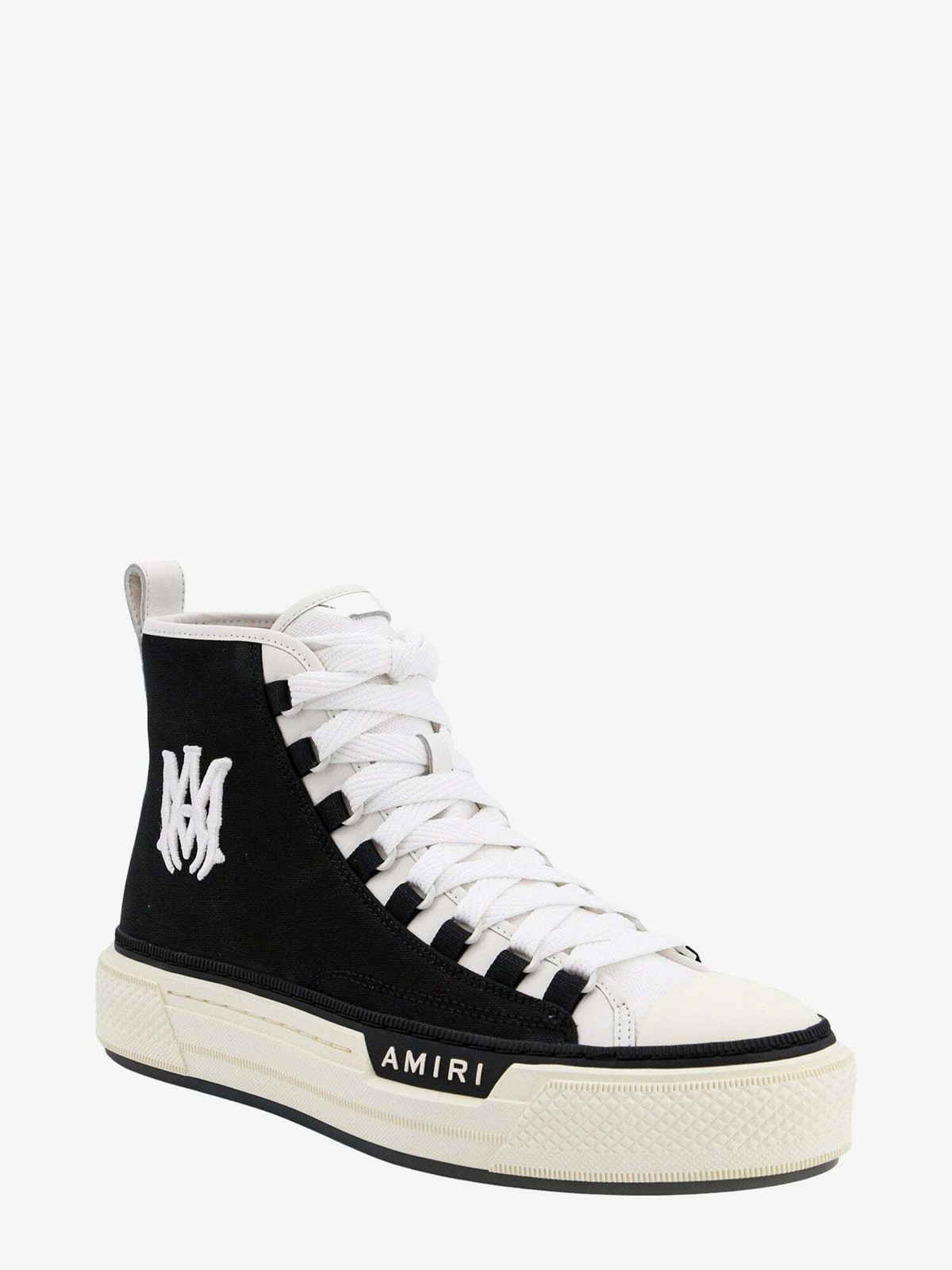
Luxe Amiri Apparel Low Top Sneaker

AMIRI Clothing: Every Single Division of the Line, Named Properly

Ask the median shopper what amiri clothing consists of and a single answer arrives, which is distressed jeans. The label really did begin there, and the centre of gravity has not moved, but denim now accounts for a minority of what the label sells. This piece works through the entire range category by category, lifting its names from official pages and approved stockists instead of blog copy. That matters here, because plenty of writing about this label repeats model names that do not exist. Every price here is an observed market figure read from 2026 listings rather than an official price list, and they keep moving. The house is a Los Angeles one that shows in Paris, founded by Mike Amiri, and menswear-first before womenswear arrived in 2021.

Denim Proper and Which Names Are Genuine

Garments are hand-distressed and then rebuilt in plain sight with contrast material, which is why Repair is the key verb. The MX1 is the signature jean, a skinny five-pocket cut in Italian stretch denim repaired with pleated leather, and its official composition names ovine leather as the contrast. Core Collection membership, manufacture in the USA and an observed $1,090 round out the picture. The Stack is the entry point to core amiris denim at an observed $750, also made in the USA, and its long inseam is engineered to concertina at the ankle rather than being a length error. Where Thrasher gives the hand-distressing on its own, without the structured leather panel that defines the MX1, Shotgun adds blown-out frayed holes with sanded edges. Sources contradict each other on the panelling of MX2, which is a genuine model name all the same, and its collection pages showed no live products when checked in 2026.

  • MX1, MX2, Thrasher, Stack, Shotgun
  • Carpenter, Faded Carpenter, Carpenter Repaired Baggy
  • MA Fit, Washed Baggy, Baggy Cargo, Repaired Boot Cut
  • Monogram Straight Leg, Track Jean, Patchwork, Leather Hybrid

Finishes Are Not the Same Thing as Fits

The most repeated error in writing about this label is elevating a treatment to a fit. As a motif spread across the line, Bandana gives the MX1 Bandana Jacquard, the MX1 International, the Bandana Repair Straight Jean, a Bandana Short and a Bandana Buckle Boot. Because the paisley panel lands exactly where leather sits on an MX1, it is a substitution rather than decoration. The same logic governs Crystal, which produces a Crystal Thrasher, a Crystal Shotgun and a Crystal Skel-Top Low at the top of their bands. The same is true of Stud, Eagle, Aloha, Monogram and MA Quad, which run identically across models. MX3 exists only as the women's Baggy MX3, a motocross-inspired hybrid observed at $990, and not as a men's tier above the MX2.

Sweatshirts and Hooded Fleece

The bones motif is the cross-category signature, the same skeleton that sits on amiri sneakers. The Bones Oversized Hoodie, the Bones Fleece Zip Hoodie and the Bones Stacked Hoodie all wear it, and it reached jersey hoodies for Pre-Spring 2026. Its official page describes the MA Core Logo Hoodie, the calmest piece of the group, as a normal fit with kangaroo pocket, MA icon and core logo. It is one hundred per cent cotton, made in the USA, and observed at $650. Louder choices include the MA Quad Zip, Varsity Patch Zip, Club Amiri Zip and MA Quad Flames hoodies. The observed band runs from about $650 to roughly $1,345, and its top discounts hardest.

Jersey: The T-Shirts

Two core tees sit in the line, and mixing up the pair is a standing habit. Core Collection, one hundred per cent cotton and made in Italy, the MA Core Logo Tee puts the MA icon at the chest and the core logo across the back. The MA Bar Logo Tee is a distinct garment lifted from a Pre-Fall 2022 collection, a printed cotton regular fit carrying the bar logo and made in Los Angeles. Anyone shopping for an amiri t shirt will meet dozens of graphic variants beyond those two, including Quality Goods Patch, Eagle, Dreamers Chain Stitch and Club Amiri. The observed band lands between about $425 and about $930, and long sleeves and worked graphics occupy the top of it. This is also the most counterfeited part of the range and the fastest to discount.

Shirting and Flannel

Rather than a seasonal add-on, flannel is a founding pillar, with the house's own history citing grungy flannel shirting among its origins. The latest expression is the MA Quad Bleached Flannel at an observed $1,290, which lifts a single amiri shirt above the price of most of the jeans. Lower down at roughly $865, the Bones Flannel Overshirt wears the skeleton motif in place of the quad. Both are cut at overshirt weight rather than dress-shirt weight, since this is outerwear-adjacent shirting. The Denim Repair Work Jacket and the trucker constructions are where denim shirting joins outerwear. A crisp poplin business shirt is never what this house specialises in.

The Outerwear End

Outerwear is where the price ceiling sits. Wool bodies with contrast leather sleeves, chenille appliques, welt zip pockets and snap closures make up the varsity family, which is the anchor. One Varsity Patch Jacket was observed at about $2,310 and cut to roughly $1,155 in season, which reveals plenty about how this brand trades. The Staggered Varsity Jacket uses substantial wool with pebbled leather sleeves. On the denim outerwear side sit the Denim Repair Work Jacket at roughly $1,880, the Studs Flames Studded Trucker at about $1,815 and the Lea Bones Denim Blouson at about $1,399. A panelled Sport Leather Jacket exists as well, though no named bomber is a flagship here in the way the varsity is.

Tracksuits, Shorts and Sweatpants

The soft-goods end of the range is real but far less codified than the denim. A Track Jacket comes in black and alabaster with an elastic waistband and zip closure, and a Sport Denim Track Jacket sits alongside it. A Track Jean applies the same side-stripe language to denim rather than jersey. Seasonal shorts are part of it, with the Bandana Short as the clearest example of a treatment moved into a new silhouette. Sweatpants are in the line, but no flagship tracksuit is documented as the MX1 or the house sneaker are. Distrust any article that names the definitive tracksuit, and buy on fabric and fit instead.

Accessories, Womenswear and Kids

With well over a hundred men's products, accessories are a genuine category rather than a token one. Official navigation carries small leather goods, bags, eyewear, hats, scarves and gloves, bag straps, key chains, socks and briefs. The growing end is bags, and the Biscotto Bag is described by the house as having a gently folded shape reminiscent of a fortune cookie. Eyewear is sold, but no licensing partner could be identified, so treat any article naming one as unverified. Individual belts exist, though without a standalone navigation category, which keeps them below pillar status. Entry price points for socks, caps and key chains were not captured here, and inventing them would be worse than leaving the gap open. Launched in 2021, womenswear now reaches denim, jersey, handbags and a women's cut of the house sneaker, with kids' alongside it.

The Bands Observed, Category by Category

The bands below are read from 2026 listings across the brand's own channel and authorised multi-brand retail. They are observations rather than policy, and two things distort any simple reading. First, discounting is structural, since authorised retailers cut in-season stock by forty to seventy per cent and an off-price arm of one stockist group carries past-season goods. Second, embellished and reconstructed pieces sit above their band with no published ceiling. A useful rule of thumb is that the calm core piece anchors each category, with everything worked sitting above it. The table is a reference range on a listing, not a price you should expect to pay.

Segment Example styles Band observed
Five-pocket denim Stack, MA Fit, Thrasher, Shotgun, MX1 about $700 to $1,100
Sweatshirts and hoodies MA Core Logo, Bones Oversized, MA Quad Zip roughly $650 to $1,345
Tees Club Amiri, MA Quad Oversized, Eagle roughly $425 to $930
Flannel shirting Bones Flannel Overshirt, MA Quad Bleached Flannel around $865 to $1,290
Denim jackets and blousons Lea Bones Denim Blouson, Denim Repair Work Jacket roughly $1,399 to $1,880
Worked and varsity outerwear Varsity Patch Jacket, Staggered Varsity Jacket about $1,800 to $2,310

What the Whole Range Adds Up To

End to end, the logic of the line is narrower than the lookbook suggests. One motif family and one construction idea, visible repair, account for most of what makes a garment recognisable across categories. Origin is set by piece rather than by brand: core denim and some jersey are US-made, while amiri shoes are not. Across every soft category the buyer guidance agrees, since the tailoring runs trim and a size up is the standard advice unless the style is already named oversized. Starting from zero, amiri men should open with the calm core pieces and leave worked outerwear as the last thing to buy at full price. Everything here is clothing bought to wear, with a functioning but generally sub-retail secondary market behind it.

octubre 27, 2026 — No Comments

Emma Kotos Films Series Hits Online New Episodes Daily

The Vertical Drama Bet of a Kyiv Studio

In the beginning, Holywater was not a TV outfit. The studio was set up in Kyiv, Ukraine, in 2020 by Bogdan Nesvit and Anatolii Kasianov, and its product lineup to this day reads more like a lab for mobile entertainment than a streaming service. My Passion covers books, My Muse covers AI, and FreeBits rounds out the set beside My Drama. That breadth matters: it shows a company for which video is one of several consumer products, not its whole identity. Eventually, it Emma Kotos films placed its wager on the vertical drama, a format born in China as duanju and framed 9:16 for an upright phone. Entering this market was daring for a small Ukrainian company, as the genre's largest players were backed by Chinese and Singaporean groups.

Spring 2024: The My Drama App Hits the Stores

Spring 2024 saw the arrival of the My Drama app, though the precise date depends on which source you believe. According to TechCrunch, the launch took place in April, whereas Google Play shows March 13, 2024, and the App Store shows May 9, 2024. Those store dates imply that Android came first, with the iPhone version arriving about two months later. The initial slate was heavily built around the genre's best-loved tropes. The first titles featured The Shy Beauty and the Billionaire Beast and Love Captive to a Mafia Boss, names that show most of what you need to know about the mood. The partner it would soon be producing them with, not the stories themselves, is what eventually made it stand out.

Fox, $22M in Funding and a Webby Win

During October 2025, My Drama stopped being a mere startup curiosity. Fox Entertainment took an equity stake in Holywater, and the deal came with a commitment to make more than 200 vertical titles over two years. Horizon Capital headed a $22M round for Holywater three months later, in January 2026. Included in the Fox-produced titles on the platform are Billionaire Blackmail, Bound by Obsession and My Heart's Offside. The company also has a Webby Award for Best Streaming Service from 2025, a credential it shows off on its App Store listing. Few rivals can boast what those milestones give My Drama, namely a major American studio acting as both shareholder and producer.

My Drama: The Fact File

The short version of the story is in the table below, for anyone who only has a minute. The ownership, legal, platform and pricing details that count most to a first-time viewer are pulled together in one place. The prices are those listed in the US App Store as of September 2026. Because they differ by country, platform and promotion, read them as a guide rather than a quote. The legal entity you contract with depends on where you live, which is relevant if you ever need to contest a charge. The install figure is taken from Google Play, where the app displays 5M+ downloads.

Item Information
Owned by Holywater (established in Kyiv, Ukraine, in 2020)
Co-founders Bogdan Nesvit and Anatolii Kasianov
Related apps My Passion for books, My Muse for AI, plus FreeBits
Contracting entity, US users XOLY LIMITED (Delaware)
Contract party, other users Holy Water Limited (Nicosia, Cyprus)
Release Spring 2024 (Google Play: March 13; App Store: May 9)
Platforms iPhone, iPad, Apple TV (tvOS 18+), Vision Pro, Android, web
Installs on Android Google Play: 5M+
Full-access plan About $19.99 a week, with automatic renewal
Coin packs About $4.99 to $24.99
Premium options Around $4.99 to $9.99
Studio partner Fox Entertainment, equity stake since October 2025, 200+ titles over two years
Funding $22M in January 2026, led by Horizon Capital
Honors Webby Award for Best Streaming Service, 2025

What Watching on My Drama Feels Like

The basic experience is the one the entire category is built on. Episodes are vertical, sized for an upright phone, and in this genre they usually last a minute or two before a cliffhanger pushes you to the next one. Because series often run anywhere from 20 to 100 episodes, a single story can quietly swallow an evening in bite-sized pieces. The drama app truly sets itself apart through the range of screens it supports. Beyond iPhone, iPad and Android, it is listed for Apple TV on tvOS 18 or later and for Vision Pro. For comparison, ReelShort's App Store listing shows no Apple TV version at all, so this big-screen option is rarer than you might think. Although a 9:16 frame will never fill a widescreen TV, the option turns a solitary phone habit into something a couple can enjoy together.

The growing Fox slate runs next to Holywater's own early productions in the library. The genre's familiar formula is still the template for the Fox releases, as titles like Billionaire Blackmail and Bound by Obsession make clear. The fair caveat here is scale. With 5M+ installs on Google Play, the app has a small fraction of the 100M+ that ReelShort, DramaBox and ShortMax each list. That gap shows where My Drama stands in 2026: a well-backed challenger rather than the category leader.

What My Drama Costs in 2026: Pricing

Holywater sells access three ways, and the headline figure is the weekly pass. As of September 2026, the US App Store prices "My Drama: Full Access" at around $19.99 a week. That puts it level with the weekly passes from ReelShort, ShortMax, DramaWave and GoodShort, which are listed at about the same price in the same store. From about $4.99 to $24.99, coin packs unlock individual episodes. There is also a separate Premium tier at roughly $4.99 to $9.99, giving lighter viewers less expensive entry points than the full pass. Country, platform and promotion all change prices, so the figure on your own device may be different. Like its rivals' plans, the weekly subscription auto-renews until you cancel it. Do the arithmetic before you commit, because four renewals of a $19.99 weekly pass add up to roughly $80 a month.

The Terms Worth Reading Before You Pay

Most viewers give less attention than they should to the fine print in My Drama's terms of use. All coin purchase is final, which means no easy refund if a series disappoints after you unlock it. On top of that, coins are forfeited after 12 months of inactivity, so a balance you ignore for a year can simply disappear. Whatever you buy on the web is described as non-refundable except where the law requires otherwise. Viewers in the EU and UK receive a 14-day right of withdrawal, reflecting the consumer rules in those markets. Deleting the app does not cancel your subscription, and the terms state this clearly, and that is the most important point of all. iPhone owners cancel under Settings, then their name, then Subscriptions, while Android users use the Subscriptions menu in Google Play. For store purchases, refunds are processed by Apple or Google, not by Holywater.

It is also wise to know exactly who sits on the other side of the contract. XOLY LIMITED, a Delaware company, covers US users, whereas everyone else contracts with Holy Water Limited in Nicosia, Cyprus. As with any vertical drama app, a further warning applies here. Modded APKs, unlimited coins and free coin generators come from unofficial sites, and those sites are not a safe way to watch anything. The legitimate response to a steep price is to cancel the pass, not to hunt for a hack.

Verdict: A Challenger With Hollywood in Its Corner

My Drama is not the largest vertical drama app, and on install counts it is not even close. What it has instead is an unusual combination: a Kyiv founding story, a Fox equity partner committed to more than 200 titles, fresh funding from January 2026 and a Webby on the shelf. For viewers, the practical upside is Apple TV support, which ReelShort, for one, does not list. Like every rival, the downside is a weekly pass of around $19.99 that keeps renewing quietly in the background. If you are after Fox-produced romance and the option to watch on a TV, the My Drama app earns a place on your home screen. For viewers who simply want the largest claimed library, ShortMax and its 50,000+ dramas make the more obvious pick. Either way, cancel through your store account rather than trusting the delete button, and set a reminder the day you subscribe.

octubre 27, 2026 — No Comments

Best Coach Wallets to Buy Occasion Styling Ideas

Taking Care of Coach Leather, Canvas and Suede

As our research turned up no official care guidance published by Coach, everything in this guide is general material practice and not brand instructions. That matters because finishes change between seasons, and the label or product description for your own item should always come first. The materials Coach works with are very different, including glovetanned, pebbled and patent leather, Signature canvas and jacquard, suede and shearling. The guide handles them one at a time, because each one responds differently to water, heat, oil and friction. Whether a coach bag came from a flagship or a coach outlet, it is the material, not the channel, that determines how to look after it. Before using any cleaner, conditioner or spray, test it on an unseen spot and wait a day to see how the surface reacts. A simple weekly routine covers most of the basics.

  1. Empty the bag and shake out crumbs, receipts and loose debris.
  2. Use a soft, dry cloth to wipe the outer surface.
  3. Use the method for that material to treat any marks.
  4. Keep damp areas away from heat and sunlight so they can air-dry naturally.
  5. Place the bag, lightly stuffed, inside a breathable dust bag.

Caring for Glovetanned Leather

Glovetanned leather, the finish Coach modelled on the way a worn baseball glove softens, is presented by Coach as leather meant to improve with use. That makes gentle, regular handling more useful coach outlet than heavy treatment. Blot spills straight away without rubbing them into the surface, and lift dust and light marks with a soft, dry cloth. Should the leather start to look dry, use a small amount of conditioner made for smooth leather lightly and buff it off, which is the usual approach. Apply conditioner sparingly and only occasionally, as too much can darken the colour or leave a tacky feel; similarly, let rain spots dry naturally at room temperature, as radiators and hairdryers can stiffen and even crack leather. For vintage pieces, the softer, mellowed look of the patina that forms over time is part of the appeal, not damage. By contrast, look carefully before buying a so-called vintage glovetanned bag that feels plasticky or is peeling.

Looking After Pebbled, Smooth and Patent Leather

Pebbled leather has a textured grain that tends to mask small scuffs better than a smooth finish, and it is used in families such as the Willow. Usually a dry microfibre cloth and an occasional light conditioning are all it needs; smooth leathers, on the other hand, show scratches more readily, so keep keys and sharp objects in an inner pocket or a pouch. Patent leather, found on some versions of the Soho Bag 25, carries a glossy finish that can absorb dye from printed paper and dark fabrics. Fingerprints lift off with a soft, slightly damp cloth, and patent pieces are best stored apart from other items. Exotic skins, such as the alligator offered on a Rogue 25, need specialist attention, so skip home products entirely and turn to a professional. Whatever the leather, never soak it, and avoid alcohol, household sprays and baby wipes, which can strip or dim the finish.

Signature Canvas and Jacquard: What Works

First introduced in 2001, the Signature "C" pattern appears across coach handbags on canvas versions of bags such as the Juliet Shoulder Bag 25 and on jacquard versions of the Soho Bag 25. As the two behave differently, check which base material you have in the product description; a coated surface can usually be wiped down with a cloth dampened with water and a drop of mild soap, then dried with a clean towel. Because woven jacquard is closer to a textile, dab stains gently and avoid scrubbing, as that can fuzz the weave. If your bag teams the pattern with leather trim, keep water off the handles and edges and treat those parts as leather. A canvas bag should never go in a washing machine or tumble dryer, as its structure and hardware can distort there. As light-coloured pieces can absorb dye from dark denim, a quick wipe after wearing new jeans helps to stop build-up. Deep creases in a coated surface can become permanent, so canvas bags should also be stored stuffed and upright.

Caring for Suede and Shearling

Suede shows up across coach clothing and footwear, in pieces including the laceless Skate Sneaker and the suede coats shown in the Fall 2026 collection. Next to smooth leather, its open, napped surface marks more easily, especially with water, oil and grease. Brush suede regularly with a soft suede brush, working in one direction, to clear dust and restore the nap. Using a suede eraser can often lift dry marks, but oily stains are best left to a specialist cleaner. Wet suede should be blotted, with shoes or sleeves stuffed with paper, then left to dry slowly away from direct heat ahead of brushing. Shearling coats need broad hangers, a breathable cover and professional cleaning for anything more than light surface dust. A protective spray made for suede can help, but test it first, because some sprays can darken certain colours.

  • A gentle suede brush
  • A suede eraser for dry marks
  • Plain paper to stuff shoes and sleeves
  • A protective spray for suede, tested on a hidden area first

Hardware, Linings and Good Storage

Turnlocks and kisslock frames deserve the same attention as the leather around them. Make sure to keep metal polish away from nearby leather, which it can stain, and wipe hardware with a dry cloth after use. Linings collect crumbs, pen ink and makeup, so empty the bag regularly and carry liquids in a sealed pouch. For storage, stuff bags lightly with acid-free tissue to keep their shape, and keep them upright in a breathable dust bag rather than plastic, which holds in moisture. Avoid hanging heavy bags by their straps for long periods, because handles and strap anchors can stretch, and keep sneakers and leather goods in a cool, dry place out of direct sunlight, which can dull colour. The materials named in a coach review decide how much of this routine a piece will need, so pay attention to them when reading one before you buy.

Material Everyday care What to avoid See a specialist for
Glovetanned leather pieces Dry cloth, occasional light conditioner Direct heat, soaking or heavy conditioning Cracks or deep stains
Pebbled and smooth leathers Soft microfibre cloth Alcohol or household sprays Faded colour or tears
Patent leather finishes A soft, slightly damp cloth Contact with print or dark fabric Serious dye transfer
Coated canvas A damp cloth with mild soap Washing machines or dryers A coating that peels or cracks
Jacquard Blotting gently Hard scrubbing Set-in stains
Suede and shearling pieces Soft brush plus suede eraser Direct heat, water and oil Big or oily stains
Exotic skins Only light dusting All home cleaning products Any cleaning or repair

Recognising When to Get Professional Help

A specialist leather cleaner or repair service handles some damage better than home products will. Peeling edge paint, torn linings, loose stitching and broken hardware usually need proper tools and materials. Coach's own (Re)Loved programme cleans and repairs pre-owned bags for resale as Restored pieces, which shows how much an older bag can be brought back, and its trade-in scheme, which is available in North America retail stores and select UK and Japan stores, reportedly excludes outlet and canvas items. Anyone searching coach uk can start with the Coach House on Regent Street in London, and anyone unsure what help is available locally can ask at a coach store. Receipts and dated photos of your item come in handy for any service conversation or a later sale, so keep them. Most importantly, catch small problems early: a loose thread or a scuff is far easier to fix than a split seam.

octubre 26, 2026 — No Comments

AI Nude Generator Account Ready in Minutes

N8ked Analysis: Pricing, Features, Performance—Is It Worthwhile?

N8ked operates within the controversial "AI undress app" category: an artificial intelligence undressing tool that claims to generate realistic nude imagery from clothed photos. Whether investment makes sense for comes down to two things—your use case and your risk tolerance—because the biggest prices paid are not just price, but legal and privacy exposure. Should you be not working with clear, documented agreement from an grown person you you have the authority to portray, steer clear.

This review emphasizes the tangible parts purchasers consider—cost structures, key functions, result effectiveness patterns, and how N8ked stacks up to other adult AI tools—while also mapping the legal, ethical, and safety perimeter that defines responsible use. It avoids procedural guidance information and does not advocate any non-consensual "Deepnude" or artificial intimate imagery.

What does N8ked represent and how does it market itself?

N8ked presents itself as an web-based nudity creator—an AI undress application designed for producing realistic naked results from user-supplied images. It rivals DrawNudes, UndressBaby, AINudez, alongside Nudiva, while synthetic-only applications such as PornGen target "AI girls" without taking real people's photos. In short, N8ked markets the guarantee of quick, virtual garment elimination; the question is whether its value eclipses the legal, ethical, and privacy liabilities.

Like most AI-powered clothing removal tools, the core pitch is speed and realism: upload a photo, wait seconds to minutes, then retrieve an NSFW image that looks plausible at a glance. These apps are often marketed as "grown-up AI tools" for consenting use, but they operate in a market where multiple lookups feature phrases like "undress my girlfriend," which crosses into image-based sexual abuse if agreement is missing. Any evaluation regarding N8ked must start from that reality: performance means nothing when the application is unlawful or exploitative.

Fees and subscription models: how are costs typically structured?

Prepare for a standard pattern: a point-powered tool with optional subscriptions, sporadic no-cost samples, and upsells for quicker processing or batch processing. The headline price rarely reflects your actual cost because add-ons, speed tiers, and reruns to fix artifacts can burn ai porngen points swiftly. The more you iterate for a "realistic nude," the greater you pay.

Because vendors update rates frequently, the most intelligent method to think concerning N8ked's fees is by framework and obstacle points rather than a single sticker number. Credit packs usually suit occasional customers who desire a few generations; subscriptions are pitched at intensive individuals who value throughput. Unseen charges involve failed generations, branded samples that push you to acquire again, and storage fees if private galleries are billed. If costs concern you, clarify refund policies on failures, timeouts, and filtering restrictions before you spend.

Category Undress Apps (e.g., N8ked, DrawNudes, UndressBaby, AINudez, Nudiva) Artificial-Only Tools (e.g., PornGen / "AI females")
Input Real photos; "AI undress" clothing elimination Textual/picture inputs; entirely virtual models
Permission & Juridical Risk Elevated when individuals didn't consent; extreme if underage Minimized; avoids use real people by default
Typical Pricing Points with available monthly plan; reruns cost extra Subscription or credits; iterative prompts usually more affordable
Privacy Exposure Increased (transfers of real people; potential data retention) Minimized (no genuine-picture uploads required)
Use Cases That Pass a Permission Evaluation Confined: grown, approving subjects you hold permission to depict Broader: fantasy, "AI girls," virtual models, NSFW art

How well does it perform on realism?

Throughout this classification, realism is strongest on clean, studio-like poses with clear lighting and minimal blocking; it deteriorates as clothing, palms, tresses, or props cover body parts. You'll often see edge artifacts at clothing boundaries, uneven complexion shades, or anatomically unrealistic results on complex poses. In short, "AI-powered" undress results might seem believable at a quick glance but tend to fail under examination.

Success relies on three things: position intricacy, clarity, and the learning preferences of the underlying tool. When extremities cross the torso, when jewelry or straps overlap with flesh, or when fabric textures are heavy, the algorithm might fabricate patterns into the physique. Ink designs and moles might disappear or duplicate. Lighting disparities are typical, especially where clothing once cast shadows. These aren't system-exclusive quirks; they are the typical failure modes of attire stripping tools that acquired broad patterns, not the real physiology of the person in your image. If you observe assertions of "near-perfect" outputs, expect heavy result filtering.

Capabilities that count more than promotional content

Most undress apps list similar capabilities—browser-based entry, credit counters, group alternatives, and "private" galleries—but what counts is the set of mechanisms that reduce risk and frittered expenditure. Before paying, confirm the presence of a identity-safeguard control, a consent confirmation workflow, obvious deletion controls, and an audit-friendly billing history. These constitute the difference between a plaything and a tool.

Look for three practical safeguards: a robust moderation layer that prevents underage individuals and known-abuse patterns; explicit data retention windows with client-managed erasure; and watermark options that obviously mark outputs as synthesized. On the creative side, check whether the generator supports options or "retry" without reuploading the source picture, and whether it preserves EXIF or strips information on download. If you operate with approving models, batch processing, consistent seed controls, and quality enhancement may save credits by minimizing repeated work. If a supplier is ambiguous about storage or challenges, that's a red warning regardless of how slick the preview appears.

Confidentiality and protection: what's the actual danger?

Your biggest exposure with an online nude generator is not the cost on your card; it's what happens to the photos you upload and the adult results you store. If those visuals feature a real human, you could be creating an enduring obligation even if the service assures deletion. Treat any "private mode" as a policy claim, not a technical guarantee.

Grasp the workflow: uploads may travel via outside systems, inference may happen on leased GPUs, and records may endure. Even if a supplier erases the original, thumbnails, caches, and backups may live longer than you expect. Profile breach is another failure scenario; adult collections are stolen every year. If you are working with adult, consenting subjects, obtain written consent, minimize identifiable details (faces, tattoos, unique rooms), and avoid reusing photos from open accounts. The safest path for many fantasy use cases is to avoid real people altogether and utilize synthetic-only "AI females" or artificial NSFW content as alternatives.

Is it lawful to use an undress app on real individuals?

Laws vary by jurisdiction, but unauthorized synthetic media or "AI undress" content is unlawful or civilly prosecutable in numerous places, and it's absolutely criminal if it involves minors. Even where a legal code is not clear, sharing may trigger harassment, privacy, and defamation claims, and sites will delete content under policy. If you don't have knowledgeable, recorded permission from an mature individual, don't not proceed.

Several countries and U.S. states have implemented or updated laws tackling synthetic intimate content and image-based sexual abuse. Major platforms ban unauthorized adult synthetic media under their sexual exploitation policies and cooperate with legal authorities on child erotic misuse imagery. Keep in consideration that "confidential sharing" is a myth; once an image departs your hardware, it can leak. If you discover you were targeted by an undress tool, keep documentation, file reports with the service and relevant officials, ask for deletion, and consider attorney guidance. The line between "artificial clothing removal" and deepfake abuse isn't linguistic; it is lawful and principled.

Options worth evaluating if you need NSFW AI

If your goal is adult mature content generation without touching real persons' pictures, virtual-only tools like PornGen constitute the safer class. They create artificial, "AI girls" from cues and avoid the permission pitfall built into to clothing stripping utilities. That difference alone eliminates much of the legal and reputational risk.

Among clothing-removal rivals, names like DrawNudes, UndressBaby, AINudez, and Nudiva hold the equivalent risk category as N8ked: they are "AI clothing removal" systems designed to simulate nude bodies, often marketed as a Clothing Removal Tool or web-based undressing system. The practical guidance is the same across them—only collaborate with agreeing adults, get formal agreements, and assume outputs can leak. If you simply desire adult artwork, fantasy pin-ups, or private erotica, a deepfake-free, artificial creator offers more creative control at lower risk, often at a superior price-to-iteration ratio.

Obscure information regarding AI undress and synthetic media applications

Regulatory and platform rules are strengthening rapidly, and some technical truths startle novice users. These facts help set expectations and decrease injury.

Primarily, primary software stores prohibit unpermitted artificial imagery and "undress" utilities, which explains why many of these explicit machine learning tools only operate as internet apps or externally loaded software. Second, several jurisdictions—including the U.K. via the Online Protection Law and multiple U.S. territories—now prohibit the creation or spreading of unpermitted explicit deepfakes, increasing punishments beyond civil liability. Third, even if a service asserts "self-erasing," infrastructure logs, caches, and backups can retain artifacts for extended durations; deletion is an administrative commitment, not a technical assurance. Fourth, detection teams look for telltale artifacts—repeated skin textures, warped jewelry, inconsistent lighting—and those might mark your output as synthetic media even if it looks believable to you. Fifth, particular platforms publicly say "no underage individuals," but enforcement relies on automated screening and user honesty; violations can expose you to severe legal consequences regardless of a checkbox you clicked.

Assessment: Is N8ked worth it?

For users with fully documented agreement from mature subjects—such as commercial figures, entertainers, or creators who clearly approve to AI undress transformations—N8ked's category can produce fast, visually plausible results for basic positions, but it remains weak on intricate scenes and carries meaningful privacy risk. If you're missing that consent, it doesn't merit any price since the juridical and ethical costs are enormous. For most adult requirements that do not demand portraying a real person, artificial-only systems provide safer creativity with fewer liabilities.

Judging purely by buyer value: the combination of credit burn on reruns, typical artifact rates on challenging photos, and the burden of handling consent and information storage indicates the total price of control is higher than the sticker. If you still explore this space, treat N8ked like any other undress app—verify safeguards, minimize uploads, secure your account, and never use pictures of disagreeing people. The securest, most viable path for "mature artificial intelligence applications" today is to keep it virtual.

octubre 26, 2026 — No Comments

How to Spot Fake Righteous Streetwear Real Owner Insights

How to Stack Righteous Pieces for Colder Weather

Looking good doesn't stop just because the weather has cooled, and that surely doesn't mean digging out the same shapeless coat you've relied on for five winters straight. Mastering layers takes skill, and as soon as you know how the weight of the fabric, cut, and how something fits interact, you can construct ensembles that read as purposeful, not haphazard. Here we break down real-world approaches to layering using Righteous clothing, with an eye toward what actually keeps you warm versus what merely seems cozy. If you're on the hunt for a righteous review before committing to a layered closet, consider this a real-condition analysis of how the garments hold up in real conditions, not just in a photo.

Layering well is about temperature regulation, not just adding more layers of cloth. Several lighter layers almost always work better than one bulky layer because they capture warm air that your body heat warms up. This is basic thermodynamics, and it's why mountaineers and city commuters alike depend on the same three-stage method: a base layer, a mid layer, and an outer layer. We Are Righteous builds pieces that fit neatly into each of these categories, which makes it easier to combine and coordinate without second-guessing what goes with what.

Start With the Base Layer

The base layer rests against your skin and does one job: controlling moisture. If this layer traps sweat instead of moving it away from your body, everything designer apparel above it stops working properly, and you'll feel clammy and cold within the first hour outside. A properly fitted tee or long-sleeve from the Righteous clothing lineup works well here because a snug (not tight) fit reduces the space between skin and fabric, which quickens heat retention.

Cotton is comfortable, but it retains dampness once it's wet, so if you're preparing for real cold rather than mild autumn afternoons, pay attention to garment weight and how the fabric is listed in the product details. A denser jersey knit will insulate better than a light-weight shirt, even if both are the same shape. This is a case where the details matter more than the picture.

How something fits also influences how the next layer sits on top. A base layer that's overly loose will crease unevenly under a mid layer, resulting in awkward pressure spots and inconsistent warmth. Go with something snug against your frame through the torso and arms, with enough room to move without restriction. Six to seven degrees of temperature difference can dramatically shift which base layer weight makes sense, so don't presume one tee works for every chilly situation between September and January.

Add a Mid Layer for Insulation

The righteous hoodie claims its spot in the lineup, at this very point. The hoodie acts as the warmth-trapping layer, trapping heated air near the body while still allowing enough ventilation that you don't overheat as soon as you walk indoors. The hood itself adds a practical bonus: covering the neck and head reduces thermal loss considerably, since a outsized amount of warmth slips away through areas that remain exposed.

When choosing a hoodie for layering use, fit matters just as much as it does for the base layer, but in the reverse direction. You want enough space to easily layer a tee beneath it without feeling constricted, but not so much extra fabric that it becomes cumbersome under a jacket. A gently loosened cut through the body and shoulders, with snug cuffs, tends to work best for layering because it retains warmth at the wrists without creating bulk elsewhere.

Zip-up styles offer more heat regulation than pullover styles because you can fine-tune airflow without completely taking off the layer, which is helpful during in-between weather when mornings are brisk but afternoons turn mild noticeably. Pullover styles, on the other hand, tend to deliver a bit more insulation since there's no zip seam admitting drafts. Neither is objectively better; it depends on whether you're preparing for a static commute or a day with variable temperatures.

Plenty of people digging through Righteous review threads tend to wonder about the warmth-to-weight balance of a hoodie, and the candid answer is that it depends on what you're wearing underneath and over it. A hoodie is a mid layer, not a standalone cold-weather solution, and using it that way is the number one layering mistake people make once the cold sets in below the point where a single sweatshirt is enough.

Round It Out With an Outer Shell

The outer shell's role is to shield against moisture and wind while letting the layers underneath do the work of insulating. This is where many people overspend or under-plan, picking up a heavy coat that's overkill for 50-degree weather or a lightweight jacket that does little once the wind kicks in. Matching your outer layer to conditions on the ground, rather than the year's coldest day, maintains your layering system flexible.

For most chilly days, a medium-weight jacket layered over a Righteous hoodie and base tee covers a wide range of temperatures without requiring a change of clothes every time the forecast moves by a few degrees. The key is selecting an outer layer loose enough to allow for the hoodie beneath it without squeezing it, since squeezed insulation loses effectiveness. Flattening forces out the pockets of air that were doing the actual work of keeping you warm.

Pay attention to length as well as width. A jacket that finishes right at the hip pairs well with a longer hoodie underneath, since the extra coverage prevents cold air from seeping in at the waistline. Small as it sounds, this detail matters a great deal—just ask someone who's felt that chilly gap sneaking across their lower back on a windy afternoon.

Comparing Layer Roles at a Glance

Breaking down each layer's function side by side makes it easier to shop with intention instead of guessing. The table below details what each layer is responsible for and what to focus on when picking garments from a Righteous apparel collection or assembling a layering system generally.

Layer Main Function Fit Priority Example Piece
Base Layer Handling moisture while providing initial insulation Form-fitting and skin-hugging Long-sleeve or tee, Righteous
Mid Layer Providing insulation and preserving body heat Loose through the torso with snug cuffs Righteous pullover hoodie
Outer Layer Shielding against wind and wetness Roomy enough for mid layer Mid-weight jacket

Notice that each layer has a distinct job, and none of them can fully substitute for another. Skipping the base layer and going straight from skin to hoodie means losing the moisture management that keeps you comfortable during activity. Because wind pulls warmth off far faster than still air, leaving off the outer layer on a windy day undoes much of the insulating work built up underneath.

Practical Combinations for Real Temperatures

Concrete combinations help more than vague advice, so here's how layering typically breaks down across a cool-weather range, using the Righteous clothing brand lineup as a foundation. Such guidelines shouldn't be treated as rigid rules, but they serve as a reasonable starting point based on how each layer type performs.

  • 55-65°F: A single Righteous tee is often enough during the day, with a hoodie on standby for evening temperature drops.
  • 45-55°F: A base tee plus a hoodie covers most conditions with no need for an outer shell, particularly in low wind.
  • 35-45°F: Full three-layer system becomes necessary, particularly if you're outdoors for more than 30 minutes at a stretch.
  • Below 35°F: Since the hoodie mid layer alone can't hold enough heat, consider a thicker base layer weight combined with an insulated outer layer.

These ranges shift depending on wind, humidity, and personal cold tolerance, so treat them as a framework rather than a rigid formula. If you tend to run cold, raising every threshold by five to ten degrees is a sensible adjustment—based on experience rather than guesswork.

Frequent Layering Errors to Watch For

Even when you own the right pieces, careless layering routines can compromise the whole setup. The most frequent mistake is sizing every layer the same, which generates added bulkiness instead of streamlined warmth retention. Every layer ought to become progressively looser as you move toward the outer shell, not identically sized.

Many also tend to overlook their wrists, neck, and ankles while building a system. Because wrists, neck, and ankles lose heat quickly, a hoodie built with a proper hood and fitted cuffs proves more useful more than most give it credit for. If you ignore these details and focus only on torso coverage, and you'll leave gaps in a system that would otherwise hold up.

Never evaluate a layering system based only on its look in a photo or on a store shelf. Fabric weight, weave density, and cut all affect actual performance in ways that don't always show up until you're standing outside in the wind. This is one reason reading a detailed we are righteous brand breakdown, checking genuine product specs, and understanding your own layering tendencies matters more than chasing what's trendy. Assemble the system step by step—from base layer to mid layer to outer shell—and tailor each piece according to the conditions you're actually dressing for rather than the conditions you wish you had.