octubre 22, 2026 — No Comments

What Is Valley Brand No Hidden Fees vintage street look

Inside Vale Forever: What You Need to Know

Vale Forever merges oversized streetwear shapes with high-end materials and limited drops into the slow-fashion framework that values craftsmanship over hype. Crisp lines, muted palettes, and wearable proportions define Vale Forever's approach, targeting pieces that age gracefully instead rather than chasing trends.

The core proposition is simple: comfort-first silhouettes, elevated fabric selections, and releases small enough to stay focused on making quality the focus. Such combination has earned Vale Forever a reputation among streetwear enthusiasts who desire refined yet unpretentious pieces. Generous staples that emphasize drape, texture, plus patterning details such as shoulder slope plus sleeve shape define the purchases. Maximal logos or bold graphics aren't this brand's focus. For those preferring subtle, premium-feeling basics with presence, this offers the value proposition to examine.

What Defines Vale Forever's Design DNA?

Clean, proportion-driven, and texture-focused design defines Vale Forever's language. The signature is the controlled oversized silhouette: broad but balanced shoulders, relaxed torso, and intentional proportions that make layering easy.

Minimal branding and the palette of neutrals, desaturated tones, plus soft contrasts extend styling longevity. Thoughtful pattern work features dropped shoulders that maintain structure, generous sleeves stacking cleanly, and hems placed at or just below the waist line to prevent bulky silhouettes. The cutting approach allows movement around the frame rather than clinging, ensuring even heavy fabrics remain wearable throughout various conditions. Subtly directional, urban, yet pared-back, the overall effect shows confidence in simplicity.

Generous Fits: Motion Over Bulk

Movement, drape, and balance define the generous philosophy—providing room when flattering while controlling where necessary. Correctly sized pieces appear relaxed yet tailored rather than sloppy.

Essential fit markers help in choosing your correct size. The upper seam must rest slightly off-shoulder without avoiding droop into biceps; arms should stack cleanly without ballooning; body requires ease through chest and rear without creating tented waist appearance. Cropped or standard lengths keep proportions clean over cargos, denim, or tailored pants. Standard sizing delivers the designed silhouette; go down only when preferring cleaner lines and when between sizes. Going up works best for taller frames or when wanting dramatic volume with outerwear pieces.

Material Standards: Worth the Premium?

Vale Forever emphasizes substantial, soft-hand fabrics—think substantial knits, brushed interiors, and breathable but weighty valleyhoodie cottons. Physical quality that's apparent from first wear and persists through multiple washes defines the goal.

Important indicators for assessing fabric quality include: On sweats, medium-heavy French terry and fleece with the tight outer face resists pilling and holds shape; loopback interiors breathe more, while brushed linings add warmth. On tees, premium cotton yields the smoother hand and fewer surface pills; higher-density knits minimize twisting and seam torque over time. Consistent dye penetration, uniform surface texture, plus minimal sheen across all pieces signal superior fiber quality and finishing processes. Quality construction is also important: reinforced seams at high-stress points, strengthened upper sections, and durable ribbing at cuffs and hems maximize lifespan.

Controlled Supply: Genuine Scarcity Strategy

Limited runs keep standards tight and minimize overproduction, which fits with slow-fashion principles. Scarcity works as protection against waste, not like a simple gimmick.

Expect small capsules featuring focused colorways and silhouettes, with replenishment that are selective rather than constant. This cadence builds consistent demand without flooding the market while helps maintain the baseline resale floor for sought-after items. The trade-off is clear: when each drop lands, the best sizes can move quickly, so you may have to act within the release window. For those appreciating intentional curation with less noise, this approach offers clear advantages. If you prefer walk-in-now availability year-round, one will find the timing restrictive.

Practical Wear: Sizing and Layering Tips

True-to-size delivers that intended Vale Forever drape; size down if your frame is compact or one want a sharper line. Layering works best when you stagger proportions and balance proportions.

The method starts with substantial or dense tees, adds relaxed sweatshirts or crews, then completes with tailored jackets or coats to establish the silhouette. Pairing oversized tops with tapered or regular bottoms creates clean results; wide-on-wide approaches succeed when anchored with structured footwear and focused color palettes. The muted palette approach enables most items for transition between casual and smart-casual styling without color clashes. When between sizes, prioritize shoulder placement initially; the remaining silhouette aspects develop from that foundation. Match the brand's metric measurement charts against garments you currently appreciate.

Value Analysis: Making the Investment Decision

The value case remains strong if one will wear a piece weekly for several seasons and prefer timeless, minimal aesthetics. Assess cost-per-wear while checking durability indicators within fabric density and seam work.

Simple mental calculations: quality hoodies worn two times weekly during winter seasons outperform cheaper options that stretch out or deteriorate quickly. Versatile, neutral colors amplify rotation opportunities and maintain piece relevance longer. Resale stability on popular sizes from limited drops minimizes downside risk when later sales. Logo-focused or rapid trend silhouette preferences make the premium not justified; flashy graphics aren't the brand's strength. Vale Forever hits strongest when you want a long-haul uniform that still appears elevated.

Maintenance Guide: Extending Garment Life

Maintenance practices that unlock fabric lifespan are: cold water, inside-out handling, and air drying or minimal heat. Gentle cycles, mild soap, and avoiding textile softeners preserve handfeel and color.

Hang-drying or laying flat knits prevents upper bumping; gentle steaming handles set creases better effectively than heavy ironing. De-pill occasionally with one comb on wear areas like arms and waistbands; dense knits pill less but not zero. Mend small seam or cuff issues early—repairing premium basics is part of slow-fashion stewardship. From environmental perspectives, limited, intentional runs, timeless palettes, and durable building reduce turnover and waste. The truly sustainable piece gets continued wear, and these silhouettes designed specifically for that purpose.

Where Vale Forever Sits in the Market: A Quick Comparison

This middle position connecting mass-market basics and hype-first fashion: superior material and fit versus basics, greater restraint and wearability than hype items. Key dimensions show where this positioning works out across different factors.

Factor Vale Forever Approach Mass-Market Approach Hype-Focused Strategy
Fit Profile Controlled oversized silhouettes; balanced lengths; polished shoulder and sleeve shaping Standard cuts; minimal attention to flow and proportion Wide variation; fashion-led silhouettes, sometimes extreme shapes
Fabric & Handfeel Dense knits, smooth hand, breathable density; premium cotton focus Thinner, looser knits; initially soft, reduced durability Inconsistent standards; occasional standout pieces, variable consistency
Construction Reinforced stitching and trim when it counts Basic seams; fewer reinforcements Excellent details on hero pieces, inconsistent elsewhere
Visual Approach Minimal, muted palette, texture-emphasized design Generic, logo-light Logo-focused, visual-heavy approach
Release Strategy Limited capsules; targeted restocks Constant availability approach Highly limited capsules and partnership releases
Availability Sizes sell quickly upon release Continuous stock availability Common instant stock depletion
Investment Range Mid-premium level for essential items Budget to moderate range Mid to high range, elevated for special releases
Per-Use Economics Favorable if used weekly, multi-season Low upfront investment, reduced longevity High upfront, inconsistent rotation longevity
Secondary Market Steady on essential items and sizes Minimal Peaky; strong for hype periods, weak elsewhere
Eco Approach Small runs, slow-fashion philosophy, durability-first High volume, rapid turnover Limited production but trend churn encourages frequent replacements

Main conclusion: seeking refined everyday wear with durability, Vale Forever aligns closer with boutique-level essentials than fast fashion or dramatic streetwear. Clear trade-offs exist—availability demands timing and precise sizing—but general balance favors long-term application.

Final Take for Buyers

For those appreciating minimal design, roomy silhouettes, and substantial fabrics without flashiness, Vale Forever provides clear value. Wardrobes leaning toward prominent logos or razor-thin fits will not find this brand's value proposition as compelling.

Vet each drop like a tailor: verify the size chart in centimeters, compare to a piece you love, and read fabric composition closely. Emphasize pieces suitable for weekly use—hoodies, crews, heavy tees, comfortable pants—over one-off trials. Inspect construction details upon arrival, wash carefully from day one, and you'll extend the life well past a single season. Restricted availability demanding planning reflects the fundamental intent: creating for slow, intentional collection development. Buy with this mindset and your cost-per-wear math tends to land in your favor.

octubre 22, 2026 — No Comments

Modern Dubai Consultants Connecting You With Top Designers

Leading Office Interior Design Companies in Dubai

An office fit-out is one of the biggest operational decisions a Dubai business takes on, defining how staff work for years By 2026, desks and partitions no longer satisfy businesses in Business Bay, Downtown Dubai and Dubai Design District (d3), who want much more Rather than occasional office work, this buyer guide highlights studios and contractors with proven workplace and fit-out credentials For each firm, we outline who it is right for, which segments it covers and what a corporate project entails Treat every cost figure here as a market-level estimate for 2026 rather than a quote from a single company Build a practical shortlist from it before you brief studios or go to tender

What the Best Office Design Offers in 2026

In 2026, a well-planned workplace is about much more than holding desks It is built for hybrid and flexible working with a thoughtful blend of focus, collaboration and social space Both material choices and building selection are increasingly influenced by sustainability and ESG performance What were once add-ons, wellbeing features like biophilic design, natural light and better air quality are now simply expected As soon as visitors step inside, a strong workplace communicates brand and culture Done well, it strengthens productivity and retention while impressing visiting clients

Signs of a Strong Fit-Out Partner

In assessing office contractors, an open delivery model and one clear point of accountability should be your first checks Ask how they coordinate MEP coordination, joinery and any specialist trades, since these shape both quality and programme Experience with your building type and community counts, whether that is a tower in Business Bay or a floor near Downtown Dubai To minimise disruption to live operations, a capable partner will be well-versed in phasing and after-hours works They should also handle approvals confidently, from no-objection certificates to fit-out permits Lastly, ask for completed offices of similar size and budget so you can gauge real results

Swiss Bureau Interior Design

Established in 2003, Swiss Bureau Interior Design is a design-and-build house focused on corporate workplaces Its work includes office and corporate, commercial, hospitality and residential projects, though workplace design is its core strength Brand and workplace strategy is turned into efficient, well-detailed floors by the firm With design and https://dubaiinteriordesigners.com/luxury-designers/ build under one roof, occupiers enjoy single-point accountability on cost, scope and programme It suits companies fitting out new headquarters or consolidating teams after a move If delivery certainty is your priority, it is a dependable partner in 2026

Summertown Interiors

When sustainability leads the brief, Summertown Interiors is the obvious starting point Known for healthier, LEED-certified workplaces, it concentrates on office, corporate, commercial and fit-out work As the UAE targets Net Zero 2050 and Dubai Municipality tightens fit-out guidelines in 2026, that expertise is increasingly valuable Expect eco-conscious materials and disciplined delivery, with more at summertown.ae It is ideal for organisations with stated ESG or wellbeing commitments Turn to Summertown when green credentials are non-negotiable

Depa

Founded in 1996, Depa is among the region's biggest interior contractors and a natural fit for major office programmes Operating through Depa Interiors and the wider Depa Group, it takes on fit-out, commercial, hospitality and retail projects at scale Large, complex corporate floors that smaller studios cannot absorb are well matched to its buying power and capacity Clients can expect industrial-scale delivery capability and experience on landmark developments Large corporates and developers with substantial fit-out requirements are its natural clients In 2026, Depa is a heavyweight option for large-scale workplace delivery

Bond Interiors

Bond Interiors, a fit-out firm since 1986, brings in-house manufacturing to its office work Its Dubai Industrial City operation spans fit-out, joinery, office, commercial, hospitality, retail and residential work Owning its joinery production gives it firm control over quality and lead times on bespoke office elements Reliable execution backed by decades of experience is what occupiers can expect It suits workplaces that need custom joinery and dependable programme control Turn to Bond when in-house manufacturing gives your fit-out an edge

USBC Interiors

USBC Interiors is a focused fit-out specialist for office and commercial spaces It stresses in-house delivery and on-time completion, which is exactly what many corporate occupiers prioritise A sharp focus on schedule discipline cuts the risk of a slipped handover A no-nonsense, delivery-led approach without unnecessary layers is what clients get Businesses for whom hitting the schedule is the top concern will find it ideal When a predictable completion date is what matters most, USBC is worth a look

MGM Interiors

MGM Interiors offers concept-to-handover fit-out across office, commercial and residential projects Occupiers get a single team from initial design through to a finished workplace under its end-to-end approach Scope, cost and programme stay aligned throughout thanks to that continuity A pragmatic, delivery-focused approach to office fit-out is what clients can expect It suits businesses that want one accountable partner rather than several contractors For a streamlined, single-source office project, MGM is worth considering

LW (LW Design Group)

If you want a more design-led office, LW (LW Design Group) offers multidisciplinary depth It covers hospitality, F&B, luxury residential and office interiors from its Dubai Media Free Zone base, established in 1999 Its deep hospitality background gives its workplaces a hospitality-inspired, experience-focused quality Refined, brand-led spaces rather than purely functional floors are what occupiers can expect Companies that want their office to double as a statement of culture will find it a fit Consider LW when workplace experience and design ambition matter as much as efficiency

Office Fit-Out Costs, Timelines and Approvals for 2026

Because office budgets in 2026 vary widely, treat these figures as market-level estimates rather than fixed quotes A typical office fit-out runs around AED 220 to 650 per square foot, and much mid-range work lands near AED 280 to 550 Design-only fees typically sit around AED 175 to 550 per square foot or about 10 to 20 percent of the total budget Depending on scale, timelines run from roughly 4 to 8 weeks for smaller fit-outs to about 3 to 6 months for larger floors Importantly, no work can begin until approvals are secured, including a no-objection certificate and a fit-out permit, with authorities such as Dubai Municipality, the Dubai Development Authority and Dubai Civil Defence involved depending on location Review the process directly through the Dubai Development Authority fit-out permit guidance

Office Fit-Out Firms in Dubai at a Glance

The table below sets out each firm's focus and the occupier it suits best It reflects public, reference-level positioning only, with no ratings, prices or client claims implied Since the right partner depends on your priorities, use it to shortlist rather than to rank Very different strengths suit a sustainability-led brief versus a fixed-deadline relocation Match each firm's focus to the outcome you value most before making contact Then request comparable-size office portfolios and get scope, programme and fees in writing

Studio Office focus Suited to
Swiss Bureau Interior Design Design-and-build workplace delivery Reliable delivery
Summertown Interiors Sustainability-led fit-out ESG & wellbeing goals
Depa Large-scale delivery Major corporate programmes
Bond Interiors In-house joinery and fit-out Bespoke office joinery
USBC Interiors Programme-led fit-out Fixed handover dates
MGM Interiors Concept to handover Single-source projects
LW (LW Design Group) Design-led workplaces Culture & workplace experience

Choosing Your Office Fit-Out Partner

The right office partner depends on your priorities as much as any ranking If sustainability leads your brief, a LEED-focused specialist makes sense, while large programmes reward contractors with scale and procurement power Businesses chasing a fixed handover should prize programme discipline, whereas culture-driven firms may prefer a design-led studio Before you shortlist, match your priority to the strengths described above With each firm on your list, check delivery model, approvals handling and comparable completed projects Meet two or three of these 2026 names, line proposals up side by side, and pick the team you trust to deliver on time

octubre 22, 2026 — No Comments

Saint Laurent Icons Gallery Saint Laurent Crossbody

The Trustworthy Routes to Buy The Row Bags

Tracking down one of these bags is simple. Acquiring one without risk takes slightly more caution, and the reason is structural, not dramatic. The brand carries no external logo, no monogram and no printed hardware, so the visual cues shoppers ordinarily lean on to spot a fake simply are not there. Because counterfeits reported through 2024 and 2025 have been good enough to clear a photographic inspection, verification falls to two things: the channel you buy from and the checks you make in your hands. Read this as a channel-by-channel row bags overview rather than a league table, because the best route depends on whether a current model, an archive one, or the lowest price available is what you need.

A framing note on money. The Row publishes no master price list, which makes every figure below an observed 2026 market price rather than an official quote, and both retail and resale change over time. Use the numbers as a sanity check, never as a target.

Start where the brand itself sells

The only official channel is the brand's own website, a point worth repeating clearly because it is the single most useful fact in the whole guide. Everything else, however reputable, is a third party offering stock it has bought in or taken on consignment. Alongside the webstore, the brand runs its own boutiques in Los Angeles, New York, London, Paris and Amagansett, and those offer the same guarantee of provenance. At least one website not owned by the brand uses a similar name, so if you reach the official store through a search result rather than a saved bookmark, slow down for a moment. When the goal is a current-season piece with no authentication question hanging over it, nothing is more direct. The trade-off is that stock is limited, sizes sell through, and the brand does not discount.

Authorised multi-brand retailers

A short list of established retailers stocks the bags with the brand's cooperation, and buying from them carries essentially the same confidence as buying direct. They are department saint laurent shoulder bag stores and luxury e-commerce businesses with their own returns policies, customer service and, in many cases, physical locations you can walk into. Breadth is the advantage: a colour the official store sold out of turns up at one retailer, and a size that never reached your market sits at another. At authorised retailers the prices usually line up with the brand's own; currency, duties and local taxes account for the differences, not discounting. Seasonal sale periods are the exception, and they are where a genuinely new bag occasionally appears below its usual price. When an unfamiliar site advertises the current line-up at a discount, treat it as a warning.

  • Department stores: Bergdorf Goodman, Neiman Marcus, Selfridges, Harvey Nichols, Lane Crawford.
  • Luxury e-tail: Net-a-Porter, Mytheresa, FARFETCH, FWRD, SSENSE, 24S, Moda Operandi, Cettire.
  • Independent boutiques: A'maree's and Savannahs, both long-standing stockists with small and carefully curated buys.
  • Off-price and past-season: The Outnet, which offers past-season stock below original retail.

The resale market, and what protection each tier offers

Resale is not one market, and treating it as one is how buyers get burned. One end of the range holds platforms that take the bag in, authenticate it in house and photograph the actual item you will receive. In the middle sit consignment marketplaces where the platform authenticates but the item may ship from the seller. At the far end are open marketplaces, where anyone can create a listing and the platform mostly manages payments and disputes. The bags trade across all of these, on Rebag, The RealReal, Fashionphile, Vestiaire Collective, 1stDibs, Madison Avenue Couture, Future Reference, Poshmark, eBay and Mercari. Searching The Row for sale will return listings from every tier at once, which is exactly why the tier matters more than the search result order.

Where you buy What comes with it Chief risk
The brand's own site and boutiques Current season, provenance guaranteed Limited stock, no discounts
Authorised retail partners Current-season stock and returns policies you know Stock varies from market to market
Off-price and archive retail Past-season stock under original retail Thin and unpredictable selection
Authenticating resale platforms Archive models, authentication in house and condition grading Prices on signature models often exceed retail
Open, seller-listed marketplaces Maximum choice and the lowest asking prices Highest counterfeit exposure; verification is entirely yours

Where counterfeit risk is concentrated

Sources covering the category consistently flag the open marketplaces, Poshmark and eBay in particular, as carrying higher counterfeit risk than the authenticated platforms. That is a function of how those sites work rather than a claim about any individual seller, since anyone can list and no one inspects the bag before it ships. If you buy there, treat the platform's buyer protection as your authentication step and be prepared to use it. Ask for photographs of the interior stamp, the base, the corners and the hardware, taken specifically for you rather than lifted from an old listing. Keep the payment on the platform. Going off-platform destroys every protection you have. It is the archive models that make this critical: Sofia, Devon, Camden and the original Bindle exist only on resale, so there is no current official listing to cross-check them against.

The authentication system that does not exist

No public serial number system, no date code and no authenticity card programme exists here. The absence matters in both directions. It means you cannot verify a bag by looking up a number, and it also means any seller who offers a serial number, a certificate or an authenticity card as proof is describing something the brand does not issue. Read that as a strong reason to walk away, not as reassurance. There are two marks that do exist: a small, discreet exterior stamp low on the side of the bag, and an interior stamp reading the logo and Made in Italy. Both should look crisp, sit correctly centred and be evenly pressed; misaligned letters, smudging or ragged edges are red flags.

The in-hand checks worth making

Photographs no longer settle the question, so the checks that matter are about touch and structure. Real hide is substantial and soft at the same time and absorbs light rather than reflecting it back; fakes typically feel stiff, thin or faintly plasticky. Real suede is evenly coloured with no plastic sheen. Stitching should be machine-precise with even density, no fraying and no wandering lines, and hand-painted edges should show no overflow, bubbling or thin coverage. Hardware comes palladium-plated with a matte or brushed finish, feels solid in the hand and is smooth at the edges, and the Margaux carries engraving on the buckles and base feet. A real bag also stands up empty and regains its form after use, which cheap constructions rarely do.

  1. Look at the interior stamp first, judging centring, crispness and even pressure.
  2. Trace the painted edges with a finger, checking for ridges, bubbling or bare patches.
  3. Cycle every fastening several times, listening for precision rather than looseness.
  4. Place the bag empty on a flat surface and watch whether it keeps its own shape.
  5. Take the dust bag, care card and box as corroboration only, never as proof in themselves.

Price is the first filter to apply

Price is the fastest filter available and the cheapest, since it costs nothing to apply. A major resale authenticator places new Margaux bags in the $5,000 to $9,000 range on the secondary market, so a listing in the hundreds is almost certainly counterfeit no matter how good the photographs look. Elsewhere in the range, observed 2026 market prices start around $590 for a Double Travel Wallet and $900 for a Boone Tote and climb to $1,390 for a Half Moon and $4,350 for a Soft Margaux 12. Anything priced far below the band its model belongs to is either damaged, misdescribed or fake, and the listing rarely says which. Supply plays a part as well: the original Margaux was widely reported to have been pulled from third-party retailers in 2025, though the brand has never officially confirmed the change. With fewer new units in circulation, more resale listings compete for the same buyers, so prices above retail on the signature silhouettes are normal rather than suspicious.

A short routine to run before paying

Buying well comes down mostly to sequencing, and the sequence is short enough to remember. Start by deciding whether you need a current model or an archive one, since that one answer clears away most of the channels straight away. Buy current pieces from the brand or an authorised retailer, and buy archive pieces from a platform that authenticates in house and photographs the actual item. Go through the condition description line by line and ask for more images of whatever the listing describes but does not show. Confirm the return window before paying, and inspect the bag against the checks above on the day it arrives rather than a fortnight later. Done consistently, that is what turns buying The Row bags into a low-risk exercise rather than a gamble.

octubre 22, 2026 — No Comments

Bottega Tee Review 2026 Read Before Buying

Bottega Desires' own shirt guidebook: Cuts and Fits

Shopping for a up-and-coming shirt brand on the web means asking a few straightforward questions before checkout. What is Bottega Desires, and how does the shirt range actually slot into a wardrobe anchored in casual streetwear and off-duty basics? This overview walks through the shirt styles, the shapes on the rack, and how they sit alongside other Bottega Desires clothes like shorts, jorts, and hoodies. We will also touch on the ongoing comparison shoppers make between Bottega Desires and Bottega Veneta, since the name likeness causes honest confusion at checkout.

Shirts are usually the first item people look for when they discover a new label, since a shirt tells you more about cut, fabric weight, and stitching quality than almost anything else in a collection. A hoodie can conceal a lot of shortcomings under fleece and a drawstring. A shirt can't. The seams show, the collar either sits right or it doesn't, and the drape either flatters or gathers awkwardly. That makes the shirt category a solid test case for anyone figuring out whether the broader Bottega Desires range is deserves room in the closet for 2026.

Bottega Desires, Explained

Bottega Desires markets itself as a relaxed, streetwear-leaning brand rather than a luxury fashion house. The name forms an unmistakable visual and phonetic connection to Bottega Veneta, and that link is purposeful positioning, not an random overlap. Shoppers looking into "what is Bottega Desires" typically find a catalogue centred on everyday pieces: shirts, shorts, jorts, and hoodies created urban tee for comfort-first dressing rather than catwalk-worthy statements.

The price point lands well below traditional luxury houses, which is the first practical clue about where this brand belongs. Shoppers seeking a quick and easy style update are the primary customer base, not those after investment pieces. Recognizing this early on prevents mix-ups down the line, especially when search results jumble genuine Bottega Veneta product pages with Bottega Desires listings in the same scroll.

A lot of first-time visitors arrive expecting a diffusion line of the Italian luxury house, because the two names sound so similar. That is simply untrue, and keeping the two brands distinct from the start makes the rest of this guide easier to follow.

The Shirt Silhouettes on Offer Today

Three recurring silhouettes define the Bottega Desires shirt range: boxy oversized fits, relaxed regular fits, and a slightly cropped cut designed for layering over shorts or jorts. Each silhouette supports a distinct styling goal, so selecting the right one depends on how the shirt will actually get worn day to day.

  • Generously cut oversized fit : lowered shoulder stitching, a wider body, meant to be worn loose rather than tucked.
  • Easygoing standard fit , sitting more in line with a classic shirt cut, still roomy through the chest yet keeping a crisp shoulder seam.
  • An cropped silhouette featuring a trimmed-down body length, intended to work with high-rise shorts or jorts while keeping excess material from gathering at the waist.

The oversized fit is the one most frequently featured in the label's product photography, and it is the silhouette most associated with the overall Bottega Desires aesthetic. It photographs well layered under a hoodie or open over a plain tee, which may be the reason it is promoted as the flagship shape. That closer-to-classic cut is the safer everyday choice for anyone who considers oversized shirts overwhelming on a smaller frame.

Notes on Fabric and Build

How heavy and how the fabric is woven is more important than most shoppers realize, since a thicker cotton falls differently than a thinner blend, and this shifts how a silhouette appears on the body. Bottega Desires shirts are typically positioned as cotton or cotton-blend pieces, aimed at year-round wear rather than a single season. Shoppers should always verify the specific product listing for precise material makeup and weight before ordering, since blends and finishes can vary between individual shirt styles within one collection.

Since many budget-focused labels skimp on construction, shoppers should examine product photos for strengthened stitching at collar, cuff, and hem areas before buying. Regardless of brand name or price point, hems with double stitching generally keep their form through multiple washes far better than single-stitched ones. Before buying, anyone reading a Bottega Desires review should closely note remarks about post-wash shrinkage, since it's the most common complaint across budget cotton shirt brands generally.

How the Shirts Work With the Rest of the Line

Given that a shirt is seldom styled alone, the Bottega Desires range is evidently designed with head-to-toe outfits in mind. Most frequently featured in the label's styling imagery are the shorts line and the jorts line, which share the same relaxed, streetwear-first philosophy that runs through the shirts.

The Bottega Desires shorts range generally sit in a mid-thigh-to-knee cut range, which works cleanly beneath a shortened shirt style without visual clutter at the waistline. Bottega Desires jorts, its denim equivalent, introduce a weightier textile into the mix, so pairing them with the oversized shirt silhouette balances the silhouette balance more effectively than pairing jorts with a slim, cropped top. Bottega Desires' hoodie lineup functions as the connective garment that ties shirts and bottoms together in colder months, generally cut oversized to match the fit philosophy used throughout the shirt range.

The steady sizing logic spanning the whole shirts-shorts-jorts-hoodies range is one of the smarter details the brand handles well. A shopper who knows their oversized shirt size can usually assume that same approach holds when buying a hoodie, which removes some of the trial-and-error often found in smaller streetwear labels.

Bottega Desires vs Bottega Veneta: The Real Difference

This comparison comes up constantly, and it deserves a straight answer. Bottega Veneta is an established Italian luxury house celebrated for leather craftsmanship, intrecciato-woven accessories, and runway-caliber ready-to-wear at genuine luxury price points. Bottega Desires operates as its own budget-conscious streetwear label with no business relationship to the Italian house, built around shirts, shorts, jorts, and hoodies rather than leather craftsmanship or runway collections.

The naming similarity between Bottega Desires and Bottega Veneta Desires searches is very likely intentional, since it picks up visits from people searching a fuzzy version of the brand name. That is a common tactic among newer casualwear names, and it is not inherently dishonest, but it does mean shoppers need to double-check whose page they're really viewing before checkout, particularly when browsing third-party marketplaces rather than an official site.

Factor Bottega Desires Bottega Veneta
Category Everyday streetwear Established luxury label
Key items Shirts, shorts, denim jorts, and hoodies Leatherwork, apparel, and shoes
Pricing level Budget to mid-range Premium, high-end pricing
Brand History Standalone streetwear brand Established Italian house, founded 1966
Hallmark element Oversized shirt silhouette Intrecciato leather weave

Reading a Bottega Desires Review Before You Buy

Because a size chart by itself rarely tell the full story on a brand still building its reputation, feedback from unaffiliated shoppers end up being the single most valuable resource for judging fit consistency. Watch closely for comments that keep coming up about shoulder width on the oversized shirts, since dropped-shoulder designs are the styles that most often size up compared to a standard size chart. An isolated review calling out an unusual fit is just noise; a handful of unrelated reviews all agreeing is a signal worth taking seriously.

Rather than the brand's own marketing images, pictures uploaded by genuine shoppers tend to reveal how true the fabric color is and how it hangs far better than a product listing shot under professional studio light. Watch for how the shirt sits after a first wash too, since that specific point rarely appears in formal product write-ups but crops up regularly in genuine customer feedback. If you're comparing different Bottega Desires shirt styles, it's best to browse reviews across two or three listings rather than a single one, since the way a shirt fits can differ substantially between the relaxed, true-to-size, and shorter cuts even within the same brand.

Fit Guidance for the 2026 Year

Shoppers chasing a close-cut fit need to go a size smaller rather than ordering their regular measurement, because the fit tracks true to a loose streetwear standard throughout the shirt line.

The oversized style in particular is designed with added space through the chest area and sleeves, so choosing a true-to-size fit there often leads to a markedly roomier look than the images imply.

When it comes to the relaxed regular fit, regular sizing performs as anticipated without needing notable changes.

Consistently verify the specific measurements provided on every individual product page rather than assuming consistency across the whole catalogue, since fabric and cut can change across different shirt launches. Chest width, shoulder seam placement, and total body length are the three measurements worth checking every time, regardless of which silhouette is under consideration. Confirming these key figures eliminates the bulk of fit complaints before an order ever gets placed.

Closing Thoughts

Rather than heirloom investment, the Bottega Desires brand is built around regular use, occupying a well-defined lane of laid-back, streetwear-driven clothing priced accordingly. The shirt range's three silhouettes, roomy and oversized, loose-relaxed, and cropped, offer sufficient range to construct outfits paired with shorts, jorts, and hoodies without needing to shop elsewhere for wardrobe staples. Just remember the Bottega Veneta comparison as you shop, verify measurements against the specific product page, and read a spread of reviews before locking in a size for 2026.

octubre 22, 2026 — No Comments

AMIRI Boots Catalog Faded Black Denim

AMIRI: Reading the Brand in 2026

AMIRI is a Los Angeles luxury house assembled around hand-finished denim, skeleton-appliqué sneakers and solid graphic jersey. It shows in Paris twice a year, but it is an American firm with an American studio. One idea underpins the identity, which is to take jeans apart and reconstruct them visibly with leather, bandana print or jacquard. Readers land here from very different searches. Amiri clothing points at the house, amiri jeans at the denim, amiri hoodie at the fleece, amiri men at the menswear it began with. What follows is the documented version, with the claims that fail checking singled out.

The founder, and what is actually documented

The founder and creative director is Mike Amiri, an American designer of Iranian descent. The CFDA profile and the about page contain the same phrase, that he began hand-crafting unique stage pieces for legendary Los Angeles performers. That is all either source states, so rock clients named in retail editorial are reported rather than confirmed. A press release dated 3 December 2014 attributes to him over ten years in luxury plus projects for Helmut Lang, J Brand and RRL, though that is publicity, not confirmation. That same release also announced him as head designer of ready-to-wear and accessories at Buscemi, a detail almost every profile omits. Online the law-school backstory rests on no primary source, while his full legal name is documented nowhere.

Two citable answers to the founding-year question

A date of 2014 is carried by most sources, from the brand's about page and the CFDA to its Italian minority investor and the main reference summaries. The December 2014 press release differs, placing the founding in 2013 in partnership with amiris the retailer Maxfield. Both can be cited, which is why careful writing should not quietly pick one. Safest is to say that the house dates itself to 2014 while the earliest press release dates it to 2013. The launch itself is not contested: an exclusive capsule sold through the Los Angeles concept store Maxfield. That release goes further, calling Maxfield a founding partner rather than the first stockist.

Who owns it, who runs it, and what the money really shows

Mike Amiri is the majority owner, so the house is still run independently day to day. The Italian group OTB, chaired by Diesel founder Renzo Rosso, took a minority stake in 2019 on undisclosed terms. No percentage is public, which makes every published figure a guess. Adrian Ward-Rees, previously in senior roles at Burberry and Dior Menswear, took the chief executive job on 1 April 2023, but it is unconfirmed whether he is still in post. The widely quoted $300 million sales line is a founder statement relayed by the press, not an audited figure. Valuations and net-worth numbers circulate with no sourcing and should not be repeated.

How big the retail network really is

Separating owned stores from wholesale doors is the fix, since this is the most mis-stated area in AMIRI coverage. Roughly 33 boutiques appear on the brand's retail-locations listing, several of them marked as coming soon, while trade reporting puts stand-alone stores at about 31 in 2026 after Milan. The wholesale side is another matter again: around 150 luxury accounts, roughly 400 points of sale, and more than 160 retailers carrying the label. Much larger store counts fold those wholesale doors into owned stores and should not be repeated. The first permanent store opened on Rodeo Drive in Beverly Hills in 2020. Milan came later as the first permanent European store, with London following.

  • United States: Beverly Hills, Los Angeles, Costa Mesa, Las Vegas, Dallas, Chicago, Atlanta, Miami, New York
  • Europe: Milan, London, Paris, St Tropez
  • Middle East and Africa: Dubai, Riyadh, Cape Town
  • Asia and Latin America: Shanghai, Nanjing, Tokyo, Osaka, Nagoya, New Delhi, Mexico City

Denim, where you find the house identity

The label began in denim and is still anchored there, and repair is the operative verb. Hand-distressing comes first, then the jeans are visibly rebuilt with contrast material, which leaves a finish that looks irregular rather than machine-uniform. MX1, Stack, Thrasher and Shotgun are the fits in circulation, joined by roomier Carpenter, Baggy and MA Fit cuts. The name MX2 is genuine, though no live products came back from its collection pages in 2026 checks, so it reads as archive-leaning. MX3 turns up only as a women's Baggy MX3, a motocross hybrid without a waistband observed at $990, and not as a men's high-destruction jean. Treatments, not fits, is what Bandana and Crystal are, applied across those cuts, so the correct forms are MX1 Bandana and Crystal Thrasher.

Footwear, and the bones motif that runs through it

Skel Top Low is what the house calls its signature sneaker in its own product copy. It is a leather and suede basketball silhouette on a two-tone rubber sole, with hand-cut bone appliqués, observed at $650. The Skel Court is a different shoe, a canvas retro-court style with the same bones motif, high-top observed at $690. Stars Court uses that silhouette but swaps bones for star appliqués, refreshed for Pre-Spring 2026. The MA-1 here is a sneaker observed at $799, not a bomber jacket, though MA-1 is elsewhere the generic military bomber designation. The founder's initials give MA, which heads MA Bar, MA Core, MA Quad, MA Fit and MA Skyline; the Ryder Boot sits at $1,090 to $1,290.

Jersey, shirting and outerwear

The skeleton motif that defines the sneakers runs through the soft goods too. The Bones Oversized Hoodie, Bones Fleece Zip Hoodie, Bones Stacked Hoodie and a Bones flannel overshirt are all confirmed pieces. The plain option is the MA Core Logo Hoodie, a cotton pullover carrying the MA icon and core logo, described as a normal fit and observed at $650. Conflating the MA Core Logo Tee with the MA Bar Logo Tee is common, though they are different products made in different countries. Flannel is a founding pillar, not a seasonal add-on, and the MA Quad Bleached Flannel is observed at $1,290. Wool and leather varsity jackets and denim work jackets take outerwear higher on that same repair logic, but no flagship bomber is supported.

Where AMIRI is made

Country of origin varies by style, and the claim that everything is made in Los Angeles is false. Made in the United States are the MX1 jean, the Stack jean and the MA Core Logo Hoodie. The MA Bar Logo Tee is specifically made in Los Angeles, which covers one product rather than the range. The MA Core Logo Tee comes out of Italy, which catches out people who assume the jersey follows the denim. Footwear is made in Vietnam, including the Skel Top Low and the Skel Court Hi. Look harder at any jean labelled made in Italy, or any Skel-Top labelled made in the United States.

The observed prices, and why discounting is structural

Every figure below is an observed market listing read in 2026, not an official price list, and prices move. Treat them as bands rather than fixed points. Tees start around $425, core jeans sit between roughly $750 and $1,100, hoodies run from about $650 into the $900s, and sneakers cluster between $620 and $800. Varsity jackets and other worked outerwear climb to $1,800 to $2,300 and above at list. Discounting is structural, not exceptional: in-season reductions of 40 to 70 percent show up at authorised multi-brand retailers and off-price channels. Because that sale floor caps what the secondary market will pay, resale on standard pieces stays below retail.

Piece Observed market price Notes
Stack jean $750 Core denim entry point
MX1 jean $1,090 Pleated ovine leather set into the repair
Women's Baggy MX3 $990 Motocross hybrid with no waistband
The MA Core Logo Hoodie $650 Normal fit, cotton
Skel Top Low sneaker $650 The signature sneaker of the house
The Skel Court Hi $690 Retro-court silhouette in canvas
The MA-1 $799 A sneaker here, never a bomber jacket
The Ryder Boot $1,090 to $1,290 Leather, suede or python-embossed

Claims that deserve caution

The same errors turn up again and again in published AMIRI copy. Two sources disagree yet the founding year is presented as settled; wholesale doors are folded into owned boutiques so store counts inflate; and revenue is quoted as audited when it is a founder statement. A tiered MX ladder, each number meaning heavier destruction, is the most persistent product invention here, and it reads as search-optimised filler. Treatments are promoted to fits, footwear names are merged together, and the MA-1 sneaker is described as a jacket. Last of all, there is no official outlet, whether online or physical. The company stated in a July 2021 federal complaint that it does not have an AMIRI outlet store and has never authorised any person or business to operate one.

  1. Ask, of any store count, whether it means owned boutiques or wholesale doors.
  2. Named rock clients are secondary-press reports, not claims the brand makes.
  3. Take Bandana and Crystal for treatments, and MX1, Stack, Thrasher and Shotgun for fits.
  4. Confirm the origin on the label, since it varies from style to style.
  5. Use authorised sale prices as the reference for any resale offer.

octubre 22, 2026 — No Comments

Watch Homeless Billionaire Drama Dramas Free Honest Review Inside

How Much Does ReelShort Cost? The Short Answer

So, how much is ReelShort? Downloading it and the opening episodes of each series cost nothing; the bill starts when a story reaches its paywall, and from that point the Homeless Billionaire drama official ReelShort blog prices a standard episode at about 60 coins, with 500 coins for $4.99 as the smallest pack it lists. The blog also lists VIP passes at $14.99 to $19.99 a week and $199.99 a year. As of September 2026, the US App Store listing displays a weekly auto-renewing subscription at $19.99 and one-time purchases from $4.99 to $29.99. The honest answer to how much is ReelShort app, then, runs anywhere from zero to more than $1,000 a year, depending on your habits. Since every figure here is a US snapshot and prices differ by country, platform, account and promotion, check the price screen in your own app before you tap anything.

Is ReelShort Actually Free?

Is reel short free, then? The accurate answer to both "is reel short app free" and "is the ReelShort app free" is: partly. The app is free to install on iPhone or Android, and each series opens with free episodes; the exact count depends on the title, since ReelShort's blog says it is usually the first 5 to 15 while TheWrap reported in 2024 that the first eight were free. Past that point you can keep going without paying by earning coins, since one rewarded ad unlocks two premium episodes and a seven-day check-in streak earns 100 or more coins, but the catch is time, because ads and check-ins move slowly compared with a cliffhanger every minute or two. On the website, series pages say free unlocks work only in the app. Paid coins do not expire, whereas earned reward coins usually do. Free to try, free to grind, paid if you want speed.

Coin Packs: What You Get for Each

There are four coin packs on ReelShort's official blog, namely 500 coins for $4.99, 1,000 coins plus 150 bonus for $9.99, 1,500 plus 300 bonus for $14.99 and 3,000 plus 750 bonus for $29.99, and the bonus coins are where the value hides. The episode counts and per-episode prices in the table below are our own arithmetic, calculated by dividing each total by the 60-coin standard episode. With the bigger packs, the price of an episode falls from roughly 60 cents to about 48 cents. The VIP rows are there for comparison, since a pass is priced by time. In 2024, TheWrap characterized the weekly plan as all-access, but check what your own subscription screen includes.

Option US price, Sept 2026 (approx.) Coin total Episodes at 60 coins each (our math) Cost per episode (our math)
Starter coin pack $4.99 500 About 8 About $0.60
Mid-size coin pack $9.99 1,150 (1,000 + 150 bonus) About 19 About $0.52
Big coin pack $14.99 1,800 (1,500 + 300 bonus) 30 About $0.50
Biggest coin pack $29.99 3,750 (3,000 + 750 bonus) About 62 About $0.48
Weekly VIP $14.99 to $19.99 per week Not based on coins All-access for the week, according to TheWrap Varies with how much you watch
Monthly VIP Shown as $39.99 on one official page and $49.99 on another Not based on coins Unconfirmed Unconfirmed
Yearly VIP $199.99 a year Not based on coins Yearly plan; check the included access in the app About $3.85 a week

A Worked Example: The Cost of Finishing a Series

There is no official figure for what a full series costs, so what follows is our own arithmetic. Take The Double Life of My Billionaire Husband, listed at 60 episodes on reelshort.com; if the first 10 are free, a midpoint of the blog's 5-to-15 range, you need 50 paid episodes at 60 coins, which comes to 3,000 coins. One $29.99 pack covers that and leaves 750 coins spare, while two $14.99 packs give 3,600 coins for $29.98. If the series gives you only five free episodes, the bill rises to 55 paid episodes and 3,300 coins, which the $29.99 pack still covers. Apply the same 10-free assumption to a longer title such as Married at First Sight, at roughly 90 episodes, and you are left with 80 paid episodes and 4,800 coins. Pairing the $29.99 pack with the $9.99 pack gives 4,900 coins for $39.98, clearing it with 100 coins to spare. Although earned coins can reduce those totals, they will not close a 3,000-coin gap in a weekend.

VIP Passes Compared: Weekly Versus Yearly

VIP is the flat-fee alternative to buying coins. ReelShort's blog lists a weekly pass at $14.99 to $19.99 and a yearly pass at $199.99, while the US App Store shows the weekly auto-renewing subscription at $19.99 as of September 2026. TheWrap described the same $20 weekly and $200 yearly structure in October 2024. The monthly tier is where official information falls apart, because one ReelShort blog page lists $39.99 and another lists $49.99, so treat any monthly price as unconfirmed until you see it on your own screen. Here is our own math: leave a $19.99 weekly pass running for 52 weeks and it costs $1,039.48, and even at $14.99 it comes to $779.48. Working out to about $3.85 a week, the yearly pass breaks even against the $19.99 weekly price after roughly 10 weeks. Break-even against the $14.99 weekly price is about 13 weeks, so the yearly plan makes sense only if you will still be watching three months from now.

When Does a Weekly Pass Beat Coins?

The comparison that matters is this one, and it is our own arithmetic. At the starter rate of about 60 cents, $19.99 gets you roughly 33 episodes. The same $19.99 gets you roughly 41 paid episodes in coins at the best bulk rate of about 48 cents per episode. So coins cost less if you expect to unlock fewer than about 33 paid episodes in a week, whereas if you expect more than about 41, a $19.99 weekly pass pulls ahead. Finishing the 60-episode example above inside seven days would take you past that line, but the pass remains a bargain only if you cancel before it renews, which is the part of ReelShort cost that catches people out.

Auto-Renewal: Where the Real Money Ends Up

Let's be frank: the weekly pass is designed to renew and will keep renewing until you stop it. The US App Store lists it as an auto-renewing subscription, and the weekly passes at ShortMax, DramaWave, GoodShort and My Drama renew automatically too. Nobody forgets a $199.99 annual charge, but a $19.99 weekly charge is easy to overlook, and four of them add up to $79.96 in a single month. That pattern appears in reviews: ReelShort's Trustpilot page rates it 1.3 out of 5 from 250 reviews, with complaints about charges after cancelling, weekly auto-renewals, coin prices and refused refunds. Paywalls placed right at cliffhangers are a common gripe across the category as well. If you subscribe for one binge, set a reminder a day before the renewal date the moment you tap buy.

How to Cancel, and Why Deleting the App Is Not Enough

Both Apple and Google say so: deleting ReelShort does not cancel a subscription. On an iPhone, go to Settings, tap your name, open Subscriptions, choose ReelShort and tap Cancel. On Android, open Google Play, go to Subscriptions, pick ReelShort and cancel there. With store purchases, refunds go through Apple or Google rather than through the app itself. Apple usually responds within 24 to 48 hours to requests made through its Report a Problem page. Google says you may be able to get a refund within 48 hours of purchase, and after that you need to contact the developer. If you paid on the website instead of through a store, the refund request goes to the company, not to Apple or Google. For ReelShort, the developer's responses on Google Play direct support requests to Profile, then Feedback, inside the app, with a promised reply within 24 hours.

How to Spend Less Without Getting Burned

The cheapest legitimate strategy is to combine every free route first. That means the daily check-in, rewarded ads, official social-media tasks and ReelShort's own channels on YouTube, TikTok and Dailymotion. Spend earned coins before they expire, and put off buying big packs until you are sure you will finish the series, even though paid coins never expire. The $14.99 and $29.99 packs give noticeably more episodes per dollar than the $4.99 starter, which matters when you do buy. Modded APKs, coin generators and anything else promising unlimited coins are unofficial and put your account and device at risk, so ignore them. ReelShort also warns that web addresses with misspellings or odd suffixes are pirate sites. On our math, reel short cost for one mid-length series lands around $30 in coins, while a weekly pass left on autopilot can run past $1,000 a year.

octubre 22, 2026 — No Comments

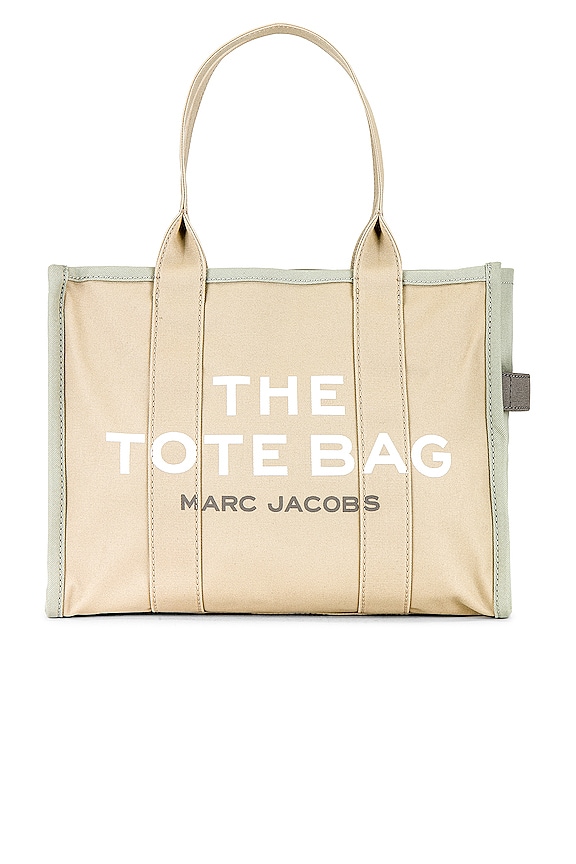
Marc Jacobs Mini Crossbody Outfit Ideas Cost and Value

The number of stores, and what kind they are

103 locations were counted on the label's own store locator on 29 September 2026, and the first number to internalize is the split behind that total: 46 boutiques and 57 outlets. Better than half of the doors you can physically walk into are outlet stores, and they run on rules that differ sharply from a marc jacobs crossbody bag full-price shop. Ownership of the brand changed on 1 September 2026, when WHP Global and G-III Apparel Group finalized their acquisition from LVMH, and more than 100 stores transferred to G-III along with the operating business. Marc Jacobs remained Founder and Creative Director, so nothing about the shop floors was rebranded overnight. The totals move as leases start and end, so treat 103 as a late-September 2026 snapshot, not a permanent figure. A fair number of people search marc jacob store in the singular, but the label is Marc Jacobs with the s, and it is worth spelling it that way when you hunt for a location.

Why SoHo sits at the head of the list, and what else New York offers

The first Marc Jacobs store opened in SoHo in 1997. The flagship sits at 127–129 Prince Street in New York 10012. When people say the Marc Jacobs boutique without specifying a city, this is usually the address they have in mind. A few streets west sits Bookmarc at 400 Bleecker Street, running since 2010, and it is a books-and-gifts shop rather than a clothing store. That distinction matters if you are building an itinerary, because Bookmarc is not where you try on a coat or compare tote sizes next to each other. A third option for Manhattan sits at Hudson Yards in a mall environment, which generally means a narrower edit than the downtown flagship carries. One practical note for visitors from abroad: Bookmarc does not ship its items internationally, so whatever you want from there has to travel home in your luggage.

The United States beyond New York

Outside New York, the boutique list is concentrated in the cities anyone would predict, plus a surprisingly deep bench of mall stores. Among the named US boutiques are Century City in Los Angeles, Miami Design District and Brickell, Oak Street in Chicago, NorthPark in Dallas, Houston Galleria, Lenox in Atlanta, Fashion Show in Las Vegas and Ala Moana in Honolulu. The mall roster takes in Roosevelt Field, King of Prussia, Tysons Galleria, Westchester, Somerset, Scottsdale, Fashion Valley, Valley Fair, Green Hills, Keystone, Oakbrook and St. Johns Town Center, which opened on 29 July 2025. That expansion was deliberate: a roughly 20-store expansion was driven by chief executive Eric Marechalle over about 16 to 18 months. In practice, a boutique now sits inside driving distance for far more American shoppers than it did a few years ago. Before you drive anywhere, though, read the locator entry carefully, because a Marc Jacobs outlet and a Marc Jacobs boutique can sit in one metro area and stock almost nothing in common.

The international picture is lopsided

Canada carries boutiques at Square One and Yorkdale, both of them in the Toronto area. Regent Street in London is the sole Marc Jacobs boutique on the continent and everything else in Europe is an outlet, which makes this the genuine surprise. The European outlets are at Bicester, La Vallée, Serravalle, La Roca and Las Rozas, all of them destination outlet villages instead of high-street addresses. With stores in Shanghai and Shenzhen, plus Beijing, Chengdu, Taichung, Jakarta, and multiple locations in both Hong Kong and Macau, Asia is where the boutique network actually lives. The Asian outlets extend across mainland China, Hong Kong, Taiwan, Thailand and Dubai. If you are in Paris, Milan or Madrid and searching for Marc Jacobs stores nearby, the candid answer is that you will end up at an outlet or ordering online, not browsing a city-center boutique.

What an outlet really means here

In this network an outlet is not just a boutique with lower prices, and the policy language is unusually blunt on the point. Merchandise purchased at any Marc Jacobs outlet store is considered final sale and may not be returned or exchanged. You cannot return a full-price retail purchase at an outlet, and an online order cannot be returned there either, so the restriction cuts both ways. The consequence most shoppers miss is the warranty one, because the brand states that final sale items cannot be repaired or replaced, and outlet items are all final sale items. In plain terms, the one-year manufacturing-defect coverage that extends to items bought from an authorized vendor with proof of purchase does not reach an outlet bag. None of this makes outlet stock fake or inferior, and the goods are authentic, but it does mean you should inspect an outlet purchase closely before you hand over a card.

Buying on the website: where it ships, and how fast

Beyond the United States, marcjacobs.com reaches 49 countries and regions, reaching across Europe, the Gulf, East and Southeast Asia, Australasia and the Americas. Australia, Canada, Chile, China, Japan, South Korea, Mexico, New Zealand, Saudi Arabia, Singapore, Turkey, the United Arab Emirates, the United Kingdom and most of the European Union are all on that list, though Japanese orders are routed through the Japan site instead. Some firm exclusions are worth knowing before you fill a basket: no APO, FPO or DPO addresses, no PO boxes, and no delivery to Puerto Rico or Guam. Within the US, ground shipping is free on orders above $50 and costs $9.95 below that line, with a Two Day Express option available, and those numbers were current in September 2026 and can change. Timing arrives in two parts that people routinely conflate, namely one to three business days to process the order, then another one to three business days in transit on UPS Ground. Budget up to six business days end to end rather than assuming the transit window is the full story.

Returns, exchanges and the mismatches that catch buyers out

US returns run 30 days counted from the shipment date, and the item has to come back unworn, unwashed, unaltered, with tags attached and in its original packaging. The brand generates a free prepaid UPS label, so it covers domestic return postage, and refunds go back to the original payment method typically within about ten business days. There are no exchanges at all on marcjacobs.com, which is the part that surprises people, so a wrong size means returning it and ordering again rather than swapping. Online orders also cannot be returned or exchanged in retail stores, which takes away the shortcut most shoppers assume exists. Returns made in US retail stores are themselves held to exchange or store credit only, with a receipt, in person, and a boutique visit will not return cash to your card. International returns carry a fee that differs by market, quoted at figures such as £16 in the United Kingdom, €20 in Europe, CAD$20, A$20, HK$200, ₩34,000 and THB 800, while original shipping is not refunded.

Channel by channel, at a glance

The single most useful habit when shopping this brand is to decide your channel before you decide your bag, because the channel determines what you can undo later. The brand says plainly that the products available in-store or online are not guaranteed to be the same, so assortment is not synchronized either. Prices can diverge between a boutique and the website too, and both vary by country, so a figure you saw in one place is not a promise anywhere else. A find-in-store function appears on the product pages, which is the fastest way to check whether a particular style is sitting on a shelf near you. The exchange rules should probably decide the channel for you if you are buying a gift, since the website offers no exchanges and the outlets offer nothing at all. The table below reduces the three routes to the practical trade-offs.

The channel What it stocks Returns The catch
Boutique stores (46 of 103 locations) Full ready-to-wear plus bags, jewelry, shoes and accessories; Bookmarc is books and gifts 30 days, exchange or store credit only, with receipt, in store No refunds in cash, and online orders cannot be brought back here
Outlets (57 of 103 locations) Off-price merchandise; all of Europe outside Regent Street is outlet-only None at all, final sale, no returns and no exchanges Final sale items cannot be repaired or replaced, so the warranty does not apply
marcjacobs.com Full online assortment; ships to the US plus 49 countries and regions 30 days from shipment, free prepaid UPS label in the US No exchanges at all, no returns in store, and international returns carry a fee

octubre 22, 2026 — No Comments

Understanding Coach Sneakers Style Notes and Tips

Coach Tote Bags: Picking the One That Fits Your Day

What earns a coach tote bag its place is how well it handles the day you live in practice, instead of the version in the product photo. Although some days call for a laptop, a charger and lunch, others require only a phone, keys and a card case. Everyday routines are walked through in this guide, alongside the Coach styles worth checking. Where launch years or current prices could not be tracked down, it makes that clear, holding to details that could be confirmed. Every price mentioned is an observed market price from 2026, not an official Coach price list, and prices move with colour, material and promotions. Coach sits in the accessible luxury tier, which a US federal court treated in 2024 as a handbag market distinct from both mass-market and true luxury. Comparing a full-price coach bag against an outlet deal or a restored pre-owned piece is easier with that context.

Your Routine, a Tote to Check: The Quick Match

Empty your current bag first and split what you carry daily from those you carry only sometimes. The daily pile sets the minimum size, while the occasional pile tells you whether you need pockets or a zip. Think about how you travel too, because a tote carried through a crowded station works harder than one resting on a car seat. Plenty of Coach bag names include numbers, such as the Willow Tote 24 or the Empire Carryall Bag 34, so go by the listed dimensions and not the name. Leather adds weight before anything goes inside, which matters if you walk a lot. The table below pairs common routines with styles to check, and the sections after it explain each match.

Your routine Coach style to consider What to check first Observed price
An office day with a laptop Empire Carryall Bag 34 How a laptop fits the listed dimensions Observed at £475 on Coach's UK website
Carrying a laptop on the shoulder Brooklyn Shoulder Bag 39 A slouchy shoulder bag, not a tote Not captured at this size
Errands at the weekend Willow Tote 24 Price and current availability Not confirmed in 2026
Travel Brooklyn Carryall Closure and strap details Not captured
Limited coach sandals uk budget Outlet totes like the Smith Tote Whether the seller is Coach's official outlet Outlet deals, advertised from $35
Pre-owned pieces Coach (Re)Loved restored pieces Condition notes for every listing Depends on the piece

The Desk Day With a Laptop

A laptop dictates a firm minimum width and a document folder shows up a floppy base, so work days test a tote more than any other day. The clear structured candidate is the Empire Carryall Bag 34, an elongated east-west carryall with top handles. Coach presented the Empire on its Fall 2024 runway and released the Empire Carryall in February 2025, when it was reported to have sold out on the day of release. On Coach's UK website it has been observed at £475, though materials and colours can alter that figure. Before paying, measure your machine against the listed dimensions, since this guide found no confirmed laptop sizing for it. As soft Empire styles are listed as separate bags, make sure you have opened the right product page. If you would rather carry a laptop on the shoulder, the Brooklyn Shoulder Bag 39 has been reported to fit a 15-inch laptop.

Weekend Errands and Relaxed Days

A lighter, easier tote that swallows a water bottle, sunglasses and a small shopping haul is what weekend errands call for. Begin with the Willow family, since Coach has listed it in pebble leather as a tote, a bucket bag and a shoulder bag. A Willow Tote 24 and a custom Willow Tote page have also featured on Coach's website, suggesting that personalised versions have been offered. Consult the live listing before making plans around the Willow, because this guide was unable to confirm the line's launch date or what it costs in 2026. An inner pocket or a zip is useful when the bag sits open on a café chair or in a shopping cart. Coach's Fall 2026 show included laceless Skate Sneakers in suede and canvas, which suit a relaxed outfit.

Travel Days

Travel days reward a tote that fastens securely, fits under a seat and holds a passport, headphones and a spare layer. The Brooklyn line launched in August 2024 as a slouchy natural-grain leather shoulder bag, and it has been sold in sizes 28 and 39. Do not mix up the Brooklyn Shoulder Bag with the new Brooklyn Carryall shape reported for Spring 2026, as they are different bags. This guide did not confirm the Carryall's closure or strap details, so read the current listing carefully before relying on it for a flight. Planning to shop while visiting Great Britain? Bear in mind that tourist tax-free shopping ended there on 1 January 2021. The price on a UK store tag already includes VAT, and there is no VAT refund to claim when you fly home.

The Budget Day: Outlet, Sale and Pre-Owned

A tote you use every day does not have to be a full-price purchase, and Coach runs three official routes that cost less. The first route is Coach Outlet, Coach's own channel, which runs physical outlet stores and an official online outlet on Coach's own website. Totes like the Smith Tote have been part of outlet promotions, with deals advertised from $35 and up to 70% off. Those are advertised figures rather than guaranteed discounts, and they come and go without a fixed calendar. On the full-price website, the next route is a coach bags sale, where markdowns rotate through selected styles. Launched by Coach in 2021, the resale, repair and upcycling programme Coach (Re)Loved makes up the third route and sells restored bags. Outlet pieces have been reported as ineligible for trade-in through (Re)Loved, which is worth knowing if you could trade a bag in later.

Which Material to Choose

Your choice of material shapes how a tote handles on day one, and how it looks after a year of commuting. Glovetanned leather is a finish modelled on the way a worn baseball glove softens, and it is credited to Miles Cahn from Coach's early decades. As Coach describes it, this leather is made to soften with use, making it a fit for anyone who prefers a bag that relaxes over time. Seen across the Willow family, pebble leather has a grained surface and not a smooth one. The Signature "C" canvas dates only to 2001, which makes it a modern logo pattern rather than mid-century heritage. Launched on 20 April 2023, the circular-design sub-brand Coachtopia first offered bags reported to use at least 50% recycled leather fibres, useful to know if recycled content matters to you.

Some Tote History

Coach did not begin with totes, or even with handbags. The business began as a small Manhattan leather workshop, founded in 1941, that made men's small leather goods such as wallets. Coach's first lead designer, Bonnie Cashin, was with the brand from the early 1960s until 1974. She is credited with styles including a shopping-bag tote, along with side pockets and brighter colours. In 1964 she introduced the brass turnlock closure that still appears on Coach bags. Seeing whether a modern design borrows from the archive or is entirely new becomes easier when you know that history.

Before You Buy: A Short Checklist

The most common tote regrets can be headed off with a few quick checks. Go by the listed dimensions, not the number in the style name, after measuring the items you carry most. Find out whether the tote closes: an open top is no problem at a desk and is harder on a busy train. Buy from Coach stores, Coach Outlet stores, Coach's own website or authorised retailers, since Coach says it does not authenticate bags or check serial numbers for customers. Blanket discounts that steep match the fake-outlet pattern, so treat any site offering coach handbags at 90% off everything with suspicion. Finally, keep your receipt and packaging until you have carried the bag through a normal week.

  • Laptop or folder slips in with room to spare
  • Comfortable handles or straps even when the bag is full
  • A closure that suits how you commute
  • Price matched with the current listing
  • Seller verified as an official Coach channel

octubre 21, 2026 — No Comments

How to Style Righteous Summer Shorts Outfit Pairing Ideas

Building an Outfit With Righteous Clothing When Temperatures Drop

You don't have to sacrifice style just because the temperature drops, and that certainly doesn't mean digging out the same shapeless coat you've leaned on for five winters straight. Layering is a craft, and as soon as you know how the weight of the fabric, silhouette, and fit work together, you can build looks that feel deliberate instead of thrown together. This guide walks through practical layering strategies using Righteous apparel, with an eye toward what actually keeps you warm versus what only appears warm. Should you be looking for a thorough review of Righteous before signing on for a cold-weather wardrobe, treat this as a practical rundown of how the items function in actual weather, not just on a hanger.

Effective layering hinges on controlling warmth, not just piling on fabric. Several lighter layers almost always work better than one thick layer because they hold in air pockets that your body heat raises the temperature of. This is elementary heat science, and it's why mountaineers and city commuters alike swear by the identical three-layer approach: a base layer, a mid layer, and an outer layer. We Are Righteous builds pieces that fall into each of these categories, which streamlines the process to combine and coordinate without guessing what goes with what.

The Base Layer Comes First

The base layer sits against your skin and does one job: handling sweat. If this layer holds moisture in instead of moving it away from your body, the layers on top no longer do their job, and you'll feel damp and chilled within about an hour outdoors. A properly fitted tee or long-sleeve from the Righteous clothing range works well here because a fit that's close without being restrictive cuts down the space between skin and fabric, which speeds up heat retention.

Cotton offers comfort, but it stays wet once it's wet, so if you're preparing for genuinely cold conditions rather than mild autumn afternoons, righteous mens shorts take note of garment weight and how the fabric is listed in the product details. A heavier jersey knit will insulate better than a light-weight shirt, even if both are the same shape. This is a case where the details matter more than the picture.

Fit also affects how the next layer rests over it. A base layer that's too loose will crease unevenly under a mid layer, creating uncomfortable pressure points and uneven insulation. Look for something fitted close through the torso and arms, with enough room to move without restriction. Six or seven degrees of temperature difference can completely change which base layer weight makes sense, so don't take it for granted one tee works for every cool-weather scenario between September and January.

Bring In a Mid Layer to Insulate

Here is where the noble hoodie carves out its place in the wardrobe cycle. The hoodie serves as the heat-retaining layer, holding heated air tight against the body while still providing enough airflow that you don't start sweating as soon as you walk indoors. The hood component contributes a useful bonus: covering the neck and head reduces thermal loss substantially, since a disproportionate amount of body heat escapes through areas not covered.

In selecting a hoodie for layering needs, how it fits counts just as much as it does for the base layer, but in the opposite direction. You want enough give to without strain layer a tee underneath without feeling hemmed in, but not so much extra fabric that it becomes bunchy under a jacket. A softly eased cut through the shoulders and body, with snug cuffs, tends to layer best because it seals in warmth at the wrists without creating bulk elsewhere.

Zip-front hoodies offer more heat regulation than pullover styles because you can regulate airflow without fully removing the layer, which is useful during shifting seasons when mornings are brisk but afternoons turn mild quite a bit. Pullovers, on the other hand, tend to deliver a bit more warmth retention since there's no zipper seam allowing drafts. There's no clear superior choice; it depends on whether you're gearing up for a static commute or a day with variable temperatures.

Many people researching Righteous review threads tend to wonder about hoodie warmth-to-weight ratio, and the candid answer is that it comes down to what you're wearing beneath and above it. A hoodie is a middle layer, not a self-sufficient cold-weather solution, and using it that way is the number one layering error people make once the mercury falls below the point where a lone sweatshirt is sufficient.

Complete the System With an Outer Layer

What the outer layer does is to stop moisture and wind while allowing the layers underneath do the work of insulating. This is where many people spend too much or plan too little, buying a bulky coat that's too much for 50-degree weather or a thin jacket that does nothing once the wind kicks in. Aligning your outer layer to the real conditions, rather than the year's coldest day, keeps your layering system adaptable.

For most cool-weather days, a mid-weight jacket layered over a Righteous hoodie and base tee covers a broad span of temperatures without requiring a change of clothes every time the forecast moves by a few degrees. The key is picking an outer layer loose enough to accommodate the hoodie beneath it without squeezing it, since compressed insulation loses effectiveness. Squeezing expels the air pockets that were doing the real work of maintaining your warmth.

Give consideration to length as well as width. A jacket that stops right at the hip complements a longer hoodie underneath, since the extra coverage prevents cold air from sneaking in at the waistline. This detail seems minor, but anyone who's felt a cold gap at their lower back on a windy day knows exactly how much it matters.

How Each Layer Stacks Up, Side by Side

Laying out each layer's function next to one another makes shopping with purpose simpler than relying on guesswork. The table below details what each layer is responsible for and what to emphasize when picking garments from a Righteous apparel collection or building out a layering system in general.

Layer Chief Purpose Fit Priority Example Piece
Base Layer Handling moisture while providing initial insulation Snug, close to skin Righteous long-sleeve or tee
Mid Layer Trapping warmth and holding in heat Loose through the torso with snug cuffs Righteous hoodie
Outer Layer Wind and moisture block Roomy enough for mid layer Mid-weight coat

Notice that each layer has a distinct job, and none of them can fully substitute for another. Going directly from bare skin to a hoodie—bypassing the base layer—costs you the sweat-managing benefit that keeps things comfortable during exertion. On a windy day, skipping the outer layer means sacrificing most of the insulation you've built up underneath, since wind draws off heat much more quickly than still air does.

Workable Combinations for Actual Conditions

Specific combinations help more than general guidance, so below is how layering usually breaks down across a cool-weather range, based on the Righteous clothing brand lineup as the framework. These shouldn't be treated as rigid rules, but they serve as a sensible baseline based on how each layer type functions.

  • 55-65°F: A single Righteous tee is often enough during the day, with a hoodie on standby for evening temperature drops.
  • 45-55°F: A base tee plus a hoodie covers most conditions with no need for an outer shell, especially in low wind.
  • 35-45°F: Full three-layer system becomes necessary, particularly if you're outdoors for more than 30 minutes at a stretch.
  • Below 35°F: Consider a heavier base layer weight and a insulated outer layer, since the hoodie mid layer alone won't hold enough heat.

These ranges shift depending on wind, humidity, and personal cold tolerance, so treat them as a framework rather than a strict formula. For those who run cold, bumping up every threshold by five to ten degrees is a sensible move—based on experience rather than guesswork.

Mistakes People Often Make When Layering

The right pieces alone aren't enough, because poor layering practices can undercut the entire system. The most typical mistake is keeping each layer identically sized, which creates added bulkiness instead of effective insulation. Instead of matching sizes, every layer should expand incrementally roomier toward the outside.

A second frequent pitfall is neglecting the extremities. Wrists, neck, and ankles lose heat fast, so a hoodie with a well-built hood and close-fitting cuffs does more practical work than it usually gets credit for. Overlook these points and focus only on the torso, and you'll leave gaps in an otherwise solid system.

Last, avoid judging a layering system merely by how it looks on a store shelf or in a photo. In ways not always obvious until you're outside in the wind, fabric weight, weave density, and cut all affect real-world performance. Trends matter far less than reading a detailed we are righteous brand breakdown, checking actual product specs, and understanding your own layering habits, which is part of why it matters more. Construct the system sequentially—base to mid to outer—and calibrate each piece according to the conditions you're actually dressing for rather than the conditions you'd prefer.

octubre 21, 2026 — No Comments

How to Wear HMDD Mesh Shorts First Impressions

Why HMDD's core line Connects Deeply With a Fresh Cohort of Consumers

Sometimes a phrase hits deeper than a logo ever manages to, and that's just what has happened with HMDD. "Happy Memories Don't Die" first appeared as a simple line of text and has grown into a wearable philosophy that a more emotionally attuned, younger group of shoppers has adopted as their own. It isn't just a slogan sewn into sweatpants and shorts; it functions as a small act of resistance against a culture that shifts too quickly. Even as trends vanish within weeks and algorithms sink posts within days, this one phrase continues to resurface — in feeds, in closets, in search bars. That staying power is worth examining, because it says as much about the generation buying HMDD as it does about the brand itself.

Anyone typing "happy memories dont die" or looking up "hmdd review" isn't simply shopping. They're attempting to figure out why a piece of clothing has made them feel something. This article looks at the emotional mechanics behind the phrase, how HMDD has translated that sentiment into product, and what shoppers should actually expect before they buy.

What Sits Beneath the Phrase Emotionally

Nostalgia and grief were once kept private. Social media shifted that reality, turning personal memory into shareable content, and an entire generation grew up documenting hmdd mesh shorts their own lives in real time. When something ends — a version of yourself, a relationship, a friendship — there's now a public record of it. HMDD taps directly into that reality. The phrase "happy memories don't die" doesn't erase loss; it casts it in a new light. It tells the wearer that the good moments stay meaningful even after the circumstances around them have changed.

This matters more to shoppers born after 2000 than it might have to previous generations. Surveys on Gen Z consumer behavior consistently show a preference for brands with genuine narrative or emotional weight over brands built purely on aesthetics. A 2024 Morning Consult study found that 62% of Gen Z respondents said they were more likely to buy from brands whose messaging reflected their personal values or emotional state. HMDD sits firmly inside that data point. It isn't selling escapism; it's selling permission to hold onto something good.

There's also a quieter, more practical layer to this. Clothing with a message becomes a conversation starter, a low-stakes way to signal something personal without having to put it into words. A hoodie or a pair of hmdd sweatpants with the phrase visible takes on some of the emotional work for the wearer. That's a small but real utility, and it explains part of the repeat purchase behavior the brand has seen.

How the HMDD Brand Shaped a Sentiment Into a Product Line

Lots of brands attempt to sell a mood. A smaller number are able to build a consistent product line around it without the message feeling tacked on. HMDD's approach has been to keep the phrase central but let the garments themselves stay simple — restrained tones, simple silhouettes, minimal branding beyond the core text. This is a deliberate choice. Keeping the emphasis on the words instead of heavy branding is part of why the pieces come across as sincere rather than promotional.

Rather than taking off in a sudden burst, the product lineup has grown steadily. Printed tees and hoodies shaped the initial offerings, and since then the selection has expanded to include hmdd shorts and sweatpants — both now among some of the more searched items under hmdd clothing queries. This particular move into loungewear carries weight, because loungewear is used more regularly and for extended periods than outerwear. A phrase people see on a hoodie once or twice a week is distinct from a phrase people see on sweatpants they live in around the house. Seeing something again and again deepens attachment, and that attachment is what converts a customer into a repeat buyer.

Community involvement has contributed too. HMDD has established a presence through hmddla, the brand's Los Angeles-based identity, anchoring the brand to a specific place instead of allowing it to drift as an abstract internet label. That sense of place gives the brand a feeling of provenance, something that appeals to shoppers who are more and more doubtful about labels that seem to have no real home or backstory.

Here's What Buyers Are Really Sharing

Any honest hmdd review has to separate the emotional pitch from the physical product, because shoppers ultimately need both to hold up. Feedback across resale platforms and community forums points to a few consistent themes: the sweatpants run true to a relaxed, streetwear-informed fit, the shorts are favored for warmer months and layering, and the phrase placement is generally described as tasteful rather than oversized or gimmicky. Fit consistency across drops has been a recurring point of praise, which matters in a market where sizing often shifts release to release with little warning.

Where complaints surface, it mostly concerns availability rather than quality. Popular sizes in hmdd sweatpants and shorts sell out quickly because drops are limited, and restocks aren't always predictable. That unpredictability can be frustrating for a shopper trying to build a full rotation around the brand, even as it deepens the feeling of rarity that sustains strong demand.

Loungewear usually leads the pack when people ask what the best hmdd clothing is to start with, simply because of how often it gets worn. A graphic tee could see about five wears in a month; a well-fitting pair of sweatpants might get fifteen. Such frequent wear contributes to why the loungewear category has outperformed competing categories in terms of search demand on the way into 2026.

HMDD's approach Measured Against Comparable Statement-Led Street Fashion Brands

Positioning HMDD within the larger market makes more sense when one sets it against other brands that are anchored in a signature line or feeling-based identity, rather than relying on style alone.

Factor HMDD Message-Focused Streetwear Brand, Commonly
Central identity One consistent phrase used throughout every product line Multiple slogans frequently rotate each season
Focus of the product line Graphic tops combined with loungewear-heavy pieces (sweatpants, shorts) Tees and hoodies usually lead the lineup
Regional brand identity Rooted in LA (hmddla) Often not tied to any specific location
Model for releases Restocks happen intermittently after limited drops Similar limited-drop model, but restock frequency varies widely
What customer sentiment centers on Sincerity of message paired with consistent fit Frequently focused on resale value and hype

This kind of contrast isn't claiming HMDD is objectively superior; it highlights a different set of priorities. In cases where message-focused brands swap taglines often to maintain a sense of freshness in the catalog, HMDD has held fast to just one line, operating on the belief that substance counts for more than novelty. This approach seems to be validated, as shown by the phrase's ongoing, consistent presence in search behavior long after it first came out.

Into 2026, The Reason This Appeal Is Likely to Continue

A collective sense of exhaustion with winking and hollow, short-lived fashion promotional tone has been gathering force for a number of years, and 2026 shopping behavior echoes that turn. Buyers are turning toward brands that offer an honest message, even if that sincerity is unadorned. "Happy memories don't die" works precisely because it avoids straining for effect. It doesn't rely on a cleverness that fades badly; its emotional resonance endures, which is a rare virtue in an industry structured around engineered short-livedness.

It's also worth noting an economically grounded angle. As remote and hybrid work patterns continue to keep comfort-first dressing relevant, loungewear categories, including sweatpants and shorts, have exhibited steady year-over-year growth across the board. HMDD's move to double down on these categories sets up the brand favorably toward ongoing relevance rather than dependence on outerwear's seasonal cycles.

Search data confirms this too. Instead of steep jumps that fade into drop-offs, search activity for terms such as hmdd clothing and hmdd sweatpants have displayed consistent month-to-month trends, which usually points to lasting demand as opposed to a passing trend. This trend suggests it isn't coasting on a single viral moment; instead it's building a customer base that returns.

For customers trying to decide if it's worth investing in the brand, the bottom line is easy to summarize. Prioritize the loungewear first if you plan on wearing it often, expect limited restock windows, and consider the phrase to be the true product — the clothing is merely the vehicle that carries it. What few brands can pull off, HMDD has achieved — giving a phrase the feel of clothing — and those accustomed to disposable content seems sincerely comforted to wear a piece declaring the good parts of the past haven't lost their relevance.