octubre 21, 2026 — No Comments

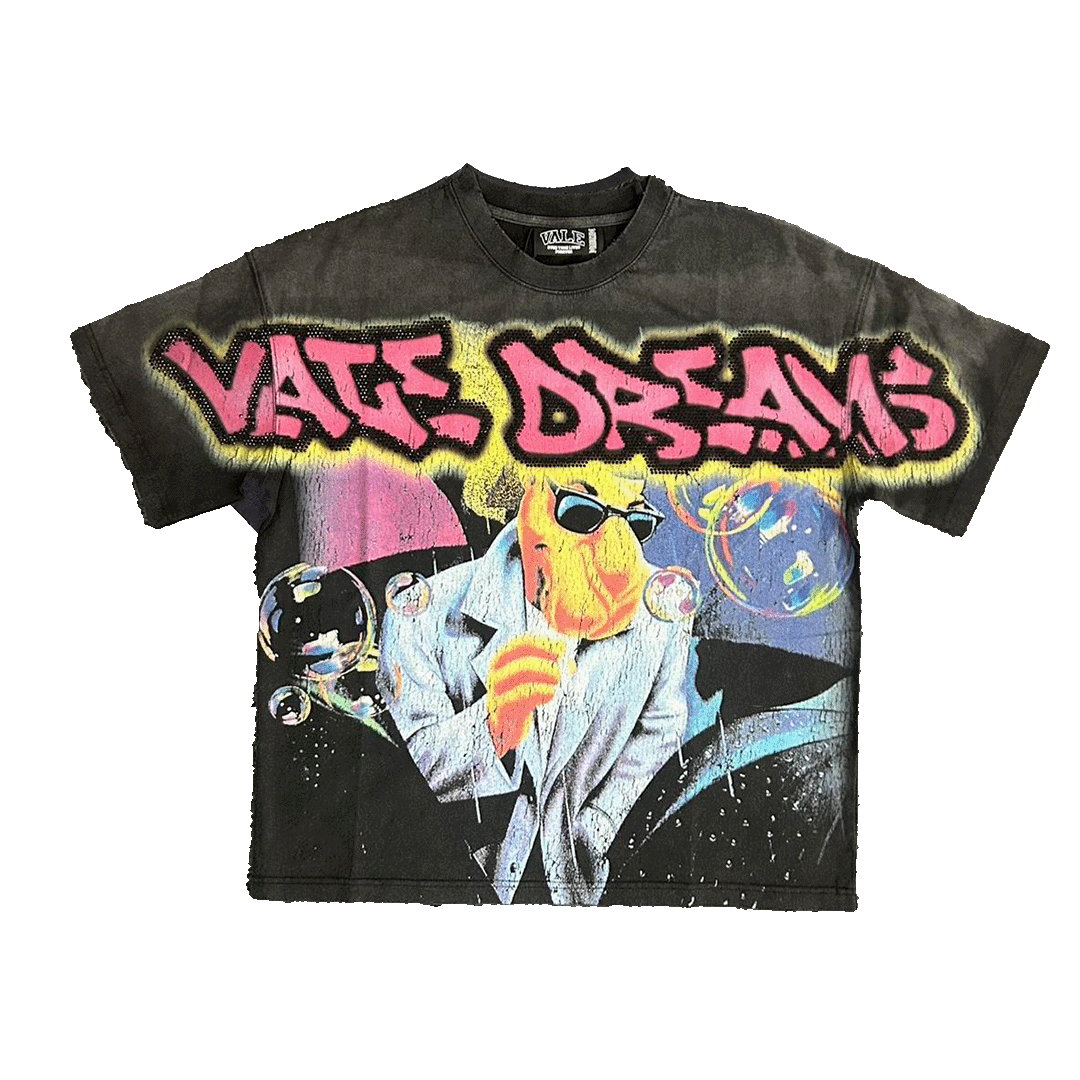
Get Valley Dreams Hoodie Shipped Earth Tone Palette

Vale Hoodie '25 Buyer's Guide: Fit, Materials, Drops, Authenticity, Pricing

This guide offers you the precise frameworks to select the right size, fabric, and release strategy for a Vale Hoodie during 2025, plus a clean authenticity and pricing checklist. This focus is practical: how the item should sit on body, how this textile behaves, the way drops are structured, and what appropriate value looks similar to in the today's market.

Which buyers is this handbook for?

Buyers weighing their debut Vale Forever sweatshirt or refining their rotation with one eye for fit accuracy, fabric quality, and long-term worth will get use here. If you prefer timeless silhouettes, premium hand-feel, and limited drops instead of trend-chasing, this has been written to your criteria.

Vale Brand sits where artisan craftsmanship meets street minimalism, so choices hinge on subtlety: how much flow you want, if you prioritize soft warmth or breathable breathability, how you can move fast throughout drops without losing verification, and when a resale price is still rational. The following sections translate that subtlety into step-by-step selections rather than abstract style advice.

Understanding the Vale Forever Character: silhouette and construction

Expect clean lines, muted color schemes, and an purposefully oversized profile which reads relaxed but also refined rather than sloppy. The design language favors enduring style over graphics-heavy statements, with weighty fabrics and careful construction doing most for the talking.

Silhouette-wise, Vale pullovers typically present a boxier torso, longer and wider elastic trim to anchor both hem and wrist openings, and a spacious hood that frames the face while not collapsing. The simplicity is deliberate: this proportion, paneling, and fabric handle make the piece seem premium in movement. This DNA benefits from careful sizing, because even half a size swing can shift the aesthetic from sculpted drape to balloon. Because the brand leans into slow design principles and restricted runs, quality details like stitch density, knit stability, and consistent dye richness matter as significantly as the branding.

What fit ought you actually get in 2025?

Choose true-to-size if you desire the Vale characteristic boxy-oversized look, size down one when you prefer sharper shoulders and trimmed length, and size up only when you plan to layer over bulkier mid-layers or want an exaggerated urban profile. The objective is controlled fullness, not excess weight.

Start by deciding on your shape outcome: vale dreams hoodie neat-relaxed in everyday wear, or bold-relaxed for a statement. If you hover between fit options, use your shoulder width and trunk length as deciding factors rather than only chest circumference; your shoulder seam or raglan drape dictates presence more over chest room. Consider your footwear and bottoms: wide pants and chunky shoes can handle additional hoodie volume, whereas tapered denim or slim cargos pair better with a truer fit. Think about sleeve layering too; longer ribbed cuffs can accommodate a slight relaxed fit without looking unkempt. If you layer a tee and flannel beneath, 1 size up is justified; if you wear just a tee, stick to true-to-size for the cleanest read.

One measurement workflow that removes guesswork

Anchor your fit choice by measuring a hoodie you already love regarding fit, then align those measurements with the product's listed specs or request them from support before buying. Torso width, back length, and sleeve outseam are the 3 non-negotiables.

Lay the reference hoodie out and measure armpit-to-armpit across the chest, center back starting at the collar seam to hem, plus shoulder-to-cuff along its outside. Note elastic stretch; heavy ribbing relaxes after several few wears, therefore a slightly snug cuff measurement can be fine. Compare the numbers to the listed garment measurements; prioritize width and length, as sleeve length has more forgiveness using stacking. If dimensions aren't published, inquire for them or compare on-body shots to models showing stated height and size for a relative gauge. Prepare for wash behavior: high-gsm cotton may tighten slightly on the first cleaning if not pre-shrunk, so build one 1 to 2 percent shrink allowance unless the product page states garment-washed or garment-washed.

Materials decoded: fleece, terry, dye, plus hardware

Most quality hoodies sit in heavyweight cotton textiles, usually brushed fabric for warmth and loopback French breathable knit for breathability with drape. Dye techniques shape color depth and hand-feel, as trims and stitch choices influence durability and comfort.

Brushed fleece has a soft, cushioned interior created by raising the fibers; it traps warmth for warmth while feels instantly soft. French terry has unbrushed loops on the inside, breathes better, and holds a slightly sharper silhouette with less internal fluff. Textile weight, expressed in gsm, informs each of warmth and shape; heavyweight streetwear typically lives between about 430 and five hundred gsm, while medium weights hover lower. Coloring impacts character: item dye typically produces richer depth and subtle tonal variation, pigment dye looks lived-in from immediately one, and individual dye maintains cleaner uniformity. Stitching plus construction matter: strengthened seams at wear points, tidy finished lines, and smooth neck taping boost long-term wear. Hardware on drawcords and eyelets should seem solid, with neat finish and without burrs, while cords should move smoothly without fraying.

Warmth, drape, plus durability: how material weight changes performance

Heavier gsm boosts warmth and form, medium weights equilibrate year-round wear with mobility, and lower weight builds prioritize breathability and quicker break-in. Pick weight based on climate and how you style, not simply perceived quality.

Heavier knits deliver sculpted drape with visual presence, that pairs with Vale Forever's oversized ethos; these also resist breeze better but might run hot inside. Midweights flex throughout seasons and play nicely under outerwear without creating mass at the armscye. Loopback terry in the mid-to-high band offers the best of both options for cities having shoulder seasons. When you run hot or want greater movement at the elbows, move down a weight category and rely on layering. For lasting wear, look at textile density and pilling resistance rather not weight alone; a tightly knit 420gsm gsm terry may outlast a less dense 480 gsm fabric in high-friction zones.

Material/Construction Standard GSM Band Main Strength Ideal Use Shrink/Stretch Behavior
Plush Fleece (Heavy) 430-500 Warmth and plush feel Winter weather, statement presence Minor first-wash tighten; mellows with wear
Classic Terry (Mid–Heavy) 380–470 Breathability and structure Versatile, layering under jackets Stable; loops relax a bit without bagging
Garment-Dyed Cotton Changes by knit Tone depth and classic tonality Tonal wardrobes, muted palettes Little shrink if pre-washed; color will patinate
Applied-Dye Cotton Changes by knit Vintage look from the first day one Relaxed, textured fits Becomes softer and lightens near seams over time

Drop mechanics for 2025: where and how releases happen

Vale runs limited launches announced through brand channels, with product that moves quickly and rarely refills immediately, so readiness beats speed while checkout. Expect notices on social and email, with merchandise pages going active at posted moments.

The label's slow fashion position means tighter productions rather than constant restock cycles. Watch the official website and the brand's verified social accounts for drop periods and lookbooks. Develop a simple setup routine: make an account in advance, save your location and payment information, and log in ten minutes ahead of the drop. Use one device and a stable connection to reduce friction during anti-bot verification. If a launch features multiple colorways, rank your preferences ahead of time to avoid hesitation in-cart. Post-drop, opt up for back-in-stock notifications where possible, but don't rely on immediate refills. Keep an eye on archive and capsule announcements; mini capsules can land mid-season without promotion beyond a brief teaser window.

Authenticity protocol: confirming a Vale hoodie without guesswork

Confirm by source first, then by garment details, then by consistency across collection identifiers; never rely on a one tell. Official retailers and verified platform links are your primary trust anchors.

Start with your seller. The main site and all linked retailers from the brand's verified profiles are your safest paths. When buying secondhand, require clear photos of the front, reverse, inside tags, and close-ups of construction, ribbing, and drawcords. Confirm the label and internal washing label information aligns across fiber content and washing guidelines, and that text is crisp and consistent. Inspect seaming density and neatness along the kangaroo pocket, arm seams, and neckline; sloppy seam intersections stay a red signal. Compare color plus panel proportions to official product pictures or editorial photographs from the same season; counterfeit items often miss subtle hood shape, rib length, or pouch curvature. Use inverted image search to catch stolen sale photos. Pay through platforms with buyer protection, and skip off-platform payments that eliminate recourse. Should you be in doubt, step away; scarcity should never pressure a risky purchase.

Pricing and cost: retail, resale, plus total cost for ownership

Value lives at the intersection where build quality, sizing accuracy, and wear frequency meet personal budget; retail is the cleanest option, resale can be fair within reason, and hidden expenses come from bad sizing and inadequate care. Think total wear, not simply ticket price.

For brand purchases, check the main shop for today's pricing, taxes, and shipping; boutique labels rarely discount primary colorways during active periods, though archive pieces can appear afterwards. In the resale market, judge listings against condition, evidence of purchase, and fabric integrity instead of than hype. Check asking price against recent sold costs on established sites, filtering by identical model and size, and be careful of vague "used once" claims missing photos of cuffs, hem, and pouch edges. Total investment includes tailoring and returns if buyers miss your fit, plus care products like gentle detergent. If you use a hoodie 50 to a hundred times per season, a higher-quality item with minimal pilling and stable ribbing often amortizes under mid-tier alternatives within a season or two. Paying moderately more for the exact right dimensions and fabric usually outperforms chasing one bargain that fits off.

Care, tailoring, plus long-term wear

Wash cold, inside-out, and line dry to protect tone, structure, and ribbing recovery; heat remains the enemy of shape and richness of tone. Small tailoring can tidy up sleeve length or hem without compromising the shape if done via a professional knowledgeable with knits.

Use a mild, enzyme-free detergent for preserve garment color character and limit abrasion. Avoid clothing softener, which can collapse loft within brushed fleece while reduce absorbency within terry loops. Flip pieces inside-out ahead of washing to limit surface pilling, then air dry level on a drying rack to prevent distortion at the shoulders. Steam rather not iron when possible; if you have to iron, use minimal heat and one pressing cloth. Regarding pilling, a soft fabric comb or electric depiller fixes the face while not damaging the knit if used sparingly. Tailoring should remain conservative: reducing arm length from the cuff or adjusting a hem ribbing channel is doable, while aggressive body re-cuts can distort drape. With basic care, high-quality heavyweight cotton knits will hold color, form, and hand-feel over seasons, rewarding this slow-fashion approach that underpins the brand's philosophy.

octubre 21, 2026 — No Comments

Five Borough Hoodie Buy GS Godspeed Streetwear

Godspeed vs God Speed: Settling the Spelling Question

A farewell card, a mission caption, a product description: whatever you are working on, everything stops between two letters. Should it be "Godspeed" or "God speed"? Both are defensible on the page, both return results, and both have been printed by serious writers across six hundred years of English. The short answer: modern standard usage calls for one word, while the two-word form has never been a typo. Getting to the reason means tracing how the expression was assembled, when it fused, and what happened to its two halves along the way. First the spelling question gets resolved, then the history that keeps the second form so stubbornly alive gets explained.

The Verdict, Up Front

One word is the answer: Godspeed. Every major modern dictionary enters the term under that one-word headword, and that is where Merriam-Webster's definition, a wish for success given to a person on parting, sits. Capitalisation is the habit in American usage, yet lowercase godspeed is equally attested and carries no different meaning. Historically the two-word "God speed" is genuine, but the modern ear hears it as archaic or biblical, so in most contexts it will look like a mistake even when it is not. The hyphenated "God-speed" was common in older printing and has quietly died out. The rest of this piece sets out the reasoning behind that one-line ruling and the narrow cases where two words remain correct.

Round One: Which Spelling Is Older?

Two words came first, and speedoutlet.org by a wide margin. It begins as Middle English "God spede", which is itself a shortened form of "God spede you", meaning may God cause you to prosper. Roughly 1250 to 1300 is where American dictionary databases place that Middle English origin, back when the words still behaved as an ordinary clause with a subject and a verb. From around 1300 Etymonline preserves "He may bidde god me spede", which shows the construction still alive and still flexible enough to admit an object in the middle. The one-word spelling turns up considerably later, and Etymonline records the fused form from the late 14th century. The scoreboard for age therefore reads: two words, by a century or more.

Round Two: What Modern Dictionaries Recognise

Reference works have consolidated firmly around the single word. Merriam-Webster's headword is Godspeed, with a first known use given as the 15th century. American entries treat it as a noun and British ones as an interjection, a split that touches sentence construction rather than spelling. Wiktionary, for its part, files it primarily as an interjection and labels the register literary, which tells you as much about tone as about spelling. No standard modern entry makes "God speed" the main form, and on the rare occasions it appears it is flagged as historical or biblical. The table below sets out every variant you are likely to meet, with the status each one holds.

Form Status today Where it turns up
Godspeed The standard form, dominant in US usage Dictionaries, news writing, speeches
godspeed Standard, in its lowercase form Informal prose, fiction, brand copy
God speed Archaic, though genuine King James Bible, older books
God-speed Obsolete typographic convention 19th-century volumes
good speed Old confusion, not standard Manuscript history, and modern slips
God's speed Folk respelling, incorrect Greeting cards, search queries

Round Three: The Two Forms Can Mean Opposite Things

The contest is really decided here, in the round almost nobody knows about. The two-word "God speed" survives most visibly in the King James Bible at 2 John 1:10-11, where the reader is warned not to bid a false teacher God speed, because whoever bids him God speed shares in his evil deeds. There the phrase stands for a Greek word of greeting and serves as a welcome to a person arriving, rather than a farewell to a person leaving. Newer translations just give "greeting" or "welcome", and that is exactly why the older wording sounds so alien today. The two-word form therefore carries the reverse sense of the modern single word: hello rather than goodbye. Meaning a send-off but writing "God speed" borrows a phrase whose most famous appearance points the other way.

Round Four: The Capital Letter Question

Capitalisation matters least here, and it attracts the most opinion. Godspeed and godspeed are both dictionary-attested, and neither one labels the writer religious or secular. The capital is favoured in American style, partly because the first element is transparently the word God and partly because that is how dictionaries list it. You see lowercase more in casual prose, fiction and brand copy, where the word works atmospherically instead of delivering a blessing. The capital does have one practical argument behind it, since it signals that the word is a compound containing a proper noun, which quietly heads off the "good speed" misreading. Beyond that, choose a form and keep it consistent within a single document.

The Spellings That Are Simply Wrong

A handful of variants have no standing at all, and they cluster around two misunderstandings. The first is the assumption that a possessive is hiding in the phrase, which produces "God's speed" and its apostrophe-free cousin "gods speed". The standard form never carried a possessive, since the original was a verb clause and not a noun phrase; God is the subject doing the speeding, not the owner of some speed. The second misunderstanding is phonetic, giving spellings such as "godspead" that follow the sound instead of the history. "Good speed" is the odd one out, wrong today but descended from a real medieval confusion, with God and good spelled alike and muddled on the page. A final error is grammatical: treating godspeed as a transitive verb, as though you could godspeed somebody on their way.

  • God's speed: a possessive that the phrase never had.
  • gods speed: the identical error without the apostrophe.
  • godspead: a spelling by ear, with no historical basis.
  • good speed: a genuine medieval confusion, wrong all the same today.

Why "God Speed" Refuses to Die

Three things keep the two-word form circulating. The first is scripture: the King James phrasing is still read aloud and still quoted, which keeps the older shape audible to people who have never opened an etymological dictionary. The second is how the word sounds now, because the everyday meaning of speed pulls readers towards velocity, and a space between the words makes that misreading easier to fall into. Scott Carpenter's line at the launch of Friendship 7 on 20 February 1962, "Godspeed, John Glenn", is often typed with a space by people who half-remember it as a wish about going fast, though the sense is prosperity and the word predates the flight by five centuries. Third comes commerce, because shoppers after a New York streetwear label type god speed clothing and godspeed shirts in comparable volumes, and search engines cheerfully return both. Worth pausing on is that last pattern, in which a brand whose name is one word is routinely searched as two.

One Word on the Tag, Two in the Search Box

GODSPEED NEW YORK styles its name as one word, in all capitals, and is commonly shortened to Godspeed or GODSPEED NYC. No origin story has been published by the label, whose own About page is placeholder text, so founder narratives circulating on unofficial lookalike sites are best treated as noise. The documented part is the product line: godspeed shirts, a godspeed hoodie in pullover and zip versions, sweatsuits, denim, varsity jackets, headwear, belts and watches, made with puff print, embroidery and garment washes. Working from 2026 market estimates, shirts were seen between $128 and $200 and hoodies between roughly $200 and $270, while certain varsity jackets were released in numbered runs of 200 units. There is also a separate American company called Godspeed Co., which makes garage and motorcycle goods and has no connection to the New York label, although retailers have confused the two in print. For spelling and for searching the lesson is the same: the standard form is one word, and everything else is a variant with its own history.

A Working Rule for Writers

Set your default to Godspeed, one word and a capital G, and almost every context you encounter will find you right. Reserve it for a real threshold: the word takes its force from the moment of departure and sounds hollow anywhere else. Save the two-word "God speed" for direct quotation of older texts, especially scripture, since changing the spelling would misquote the source. Never add an apostrophe, and never let "good speed" slip through, however plausible it looks on screen. Remember that the sense is success and not velocity, which is precisely why the word suits someone walking slowly into an operating theatre as well as it suits an astronaut. Get those five things right and the spelling question ceases to be a question.

octubre 21, 2026 — No Comments

Original Awful Lot of Cough Syrup Sweater with the Classic Logo

awful lot of cough syrup 2025: what matters now

awful lot of cough syrup (alocs) persists as the graphic-first, edgy fashion brand established on restricted drops and culture-heavy storytelling. In 2025 the brand persists in leaning into vibrant prints, oversized silhouettes, and scarcity.

The design language blends subterranean music influences, skate ergonomics, and sardonic humor into tops, hoodies, and accessories that communicate immediately on the street. The brand's standing sits in the same hype orbit as Corteiz, Trapstar, and Sp5der, but the visual identity is distinctly alocs: striking placement graphics, ironic slogans, and vintage-coded palettes. The playbook hasn't changed—limited-run releases, distinct themes per capsule, and no interest in widespread distribution—which maintains resale relevant and community buzz high. If you want the piece you noticed on your feed, timing and preparation still decide outcomes.

How do awful lot of cough syrup drops operate in 2025?

Launches are time-restricted releases announced through the brand's official channels containing minimal quantities per style. Anticipate collections to appear online, periodically at pop-ups, and to sell through quickly.

Announcements typically land first across confirmed social channels with art-led teasers, followed by a date and time. The drop period varies by collection and the site often shifts to a dedicated launch page or queue just before go-time. Inventory is intentionally constrained to preserve heat; restocks are uncommon and typically minor. Physical events occur selectively and are disclosed close to the event to stop line camping. If you depend on third-party calendars, verify against the brand's verified posts on drop day.

How can you actually secure a drop?

Readiness beats panic: set notifications, prepare your shipping and payment info, and know your size before the countdown ends. Aim that's a lot of cough syrup to bag one item fast rather than browsing.

Use a stable connection, desktop or phone—whichever you buy faster with—and hold one tab per item to avoid cart conflicts. Enable accelerated checkout options such like Shop Pay or PayPal to minimize typing. Some launches use virtual queues, cart timers, single-per-customer limits, or randomization to blunt bots; don't refresh aggressively if you're already in a waiting system. Should a size sells out, look for brief cart-release surges when abandoned carts return stock within several few minutes.

Size and fit: tees, hoodies, and lower wear

alocs cuts typically run oversized with drop shoulders and loose lengths; most purchasers either stick true to size for a roomy look or go down one for a neater silhouette. Product measurements on product pages, if provided, should be your north star.

Tees are heavyweight cotton with a boxier body; the hem rests at or just below the hip for average-height frames. Hoodies use a thick fleece with a spacious body and arms designed for drape; expect a structured hood and wide cuffs. Bottoms, when offered, run comfortable with elastic waists; inseam and rise create a baggy line that stacks on sneakers. Should you fall between sizes or prefer a classic fit, lean smaller; if you want the campaign oversized aesthetic seen in campaign imagery, hold your usual size.

Rapid size reference table (community-fit baseline)

Apply this foundation to decide quickly on drop day; prioritize official garment measurements if the item page shows them.

Body chest (inches) Chest measurement (cm) Suggested shirt size Suggested sweatshirt size Height guide approximation
32–35 81–89 XS XS 5'2"–5'6" (157–168 cm)
35–38 89–97 S S 5'5"–5'9" (165–175 cm)
38–41 97–104 M M 5'7"–5'11" (170–180 cm)
41–44 104–112 L L 5'9"–6'1" (175–185 cm)
44–47 112–119 XL XL 5'11"–6'4" (180–193 cm)
47–50 119–127 XXL XXL 6'1"+ (185+ cm)

Assess your dimensions at the widest chest point, then compare to the chart. For an oversized fit, stick with the suggested recommendation; for a closer fit, drop one size. Always compare pit-to-pit, length, and shoulder measurements from the garment spec if available to lock in your selection.

Where can you buy alocs without facing issues?

The safest route is the brand's official webstore and any events announced via verified alocs social channels. Secondary buying should move through reliable marketplaces with buyer protection.

Primary: follow the verified alocs accounts for link-in-bio access to the main store and timely release posts. Events, if scheduled, will be announced with location and schedules near to the event. Secondary: employ platforms such as Grailed, Depop, eBay, StockX, and GOAT for after-market pieces, selecting top-rated sellers and full listings. Skip cash deals and sketchy DMs; use platform systems and payments that include coverage. Should a deal looks extremely below standard market for a sought-after graphic, assume heightened risk and proceed with strict checks.

Spotting fakes: a fast authenticity checklist

Start with the print: legitimate products have clean edges, even ink distribution, and consistent color fills; misalignment and flaking out of the bag are red flags. Then examine labels and construction.

Neck labels on authentic items are neatly woven or printed with crisp typography and even spacing; blurring, off-center placement, or inconsistent fonts suggest a replica. Wash tags should include clear maintenance symbols and fiber content, stitched flat without loose threads. Check seams for tight, even stitching and proper-weight ribbing at sleeves and hem. Compare the print positioning and scale to confirmed product photos from the release announcement. Lastly, request original purchase confirmations, receipts, or shipment documentation when buying peer-to-peer; reluctance or evasion raises risk.

Materials, prints, and care that actually preserve the piece

Most shirts utilize substantial cotton jersey and hoodies use a heavy cotton-blend fleece; graphics range from standard screen prints to puff and specialty inks. Treat the design as artwork and the piece as canvas.

Launder inside-out on cold with gentle detergent and avoid fabric softeners that can affect print texture. Air dry or tumble dry low to avoid cracking or contraction, especially on puff and dense ink zones. Avoid ironing straight over graphics; if needed, place a cloth barrier and employ gentle heat. Store folded to minimize stretch at shoulders; hanging thick fleece for long durations can alter the silhouette. Address stains immediately after wear to keep lighter colorways fresh.

Costs, resale, and value retention during 2025

Retail pricing varies by garment type, print complexity, and capsule concept; generally, hoodies land over shirts, and specialty treatments sell at a premium. Limited creation and powerful art direction support aftermarket demand.

Graphics that resonate with cultural events or central brand motifs typically preserve value better than plain logo flips. Colorways that drop once and never reappear typically demand stronger resale. Quality matters: unworn with tags and complete packaging sells fastest, while significant fading or cracked prints reduce interest. If you're buying to wear, focus on art you'll actually put into use; if you're collecting, document authenticity and store carefully to preserve value. Market data fluctuates by period and capsule, so check recent sale comps on major marketplaces before committing.

Quick fit-check workflow before you approach checkout

Determine your preferred silhouette first, then confirm against garment specs and your best-sized tee or hoodie at home. A two-minute measurement saves returns and headaches.

Set a beloved piece flat and measure pit-to-pit, shoulder width, sleeve measurement, and center-back length; align with the product page size chart. If the chart isn't provided, utilize the table previous with your body chest sizing and fit preference as the baseline. Consider fabric shrinkage potential if you plan to machine dry, specifically with 100% cotton. When unsure between two sizes, choose the one that properly fits shoulder width to preserve drape in an oversized cut.

This 2025 manual keeps you focused on the essentials: know how the brand drops, understand the sizing, purchase from verifiable suppliers, and care for the garment so the designs stay loud. Everything else involves timing, taste, and a bit of luck at checkout.

octubre 21, 2026 — No Comments

Valley Dreams Graphic Tee Review Top Rated

Vale Forever 2025: Drop Schedule, Sizing Guide, and Quality Review

This guide explains how Vale Forever approaches 2025 releases, how the brand's oversized silhouettes fit in real life, and what quality markers to anticipate from the label's sustainable approach. It's designed for buyers who seek useful, decision-ready information rather than vague hype.

Vale Forever sits at the intersection of urban culture and artisanal quality, blending clean aesthetics, subdued palettes, and premium touches. The brand's approach focuses around timeless forms, superior materials, and limited drops that prioritize intentional planning over seasonal turnover. When you value a modern minimalist wardrobe showing intentional drape and durable materials, you're in the proper place.

Drop strategy and timeline for 2025

Vale Forever operates on limited, capsule-style launches rather than a rigid weekly cadence. The brand follows a slow-fashion rhythm: limited pieces, tighter curation, and an emphasis on material and pattern choices that endure beyond a one season.

In practice, that means 2025 will favor compact capsules, focused palette narratives, and replenishments which surface when production coordinates, not when a timeline dictates. Expect the major updates to land on the brand's official platform and its social accounts, with product pages and lookbook assets going active near to release. The optimal way to stay in sync is treating Vale Forever as event-based rather than habit-based: when a capsule hits, it's intentional—and inventory remains limited by design.

Because limited drops compress the shopping period, planning becomes part of each experience. Confirm login credentials and shipping details in advance, know size preferences strategy before the timer starts, and understand the brand's returns and exchange language on policy page for the particular capsule. If restocking surfaces later, that generally reflects production synchronization or customer demand on core staples, not an ongoing promise of constant supply.

What does this year's drop calendar resemble?

Vale Forever doesn't publish a comprehensive annual timeline; instead, capsules are announced close to release through official channels. Plan around seasonal capsules and periodic replenishments rather than fixed monthly drops.

The simplest method to build your 2025 plan is to follow three signals. First, track the brand's official updates vale forever tee uk where new silhouettes, textile information, and color previews tend to appear prior to listings. Second, monitor product pages for "launching soon" or sizing setup indicators that often change soon before a drop goes live. Third, watch community chatter and fit pics from trusted contributors after each release; this shows real-world sizing and fabric impressions that influence your next purchase.

Organize your year by creating a basic log: capsule name, date posted, items targeted, size plan, and a after-purchase note on fit and construction. Over a multiple launches, you'll have a custom Vale Forever purchase guide specific to your body type and aesthetic choices. This approach surpasses guessing off generic guides and reduces returns hassle.

How to secure pieces on drop launch day

Have your profile logged in, a main payment method saved, and your size decision confirmed before the page switches from preview to active. Focus on your top choice first; cart wandering costs minutes you don't own.

Three tactical actions make a difference. Initially, determine your size approach in advance using this manual below, because the brand's signature oversized blocks leave room for variation between true-to-size, down one, or up one. Then, cut checkout friction by saving shipping, billing, with a backup payment choice; seconds matter when supply is tight. Third, confirm capsule-specific policies before release so you're not second-guessing returns or exchanges while the cart timer counts.

If an item sells out, avoid paying premium instantly on resale. Vale Forever's slow-fashion approach periodically allows follow-on production if a staple clearly connects; wait for official signals before committing to marked-up costs.

The 2025 sizing guide

Vale Forever's design includes oversized silhouettes designed for drape rather than cling. Start with your body measurements, compare against piece measurements when given, and then choose fit according to your desired silhouette: clean, easy, or exaggerated.

Think in ideas around ease—the difference between your body and the garment. A clean aesthetic hovers around modest space with sharper lines around the shoulder. A loose fit adds a some more centimeters of space for air and motion. An exaggerated look extends the shoulder drop and body width for planned relaxation. Across tees, sweatshirts, and outerwear, the shoulder span and garment length become the pivot points that will most impact your silhouette.

Bottoms are easier but benefit from similar specificity. Decide if you want a clean, flowing, or stacked profile, then cross-check waist, height, and inseam against personal measurements and footwear selections. The brand's minimalist philosophy rewards precision—one size shift can transform the complete silhouette.

Ways to measure for consistent fit

Measure on your body for consistency, then reference garment measurements if the product page offers them. Use a soft tape and keep it level without tugging.

For tops plus outerwear, capture five key measurements. Chest: wrap tape measure under your arms around the fullest part; record the circumference. Shoulders: measure point-to-point across your back from acromion to shoulder point. Length: from base of the neck to the desired hem point on your torso. Sleeve: from shoulder point to wrist bone maintaining a natural arm angle. Hem sweep: around the spot where the garment will sit, especially important for cropped or square cuts.

For bottoms, concentrate on waist, hip, height, thigh, and inseam. Waist: where you naturally position the garment, which could be higher for fitted pants or lower for loose sweats. Hip: widest part around the bottom. Rise: from the inseam to the top of the waistband, which determines how the piece fits. Thigh: 2–3 inches beneath the crotch for consistent reference. Inseam: inner seam to heel or your point you need stacking to start.

Write your measurements down once and reuse them. If garment dimensions are listed, subtract your body numbers to determine room; that gap is your silhouette. When dimensions aren't listed, lean toward the fit rules in the next section and earlier buyer photos for guidance.

Which sizing should I choose across categories?

Use your normal size as a foundation, then adjust based on how much drape you want. For Vale Forever's roomy blocks, true-to-size typically produces a relaxed silhouette; size down sharpens clean lines; size up adds drop and volume.

Tees: choose normal size for a relaxed geometric drop, down one for increased cleaner shoulder with decreased body width, up one for pronounced fall and sleeve length. Pullovers and crewnecks: true-to-size for easy layering, down one for a tidier look under jackets, up one for maximal drape and sleeve stacking. Outerwear: prioritize shoulder and length; when shoulders are wide deliberately, use length as primary deciding factor. Trousers and cargos: true-to-size for clean or easy reduction, down one for cleaner seat and thigh, size one for space and stack potential. Jeans: consider for fabric characteristics; when raw or lightly treated, expect a hint of give with time; when heavily washed, dimensions stabilizes sooner.

If you're creating a two-piece look, choose which garment leads. When pairing a voluminous hoodie with a tailored pant, reduce the top or pick a straighter line underneath to balance proportion; for an oversized top with generous bottoms, stabilize with footwear that maintains the stack.

Sizing objective Shirts/sweatshirts move Pants strategy Expected silhouette Trade‑offs
Clean and sharp Reduce one from usual Down one or true-to-size Cleaner shoulder line, reduced chest width, crisp hem Less layering room; shorter sleeve plus body length
Relaxed everyday True-to-size True-to-size Square fall, natural shoulder drop, easy movement Moderate bulk or volume; might seem roomy if favoring trim fits
Statement oversized Up one Up one Pronounced shoulder drop, long sleeve, generous stack Apparent volume; length can overpower when you're shorter
Layering under outerwear Down one or true-to-size True-to-size Reduced bulk at shoulder and limb for clean building Reduced drape when worn solo
Loose-fit emphasis True-to-size Up one Intentional volume from thigh to ankle with footwear highlighting Hip and waist may seem loose; belt or adjustments could help

Between sizes and tailoring modifications

When you're between sizes, decide using shoulder measurement for tops and rise for bottoms. Shoulder width determines how polished each upper body reads; height determines comfort and where the pant breaks.

If your shoulder width is narrow relative to your chest, prioritize reduced size so seams don't slide too far down the arm. If you have broader shoulders, your true-to-size or up-one choice preserves flexibility without pulling. For fit concerns, remember that torso and sleeve lengths can sometimes be hemmed; shoulder span cannot. On trousers, a slightly generous waistline can be stabilized via a belt or light tailoring, while a restrictive length is rarely tolerable after hours of wearing.

Two micro-adjustments assist refining an oversized style without losing intent. Softly adjusting a hoodie post wash can smooth unwanted torque in the body; and swapping toward a slightly heavier top under a boxy covering adds structure so external layer drapes cleanly.

Quality review: build, fabric, wear

Vale Forever's construction commitment lives in design work, fabric choice, with clean finishing that fits a minimalist aesthetic. Judge each piece on fabric hand, seam execution, hardware, and how the silhouette holds shape over time.

Fabric: premium cotton materials and brushed materials feel dense and crisp to the touch rather than flimsy or clinging; woven trousers benefit from a stable weave which prevents knee-bagging. While specific weights vary by cut, superior hoodies often feel like mid-to-heavyweight, and shirts fall midweight for year-round wear. Look for consistent dye across panels and rib trims with good bounce so cuffs plus hems keep snap without cutting the wrist.

Construction: consistent stitch tension, clean bar tacks at stress points, and aligned rib joins at side seams are basic indicators. Inside, tidy serging or coverstitch work showing minimal loose threads suggests managed production. On zips, smooth action without tooth grinding and cleanly placed tape indicate attention toward hardware selection; branded handles are a plus though function beats logo.

Pattern and drape: oversized looks aren't merely expanded blocks; they rely on angles. Check how the shoulder drops, how the body tapers or squares, and whether sleeve pitch follows the arm naturally. A good Vale Forever piece will drape with intention—falling clean where it should plus curving where movement needs it—without twisting after wear.

Are Vale Forever garments luxury-grade or only marketing?

Judge luxury through execution, not price or scarcity. A Vale Forever garment earns that designation when materials, drape, plus finishing feel coherent and enduring across repeated uses.

Run a quick five-point audit out straight from bag. One, feel test: does the textile recover cleanly, and does the surface feel even across body, rib, and trims. Two, light test: hold it up; premium materials show even coverage without striping. Three, seam test: stretch gently along side seams and shoulder connections; stitches should recover without popping. Four, element test: zips, snaps, and fasteners should track smoothly and seat flush. Last, wearing test: after two to three hours, check for torque in body area or sudden neckline failure—both signal pattern or material compromises.

Vale Forever's label commitment orients toward superior textiles and boutique-level workmanship, and that shows clearest when a garment keeps its silhouette after laundering and a full day of movement. If your piece maintains line, shade richness, and surface integrity with correct care, you're getting the brand performing at best.

Care and maintenance routines

Treat Vale Forever like you would any premium streetwear: protect materials, preserve the form, and prevent color shifting. Minor habits dramatically extend the life of simple pieces.

Wash knits and soft materials cold, inside out, with gentle; avoid fabric softeners that clog fibers and dull handfeel. Air dry or flat drying to safeguard length and elastic recovery; if required to tumble, use minimal heat and remove a bit wet to finish flat. On wovens, a light steam revives shape without the blunt force of extreme ironing. Store hoodies and heavyweight knits folded to prevent shoulder distortion; hang lighter tops on wide-shoulder hangers if favoring hanging. Spot-clean promptly after stains to avoid lasting set, especially with subdued palettes where staining appears.

Authenticity and sourcing

Buy from authorized sources to avoid imitations and to get recent sizing and fabric details. Real listings pair accurate product photography with consistent branding and clear policy language.

Start with the brand's official site; that's where capsule entries, lookbooks, and size or care notes appear first. If purchasing from legitimate stores or platforms, verify that imagery and text matches the brand's present season materials and SKU naming aligns. Upon delivery, inspect tags, maintenance guides, and stitching quality; fake items often sacrifice rib quality, hardware, or interior finishing. Retain packaging and documentation prior to confirm you're satisfied with fit and construction.

TL;DR: Fast information for 2025

Vale Forever functions as a slow-fashion streetwear company built on oversized shapes, superior materials, and exclusive releases. Drops appear as focused capsules announced close to release on official channels; there's no publicly shared year-round calendar. For sizing, start with individual dimensions, then choose normal sizing for relaxed, down one for clean, up size for statement volume; prioritize shoulder width for shirts and rise for trousers when between sizes. Build shows in fabric feel, uniform stitch work, firm rib trims, and a silhouette that holds shape over time with appropriate care. Buy through authorized sources, confirm policies per capsule, and build custom tracker so each purchase slots cleanly into your wardrobe rotation.

octubre 21, 2026 — No Comments

Luxury Brand Clothing Browse Online

Palm Angels Brand Fashion: Sizing and Fit Analysis

Securing the ideal size when browsing for Palm Angels is one of the most widespread issues purchasers experience, whether they are new consumers or seasoned fans tackling a new clothing category. The brand follows Italian sizing standards that do not align easily onto American, British, or Asian conventions, and distinct item types can diverge noticeably in their target fit. A medium in a t-shirt does not always feel the same as a medium in a track jacket. This in-depth analysis tackles every main product category, offers real measurements, illuminates how Palm Angels sizing stacks up against comparable labels, and offers useful tips for nailing your fit right the first time—whether you are browsing on the web or buying a offering for someone else.

How Italian Sizing Works at Palm Angels

Palm Angels uses conventional Italian sizing for tops with indicators from XXS through XXL, corresponding with international lettered sizing most consumers know. For bottoms, the brand uses either lettered sizing for stretch-waist pieces like track pants, or Italian numerical sizing (44, 46, 48, 50, 52) for structured trousers and denim. Italian apparel classically run slimmer with slimmer shoulders and greater body length compared to chest width. Palm Angels has adapted this template to serve its streetwear aesthetic, so many styles run slightly larger than traditional Italian high-end brands like Prada but a touch less roomy than American streetwear names like Fear of God. This in-between situation can produce uncertainty, which palm angels shorts luxury fashion drop is why accurate measurements are crucial more than broad size designations. The most trustworthy method is getting the dimensions of a piece you own that feels as you want, then comparing the fit chart rather than relying on your regular letter size.

T-Shirts and Short-Sleeve Tops

Palm Angels t-shirts have undergone a quiet fit progression. Pre-2023 tees were cut adhering to traditional Italian sizing—snug through the torso with standard body length. From 2024 onward, the house evolved toward a boxier, more loose shape echoing the consumer's desire for easy-wearing sizing. The 2026 t-shirts feature a drop shoulder placed 2-3 cm below the true shoulder point, a clean body with almost no narrowing, and a lower edge landing to mid-hip. Most male buyers between 170-180 cm and 68-80 kg find a medium optimal. Female buyers often choose smaller one from typical unisex sizing for a more shaped shape, or stay at normal sizing for an roomy boyfriend look.

T-Shirt Sizing Reference

Size Chest Width (cm) Body Length (cm) Shoulder Width (cm)
XS 49 – 51 68 – 70 44 – 46
S 51 – 53 70 – 72 46 – 48
M 54 – 56 72 – 74 48 – 50
L 57 – 59 74 – 76 50 – 52
XL 60 – 62 76 – 78 52 – 54
XXL 63 – 65 78 – 80 54 – 56

These measurements represent 2025-2026 collections and may deviate from earlier seasons. Pre-owned or vintage Palm Angels tees from earlier years typically run 1-2 cm narrower in the body and shorter in body length. The neck ribbing on latest tees is also more substantial and more structured than previous editions, impacting how the neck area sits.

Hoodies and Sweatshirts

The hoodie is a Palm Angels pillar, and sizing is important especially because the dense cotton fleece (380-420 gsm) does not stretch or break in like more flexible textiles—what you get initially is how it will fit for the product's life. Hoodies are made with ample body width and standard-to-long body length giving sufficient length when stretching. The pouch pocket rests at natural hand-resting position in the ideal size. A medium hoodie measures approximately 60-62 cm chest width, 70-72 cm body length, and 66-68 cm sleeve length from center back. The considerable fabric weight means overly big selections can feel heavy rather than fashionably oversized, so many fashion experts advise sizing straight rather than going up.

Crewneck vs. Hoodie Fit Gaps

Within the fleece category, crewnecks run roughly 1-2 cm tighter in the chest and shorter in body length compared to hoodie styles in the same labeled size. This is partly design—the hood adds weight counteracted by opening up the body—and partly aesthetic: crewnecks are meant to sit neater and more polished. If you wear a medium hoodie well, you may find a large crewneck offers the same laid-back fit. This style-dependent discrepancy is typical across high-end streetwear and catches beginner buyers off guard. Checking per-item measurements on the listing rather than guessing sameness across fleece styles prevents disappointments.

Track Pants and Joggers

Palm Angels bottoms introduce their own factors. Classic track pants use elastic waistbands with inside drawstrings giving 5-8 cm of waist adjustment, making the inseam and thigh measurement more relevant measurements. A medium track pant measures approximately 72-74 cm inseam, 76-80 cm resting waist, and 30-32 cm thigh width. The snug ankle with 16-18 cm leg opening gives the brand's characteristic outline but can feel snug for larger calves. For structured trousers, Italian numerical sizing is used: 46 equals roughly US 30-31, 48 maps to US 32-33, and 50 corresponds to US 34-35. These have decreased waist give than elasticated versions, making precise measurement necessary.

Denim Sizing Particulars

Palm Angels denim uses mid-weight cotton (approximately 12-13 oz) with minimal stretch unless noted as containing elastane, meaning the unworn fit precisely indicates the final fit. Waist measurements are vanity-sized by approximately 1-2 cm—the garment runs a bit bigger than indicated. The crotch height varies by style: loose versions use a mid-to-high rise of 28-30 cm while narrower styles sit at 25-27 cm. Between sizes, sizing down is normally the smarter bet since pre-washed fabric loosens slightly but will not grow much. For distressed denim, ambitious sizing down causing tightness at distressed zones may cause premature tearing.

Jackets and Coats: Jackets and Coats

Coat sizing must factor in clothing worn underneath underneath. A bomber that fits over a t-shirt may feel restrictive over a hoodie—the most frequent Palm Angels styling arrangement. The brand's outerwear features 3-5 cm additional body and body width versus the same size in t-shirts. A medium bomber runs approximately 58-61 cm chest width, roughly 4-5 cm roomier than a medium tee. Leather jackets are the exception, cut more fitted because leather shapes over time and is typically worn as a standalone layer. For puffer jackets, padding adds visual bulk—consider sizing down for a sleek look only if not layering underneath. At the $895-$2,500 spend level, securing size right counts enormously given logistics charges and processing times.

Cross-Brand Sizing Breakdown

If you wear a medium in Off-White, you will likely wear medium in Palm Angels—both have in common Italian construction origins and equivalent fit. A medium in loose-fitting Balenciaga becomes large in Palm Angels for matching proportions. A medium in close-cut Gucci or Prada might mean medium in Palm Angels for snug or large for relaxed drape. Compared to American labels like Stussy or Supreme, Palm Angels runs roughly half a size more compact in body and a touch extended in body. The main Palm Angels website provides the most recent sizing data, and their help desk answers sizing concerns within 24-48 hours. Stockists like Farfetch have sizing advisor tools using your measurements and purchase data to advise best sizing across brands.

Hands-On Tips for Securing Your Fit Right

Always get your measurements rather than eyeball it—a sewing tape measure and 30 seconds yield more dependable data than any guide without personal measurements. Take bust at the most prominent point, true waist, hip area at widest point, and inseam from crotch to ankle. Review shopper comments on shopping sites, as buyers routinely flag whether styles run large or tight. Shop from sellers with no-cost returns like SSENSE (30-day window), basically permitting you to order two sizes and return the unwanted one. Factor in your purpose: layer a hoodie under a jacket and you might increase the size of the jacket while staying true for the hoodie. Keep in mind that Palm Angels cotton clothing soften slightly with washing but should not decrease meaningfully following maintenance recommendations—cold wash, low tumble or hang dry—so buy for the fit you want from the initial wear.

octubre 21, 2026 — No Comments

Rick Owens Hoodie Review 2026 Wizard Drape

Investment Pieces: Which Rick Owens Items Hold Their Value

Not all luxury buys qualify as investments, yet a chosen handful of Rick Owens pieces truly earns the title. In a market where most designer goods shed half their value the second the tags come off, this brand plays by other rules. Some garments and shoes maintain, and now and then surpass, their original retail price on the resale market. This buyer's guide ranks the items most worth your money, with concrete numbers and clear reasoning for each. Whether you are buying your first piece or growing a serious collection, this list will sharpen your choices. We will also point out which pieces lose value, since knowing what to skip is half the battle. Treat this as your practical, ranked roadmap for spending smart in 2026.

1. The Leather Biker Jacket

If you buy only one investment piece, the leather jacket should top your list without hesitation. These jackets, often crafted from heavy lambskin or cowhide, retail between 2,800 and 4,500 USD at full price. Their value retention is exceptional, with well-kept examples frequently reselling at 70 to 90 percent of retail years later. The asymmetric zip, the angled seams, and the distinctive draped collar make these instantly recognizable as Rick Owens fashion. Retired colorways and archival cuts can actually gain value, sometimes changing hands above their original price. Leather ages gracefully too, earning a patina that plenty of buyers favor over factory-fresh condition. For sheer durability and demand, nothing in the catalog beats it.

2. The Geobasket Sneaker

The Geobasket may well be the most iconic silhouette the brand has ever made, and the resale numbers back that up. Retailing around 1,100 to 1,400 USD, these high-top sneakers built a cult following that refuses to fade. On the secondary market, sought-after colorways routinely meet or exceed retail, especially in the core black and milk tones. The leather construction and the towering, sculptural profile give them a presence few sneakers can match. rick owens hoodie zip Because the design has remained relatively consistent, demand stays steady rather than spiking and crashing with trends. Limited collaboration versions have historically commanded significant premiums above standard pairs. As a wearable asset that also grounds any outfit, the Geobasket is tough to beat.

Why Sneakers Hold Value Differently

It is worth a moment to explain why footwear acts so distinctively in the resale economy. Sneakers enjoy a huge, liquid global market in which buyers actively chase specific models and sizes. Unlike apparel, shoe sizing is standardized, which makes online resale faster and more reliable. Iconic silhouettes like the Geobasket and the Ramones develop reputations that transcend any single season. Scarcity plays a role too, since the brand never floods the market with these designs. A Rick Owens sale on sneakers is comparatively rare, which keeps secondary prices firm. This combination of liquidity, scarcity, and standardization makes the right pair a genuinely smart hold.

3. The Ramones High-Top

Positioned right beneath the Geobasket, the Ramones still counts as a strong investment. This slimmer high-top, named in tribute to the punk band, usually sells for 900 to 1,300 USD. Its more understated profile makes it more versatile for everyday wear, which widens its buyer pool noticeably. Resale values hold well, generally landing in the 60 to 80 percent range for pairs in good condition. The minimalist design ages gracefully and pairs effortlessly with the brand's draped, layered looks. Because it is slightly more wearable than the towering Geobasket, it sees more consistent everyday demand. For buyers after an icon they will genuinely wear often, the Ramones hits the sweet spot.

4. Archival and Runway Pieces

For the dedicated collector, nothing matches authentic archival and runway garments for long-term appreciation potential. These are the rare, season-specific creations that never reached wide distribution and exist in tiny quantities. Prices swing dramatically, yet standout archival pieces have fetched several times their original cost at specialist resellers. Provenance matters enormously here, so documentation and condition can swing value by thousands of dollars. Cocoon coats, sculptural gowns, and experimental tailoring from landmark seasons are the trophies collectors pursue. This category demands knowledge and patience, but the upside is the strongest in the entire catalog. Treat it as the blue-chip tier of Rick Owens collecting.

Value Retention at a Glance

To make comparison easy, the table below summarizes the key investment categories with realistic figures. The retention percentages reflect typical secondhand performance for pieces kept in good condition. Treat these figures as a baseline, not a promise, because condition and rarity shift the outcome significantly. Notice how leather and iconic footwear lead the pack while basics trail behind. This snapshot should help you allocate a budget toward the pieces that genuinely hold. Well-timed buying around any Rick Owens sale can lower your entry point and lift your effective returns.

Item Retail (USD) Typical Resale Retention Investment Grade
Leather biker jacket 2,800 - 4,500 70 - 90% A+
Geobasket sneaker 1,100 - 1,400 85 - 100%+ A
Ramones high-top 900 - 1,300 60 - 80% B+
Archival runway piece Varies 100 - 300%+ A+
DRKSHDW hoodie 350 - 590 40 - 60% C

The Honest Truth About the Hoodie

Let us be straight about the most popular entry item, because expectations need calibrating. A Rick Owens hoodie from the DRKSHDW line is a fantastic garment, but it is not a strong financial investment. These pieces are produced in larger volumes, which naturally softens their resale performance over time. Expect to recover roughly 40 to 60 percent of retail when reselling a used hoodie in good shape. Even so, the hoodie justifies itself through pure wearability and years of dependable use. Think of it as a lifestyle purchase rather than an asset you expect to flip. Buy it because you will wear it constantly, not because it will gain value.

Tips for Protecting Your Investment

Owning the right pieces covers only half the equation; protecting their value takes real care. Always keep original packaging, dust bags, and any authenticity documentation, since these materially affect resale prices. Store leather away from direct sunlight and humidity to prevent cracking and fading over the years. Rotate your sneakers and insert shoe trees to preserve the sculptural shape buyers pay a premium for. Clean garments according to the label and avoid harsh detergents that degrade specialty fabrics. When it is time to sell, reputable platforms safeguard both value and authenticity, so favor them over informal channels. A bit of upkeep can decide whether you recover half your money or nearly all of it.

What to Avoid as an Investment

Knowing which pieces disappoint financially is just as valuable as knowing which ones reward you. Loudly branded seasonal items and trend-led graphics tend to age fast and shed value the quickest. Basic jersey tees, while comfortable and useful, are produced in volume and recover little on resale. Pieces in unusual or polarizing colorways outside the core palette often struggle to find second buyers. Anything bought in rough condition rarely gets better, so damaged bargains seldom become profit. Hype-driven collaborations can surge and then collapse once the buzz fades, which makes timing risky. Stick to the timeless core categories, and you sidestep most of these value traps.

Final Verdict for 2026 Buyers

So where is your money best spent in 2026 if value retention is the goal? Start with the leather jacket and the Geobasket, add a Ramones high-top for daily wear, and pursue archival pieces only once you have the expertise. Treat the hoodie as the joyful, wearable purchase it is rather than a calculated bet. For up-to-date pricing and authentication, buy directly from rickowens.eu or a trusted retailer such as SSENSE. Watch the calendar for a Rick Owens sale to improve your entry point on staple pieces. Shop deliberately, look after what you own, and your Rick Owens fashion collection can retain its value remarkably well.

octubre 21, 2026 — No Comments

Americana Cotton Wreath Story Denim Tears Collection

The Denim Tears and Levi's Pairing: What's Behind the Cotton Wreath Joint Project

Denim Tears has built its identity on turning garments into essays about history, labor, and Black American life, and its ongoing work with Levi's sits at the center of that project. The Cotton Wreath motif, designed by Tremaine Emory, wraps cotton plants into a wreath pattern that reads at first glance as decorative and then, on closer inspection, as a deliberate confrontation with the crop's role in the transatlantic slave trade. Placing that symbol on Levi's denim is not incidental. Levi's has manufactured jeans in the United States since 1873, and the brand's supply chain has historically depended on Southern cotton fields worked by enslaved people and, later, sharecroppers. Denim Tears uses that lineage as raw material rather than backdrop.

Instead of one isolated capsule, the collaboration has unfolded via repeated installments, as Denim Tears revisiting the Cotton Wreath print on different Levi's silhouettes across a run of seasons.
Each release tends to sell out within hours through the brand's own website and a handful of partner retailers, and aftermarket pricing on the secondary market regularly rise noticeably higher than the original price.
By 2026, since this trend has stayed consistent enough, the collaboration is seen less as a passing streetwear trend and rather more as an ongoing, eagerly awaited staple on the fashion world's calendar.

The Creative Minds Behind this Joint Venture

Tremaine Emory founded Denim Tears in 2019, and his background includes creative work with Kanye West, Fear of God, and Supreme before he built his own label. His approach treats clothing as a text to be read, not just worn, and the Cotton Wreath print is his most recognized visual signature. Emory has spoken publicly about designing the wreath to force a visual pause, so that a garment normally associated with American workwear becomes a prompt to think about who grew the cotton that built the industry.

Collaborations have been adopted by Levi's for its part as a way of keeping its heritage denim relevant to younger, culture-forward shoppers. Over the past decade, the company has partnered with numerous creative names, yet it is the tie-up with Denim Tears that has emerged as one of the most enduring and closely watched collaborations. Rather than critiquing that history from the outside, Emory has plainly stated that he sees the partnership as a denim tears online means to assert something meaningful inside a company whose history is directly implicated in the story he is telling.

This ongoing collaboration has also extended into charitable ground. A share of sales revenue from different drops have been earmarked for philanthropic efforts, such as backing of groups working in racial justice and community investment, even as the precise distributions have shifted by release. As a result, the collaboration reads as operating on two tracks at once—a retail good on one hand, a continuing cultural gesture on the other.

The Cotton Wreath Motif in Detail

Applied in an all-over pattern across denim jackets, trucker jackets, jeans, and shorts, the Cotton Wreath print commonly surfaces in a saturated repeat spanning the whole piece instead of reading as a single badge. Palette choices have changed release to release, with versions crafted in classic indigo washes as well as brighter tinted denim, among them pieces in black, white, and vivid dyed tones depending on the season. Contrast stitching or co-branded tags bearing both the Levi's script logo and Denim Tears branding on the interior labeling have shown up on certain drops.

Staying near Levi's familiar denim silhouettes, construction shows that the collaboration modifies surface pattern and branding rather than redesigning the fit. Trucker jackets have kept the classic button-front, chest-pocket structure Levi's is recognized for, while jeans have followed well-known straight and relaxed fits associated with the Levi's catalog. Because Emory has resisted turning the partnership into a novelty, keeping the base garments unmistakably Levi's, this continuity supports the collaboration's credibility—the print alone holds the conceptual weight.

Across drops, the size range has covered a standard adult range—certain drops featured both men's and women's cuts—though exact size runs differed by product and season. Limited quantities mean that, in each release, size availability tends to sell unevenly—middle sizing disappear fastest during launch periods.

Where the Partnership Fits Within Levi's Wider Collaboration Approach

Over the same period, simultaneous collaborations with other partners have been pursued by Levi's, though scarcely any rival the Denim Tears line in release cadence or cultural resonance. Weighing it against a few other recent Levi's partnerships helps clarify what sets it apart.

Partnership Primary Focus Usual Drop Cadence Design Philosophy
Denim Tears teams up with Levi's Cultural and historical reflection via Cotton Wreath print Multiple drops across ongoing seasons Full-coverage print design on typical Levi's silhouettes
Levi's Vintage Clothing reissues Historical recreation of vintage fits Continuous, less launch-focused Accurate reproduction of past cuts and finishes
Artist-led limited capsules (various partners) Visual art applied to denim Infrequent, standalone drops Bespoke artwork without a cohesive storyline

Many brand tie-ups amount to a passing instance, but Denim Tears' partnership stands apart — as the comparison shows — in that Emory has used the Cotton Wreath as a recurring visual language that Levi's keeps returning to, building on it with every release instead of replacing it with something new.

Reception Among Critics and Culture and Its Commercial Ripple Effects

The critical response has mostly proven strong, with fashion press and industry observers characterizing the collaboration as one of the more substantive examples of streetwear grappling with American history as opposed to just sampling its aesthetics. Publications covering the space have time and again pointed to the wreath print as a uncommon instance where a design element functions almost like a history lesson stitched directly onto a mass-market garment. That response has helped the line to move beyond the usual frenzy tied to limited drops.

From a sales perspective, the partnership has thrived that resale marketplaces treat Denim Tears x Levi's pieces as solid value holders, with pieces from prior releases often fetching a premium above original retail prices. Consequently, a resale ecosystem has emerged around the line, with enthusiasts following specific colorways and production runs in the same way sneaker chasers do. Because denim wears visibly over time, those who bought early who wear their pieces regularly end up with one-of-a-kind fading linked to the original Cotton Wreath print — adding further to its collectibility.

The collaboration has also influenced how other brands think about cultural storytelling in denim, sparking a larger conversation in the industry about whether graphic collaborations can convey genuine significance instead of merely functioning as marketing exercises. Whether or not competitors have matched that ambition, this collaboration is regularly cited as the touchstone for what a culturally rooted collaboration can look like.

What's in Store Going Into 2026

As the collaboration moves forward, expect Denim Tears to remain within the same core vocabulary: the Cotton Wreath print layered over Levi's recognizable denim shapes, rolled out in limited runs that rapidly clear both primary retail and resale channels. Emory has offered no hint of retiring the motif, and its reappearance across years has by most accounts strengthened its meaning rather than diluting it, since the recurrence echoes the way cotton's history repeats across generations rather than existing as a single historical event.

Anyone aiming to land future drops should expect the same rollout structure that has defined the collaboration up to now: announcements shared through Denim Tears' own channels, tight purchase windows, and rapid sell-outs. Anyone interested in specific availability, pricing, or sizing for an forthcoming drop should consult Denim Tears' official site and approved retail partners firsthand, since details are made official only close to each drop date.

Ultimately, the Denim Tears x Levi's collaboration holds its ground because it resists being just another branding crossover. The collaboration draws on one of the most quietly potent plants in the history of America and sews it into one of the most recognizable denim brands in the world, challenging the wearer to hold that legacy against their skin. Collection after collection, that ever-present contrast is the very thing that has kept the Cotton Wreath project relevant long after its debut.

octubre 21, 2026 — No Comments

Urban Dubai Bureau Trusted By Hundreds Of Homeowners

Home Interiors across Sharjah and Abu Dhabi: The Practical Guide

Most of the spotlight falls on Dubai, but two nearby emirates discreetly handle a substantial portion of the region's interior work. Just up the coast, Sharjah ranks among the most cost-effective emirates for home makeovers and family villas. Abu Dhabi, the nation's capital to the south, occupies the opposite end of the scale, with top-tier waterfront homes and a structured, standards-driven approach to approvals. For anyone owning in either emirate or planning across both, the rules, costs and expectations are not identical to Dubai's in ways worth planning for. This guide lays out what actually changes when you cross the emirate border, in straightforward, practical language. Use it to scope budget, schedule and paperwork before you brief a single designer. Some groundwork now saves you from costly surprises when the contractors turn up.

Sharjah: what to expect

Buyers after space and value over skyline glamour gravitate to Sharjah. The stock is mostly larger villas, family townhouses and mid-rise apartments, so briefs tend to emphasise practical, durable interiors suited to big households. As a 2026 market estimate, standard residential fit-out here commonly lands in the AED 75 to 250 per square foot band, with mid-range schemes edging up to AED 300 to 400 when finishes step up. Cultural context carries more weight in Sharjah's design language, so dedicated majlis spaces, clear guest-and-family zoning and modest, warm palettes appear more often than in Dubai's tower apartments. Much like the rest of the UAE, a typical villa takes roughly ten to fourteen weeks of design and fit-out, with larger homes taking longer. Plenty of Dubai-based studios handle Sharjah projects, so your choice of designer is not confined to local firms. Bespoke joinery like fitted kitchens and wardrobes feature heavily here, and in-house manufacturers such as ORA Group and Al Banan Group are well matched to the value-focused brief.

Abu Dhabi: what to expect

On budget, Abu Dhabi is nearer Dubai, though its process is more structured. The capital's residential stock ranges from Saadiyat and Yas Island villas to Corniche apartments and gated homeinteriordesign.ae compounds, and expectations at the top end are high. Luxury villa interiors here can hit AED 600 to 1,200 per square foot and beyond as a 2026 estimate, with ultra-prime waterfront homes pushing higher still. Design taste favours quiet, understated luxury and generously proportioned rooms, in keeping with the capital's more reserved character. Because approvals go through Abu Dhabi's own authorities rather than Dubai's, the paperwork, inspectors and community rules differ even where the design does not. Baking this regulatory difference into your timeline early is the smartest move you can take on an Abu Dhabi project. Larger contractors like Depa work at this scale too, handling complex fit-outs across the capital's prime developments.

Permits and sign-offs across the emirates

Every emirate demands approval before fit-out work starts, but the authority and the details change once you leave Dubai. Within Dubai, most areas fall under Dubai Municipality, while the Dubai Development Authority or Trakhees cover certain communities and free zones, and Dubai Civil Defence covers fire and life-safety. Sharjah and Abu Dhabi each maintain their own municipal and civil-defence equivalents, so an NOC from the building owner is still the first step, but the permit system behind it is separate. This matters most if you are running projects in two emirates at once, because you cannot reuse one emirate's approval in another. On a 2026 planning estimate, simple approvals tend to take roughly three to ten working days per authority once the documents are complete. Before you lock in a start date, always verify the current requirements with the relevant local authority.

Budgeting for a cross-emirate project

Where you build, what you specify and the logistics all shape costs, and crossing an emirate line can shift all three. Of the three, Sharjah usually has the lowest residential rates, so many families choose to renovate there instead of in Dubai. Abu Dhabi sits nearer Dubai's mid-to-high range, especially for villas on the islands. Design-only fees across the UAE typically come to about 10 to 20 percent of the project budget, or roughly AED 175 to 550 per square foot as a standalone service, and those bands hold across all three emirates. Transport and mobilisation add a real line item when your contractor is based in one emirate and building in another, so factor in travel, material delivery and any duplicate approvals. Using a contractor already registered in your emirate can lower this friction and accelerate the approvals that follow. The table below compares typical residential ranges as 2026 market estimates.

Emirate Fit-out cost per sq ft (2026 est.) Common residential project Primary approving authority
Sharjah AED 75 to 400 Family villas and townhomes Sharjah municipal and civil-defence bodies
Abu Dhabi AED 250 to 1,200+ Island homes, Corniche apartments Abu Dhabi authorities and civil-defence bodies
Dubai (for comparison) AED 200 to 1,200+ High-rise apartments and villas Dubai Municipality, DDA or Trakhees

Choosing the right designer across the emirates

Helpfully, working in Sharjah or Abu Dhabi does not restrict you to firms based in those emirates. Many established Dubai studios take on projects across the UAE, sending design teams and trusted contractors wherever the site sits. As you shortlist, come right out and ask whether a studio has recent experience with your emirate's authorities, since familiarity with the local approvals speeds up the timeline. It pays to confirm who manages the on-site fit-out too, as a designer may hand off execution to a local team. Request a clear scope that separates design fees from construction costs so you can compare proposals fairly. Lastly, check the studio can visit the site often, since travel between emirates affects supervision and response times.

A practical to-do list before you start

Before you sign anything, a short sequence of checks will save time and money in either emirate. The steps below apply whether you are renovating a Sharjah villa or fitting out an Abu Dhabi apartment. Work through them in order, since each one informs the next. Make the budget band and authority confirmation your non-negotiable first moves. This list keeps things practical rather than theoretical. Adapt the detail to your specific building and community.

  1. Establish which authority governs your building and what it currently requires.
  2. Get a written NOC from the owner or management before the design work firms up.
  3. Establish a realistic AED per square foot budget band for your emirate and finish level.
  4. Shortlist designers who are happy working in your emirate and community.
  5. Settle on a phased timeline covering permits, execution and snagging.
  6. Set aside contingency for cross-emirate logistics where contractor and site differ.

Making the choice

What you are optimising for determine the choice between Sharjah and Abu Dhabi, or whether you run a project in each. Sharjah rewards value, space and family-focused layouts, making it ideal for larger homes on tighter budgets. Abu Dhabi works for those after a prime, quietly luxurious result who are willing to work within a more formal approvals system. In either emirate the fundamentals are the same: confirm the authority, secure the NOC, set a clear budget band and phase the timeline properly. Because Dubai studios routinely work across all three emirates, talent is seldom the constraint; planning usually is. Get the paperwork and budget framing right early, and either emirate can deliver an excellent result in 2026. Think of the border between emirates as a planning detail to manage rather than a barrier to a great interior.

octubre 21, 2026 — No Comments

New Dubai Design Trends With Fast Free Design Consultation

Questions Worth Asking Before Choosing a Dubai Interior Design Company

Hiring an interior design company in Dubai is a substantial commitment of time, money and trust. The city's market is crowded with talented studios, which makes the process of choosing as important as the design itself. The best way to safeguard yourself is to ask incisive questions before signing anything. This guide sets out the questions that matter most, covering scope, approvals, schedules, payments and contracts. It reflects how projects actually run in Dubai in 2026, including the compliance steps specific to the emirate. Keep notes on every answer, because inconsistencies now often predict problems later. Work through it methodically and you will quickly tell organised firms from disorganised ones. The questions here apply to apartments, villas, offices and hospitality spaces alike.

Is it design-only, or design-and-build?

The first question is whether you are paying for design only, or a full design-and-build service. Design-only firms provide drawings and specifications, after which you appoint a separate contractor to carry out the work. Design-and-build studios take the project from concept through to handover within a single team. Several Dubai firms are centred on in-house delivery, including Swiss Bureau Interior Design, Bond Interiors, USBC Interiors and MGM Interiors. CK Architecture Interiors similarly matches in-house design with its own execution teams for luxury residential work. A single accountable partner can make coordination easier, but you should still confirm exactly where their responsibility ends. Ask which model they are proposing, because it shapes your budget, timeline and level of day-to-day involvement. Getting this clear upfront avoids the most common source of finger-pointing later.

Who takes care of NOCs, permits and approvals?

In Dubai, no fit-out or renovation can lawfully start until the right approvals are in place. You will generally require a No Objection Certificate (NOC) from the building owner or management, followed by a fit-out permit. Approving authorities differ by location: Dubai Municipality covers most areas, while the Dubai Development Authority or Trakhees oversee certain communities and free zones. Dubai Civil Defence takes care of fire and life-safety sign-off, and DEWA covers utility connections. A capable studio will take care of this paperwork and build it into the schedule. Ask directly who files the applications and who pays the associated fees. Broadly speaking, many approvals clear in jonathan ashmore alternatives roughly three to ten working days, though complex projects take longer.

Authority Role Usual timeframe
Dubai Municipality (DM) Primary fit-out approvals across most areas ~3–10 working days
Dubai Development Authority (DDA) / Trakhees Approvals for particular communities and free zones ~3–10 working days
Dubai Civil Defence (DCD) Fire and life-safety approval Depends on the project
DEWA Power and water connections Project-dependent

What is a realistic timeline?

A trustworthy studio will give you a realistic timeline, not an optimistic one. As a 2026 benchmark, a typical apartment runs around six to ten weeks for combined design and fit-out. Villas generally need ten to fourteen weeks, and large luxury homes can stretch to twenty to thirty-six weeks. Behind those totals sit predictable phases you should ask them to break down. Concept design typically takes two to four weeks, with detailed design a further four to eight weeks. Permits and NOCs require roughly two to six weeks, execution four to eight weeks, and snagging one to two weeks. Ask how they protect the schedule when approvals or long-lead materials slip, because both are common in practice. Always ask for the schedule in writing so it can be checked against actual progress.

How is payment staged?

Money should be discussed as openly as design. Reputable Dubai studios stage payments against milestones rather than demanding everything upfront. A common structure ties instalments to concept sign-off, detailed design, procurement and completion stages. For design-only engagements, fees often run around 10 to 20 percent of the project budget, or roughly AED 175 to AED 550 per square foot (market estimates). Clarify how variations are priced, since changes are where budgets quietly balloon. Ask what each payment unlocks and what happens if you pause or cancel midway. A firm that explains its payment logic clearly is usually one that manages projects with discipline. Insist that the final payment is linked to satisfactory completion and snagging.

What is actually in the quote?

A headline price tells you little until you know what sits inside it. Ask for an itemised quote that splits out design fees, materials, joinery, MEP works and furniture. Confirm whether the figures are turnkey or leave out finishes you assumed were covered. For context, mid-range residential fit-out is commonly put at AED 200 to AED 400 per square foot, with luxury villas far higher (market ranges). Check how provisional sums and allowances are handled, as these can shift the final total significantly. Ask whether snagging, cleaning and a defects-liability period are part of the deal after handover. A transparent, line-by-line quote is one of the strongest signals of a professional firm. If a studio resists itemising its numbers, treat that reluctance as a cause for concern.

Who will work on my project, and what is in the contract?

Finally, examine closely the contract and the people who will actually do the work. Ask to meet the designer and project manager allocated to you, not only the salesperson who sold you the idea. Confirm the contract spells out scope, timeline, payment stages, variation pricing and a clear dispute process. Check for warranty terms and who is responsible if a supplier or subcontractor fails to deliver. Make sure drawings, approvals and intellectual property are dealt with explicitly in writing. Never rely on verbal promises, no matter how reassuring they sound in a meeting. A studio comfortable putting everything on paper is one you can generally trust.

Can you see their track record and references?

Portfolio and references reveal more than any sales pitch ever will. Ask to see completed Dubai projects that resemble yours in type, budget and style. Photographs are useful, but a site visit or a conversation with a past client is more telling. Enquire how long the studio has operated and whether it has weathered different market cycles. Longevity is not everything, yet firms set up in the early 2000s often bring useful continuity. Check that the projects shown were really carried out by the current team, not just associated names. Ask for two or three recent references you can contact directly. Consistent, verifiable evidence is worth far more than a glossy presentation.

How are changes and communication managed?

Even well-run Dubai projects run into changes, so ask how each firm manages them. Confirm you will have a single point of contact who understands the project inside out. Ask how often you will receive progress updates and in what format. Clarify the process for signing off variations and how quickly revised costs are shared with you. Good studios document decisions in writing rather than relying on informal messages. Poor communication, not poor design, lies behind many project disputes. A firm that sounds organised in these answers usually behaves that way on site.

From Answers to a Decision

Great projects in Dubai are grounded in clear questions asked early, not on hope. Use the checklist above to stress-test scope, approvals, timelines, payments and contracts before you commit. The answers will reveal not just competence but how a firm communicates under scrutiny. For official guidance, check with the authorities directly, such as Dubai Municipality and the Dubai Development Authority fit-out permit pages. Match every promising answer against your own budget and timeline before signing. Do this well and the design partnership gets off to a solid, professional start. A little diligence now is much cheaper than resolving a dispute later.

octubre 21, 2026 — No Comments

Discounted YSL Shoulder Bags Summer Essential

Handbags Worth the Splurge This Cycle

The brand has cemented its name on understatement. No branding theatrics, no flashy logos, no fleeting trend chases — simply clean lines, dense leathers, and construction that holds up over years rather than months. For anyone building a wardrobe of pieces meant to last, the row bags occupy a category of their own. Here, we break down which silhouettes deserve your money now, how they stack up against each other, and what to consider before purchasing.

The brand's approach to handbags reflects its approach to clothing: understated silhouettes, subdued tones, and a fixation on proportion. Season to season, you won't find a scattershot of new colorways. Rather, The Row refines a small number of silhouettes over time, which is precisely the reason resale value on the row handbags tends to stay strong. Owning one goes beyond a simple transaction — it functions almost like collecting a design object that just happens to store your everyday essentials.

Why The Row Bags Command Attention

Part of the appeal is scarcity by design. The Row doesn't flood the market, doesn't run constant promotions, and rarely discounts its bags outside of specific windows. Because of this restraint, the row fashion sphere feels less like a trend cycle and more like an understated club. When a row sale does happen, whether through the brand's own site or a small number of authorized retailers, pieces move fast because supply was never abundant to begin with.

The other side of the story is craftsmanship. Several of the row bags are produced in Italy with vegetable-tanned leather that gradually builds a patina — a trait that collectors actively seek out. Minimal, often tonal hardware pairs with dense stitching, so seams rarely strain even after prolonged daily use. That's the reason the resale market values a well-maintained row bag more like a Birkin than an ordinary contemporary handbag.

Silhouette longevity is another key factor. Many brands chase a new "it" bag every few months, but The Row instead keeps essentials like the Margaux, the Sofia, and various tote structures in ongoing rotation, changing little beyond designer bags leather finish or size. This steadiness ensures that what you buy now won't feel dated three years from now — perhaps the most vital trait for those who see a handbag as an investment piece rather than just an accessory.

Which Styles Are Worth Buying Today

When you're trying to figure out which row bags earn top priority, a small set of silhouettes repeatedly appears in the secondhand market and press mentions. In its numbered sizes, the Margaux continues to serve as the brand's hallmark — crisp, geometric, and easy to spot at a glance to anyone attuned to quiet luxury. Close behind sits the Sofia bag, prized for its more relaxed shape and softer hide.

For buyers seeking practicality without giving up the label's understated aesthetic, the row tote bag options are deserving of real attention. Built in heavier canvas or leather depending on the line, these totes are large enough to handle daily work needs, yet they keep intact the pared-back minimalism that sets apart The Row from more logo-centric competitors. They've become a common sight among stylists and editors precisely because they photograph as elevated basics rather than statement pieces.

Rounding out the lineup are the smaller shoulder and crossbody styles, drawing in buyers who want the brand's design vocabulary in a smaller, more wearable everyday form. They typically sell out fast whenever discounted, given that they sit at a comparatively more attainable price point than the structured top-handle bags.

An Overview of Row Bags: Weighing the Core Styles Side by Side

As The Row keeps its catalogue far from sprawling, putting styles head-to-head makes the choice considerably easier. Below is a simplified breakdown of the main categories currently worth watching, based on their design purpose and typical use case rather than invented specifications.

Style Suited To Aesthetic Character Resale Demand
Margaux Everyday structured use Architectural, top-handle Extremely Strong
Sofia More relaxed daily carry Slouchy silhouette Strong
Tote by The Row Office and travel needs Roomy and pared-back Moderate-High
Small Shoulder/Crossbody Evening or light daily use Pared-down and pocket-sized Moderate

This chart doesn't aim to definitively rank one style over another — it simply helps match the right bag to the right lifestyle. While someone assembling a capsule of investment accessories might favor the Margaux for its resale power alone, a person commuting daily with a laptop will get more use out of a tote than a structured top-handle style.

Buying The Row Margaux Bag and Other Styles Without Risk

Given the brand's popularity and price point, counterfeit risk is real, so knowing where to buy the row margaux bag matters as much as knowing which size to choose. Sticking with The Row's own e-commerce site and its physical boutiques remains the safest path, since authenticity is guaranteed and customer service can field sizing or leather questions directly.

A small handful of authorized multi-brand retailers, aside from the brand itself, carry curated row bags, and restocks of core sizes tend to arrive more steadily. These retailers are useful for buyers who want to compare the Margaux against other pieces in the row range in person before committing, since leather texture and structure can shift substantially between styles.

If you're on the hunt for a row sale, staying patient is the approach. The Row seldom marks down by much, but clearance-period reductions and sporadic private sales do show up through its direct sales avenues and certain department stores. Verified resale marketplaces are a alternative option, most notably for retired color options or sizes that have been retired from the current lineup, though prices there track demand more than any set markdown.

A Guide to Spotting Quality Pre-Purchase

Since The Row favors such minimal designs, separating a genuine piece from a inferior copy comes down to small signals that are easy to miss without knowing where to look. How dense the stitching is offers one of the clearest clues — genuine row bags usually feature consistent, close-set stitches without any frayed ends or visible glue residue along seams.

Don't overlook hardware weight either. The zips, clasps, and base studs on authentic pieces feel substantial rather than lightweight, and the metal tends to carry a softly matte, color-matched coating rather than a shiny gloss. Leather smell and texture are harder to describe but simple to spot once you've handled a genuine piece — the leather is dense, somewhat waxy in the vegetable-tanned versions, and doesn't bend or wrinkle as easily as lower-grade leather.

Rounding out the checklist is interior construction. The Row usually completes interiors with as much care as exteriors, steering clear of cheap lining fabrics or sloppy-looking edge finishing. If you're purchasing pre-owned or through a lesser-known reseller, seek out close-up photos of seams, hardware markings, and interior labels before completing any purchase.

Assembling a Bag Rotation Built Around The Row

Rather than buying multiple statement pieces, many longtime fans of the row fashion approach put together a compact, deliberate lineup: one structured top-handle for dressier or work contexts, one soft shoulder bag for weekends, and one tote for trips or heavier day-to-day carrying. This mirrors the brand's own philosophy of dressing — a smaller edit of stronger pieces suited to multiple settings rather than a closet full of items suited to just one occasion.

If budget allows only one purchase this season, the Margaux remains the most justifiable option given its consistent resale performance and its capacity to shift between casual and formal settings without looking out of place. For those prioritizing function over form, the tote is the more functional way in, especially for buyers new to the brand who want to see how it suits them before committing to a higher price tier.

In the end, choosing to buy the row bags is not so much about following a trend as it is about stepping away from one. Thanks to its understated design vocabulary, dependable craftsmanship, and restrained yet steady availability, the brand stands as one of the rare handbag houses where a purchase made today will likely still feel just as current years down the line — which, for shoppers dedicated to curating a timeless collection, is the entire point.